Globally Important Agricultural Heritage Systems (GIAHS)
Montado da Serra de Serpa
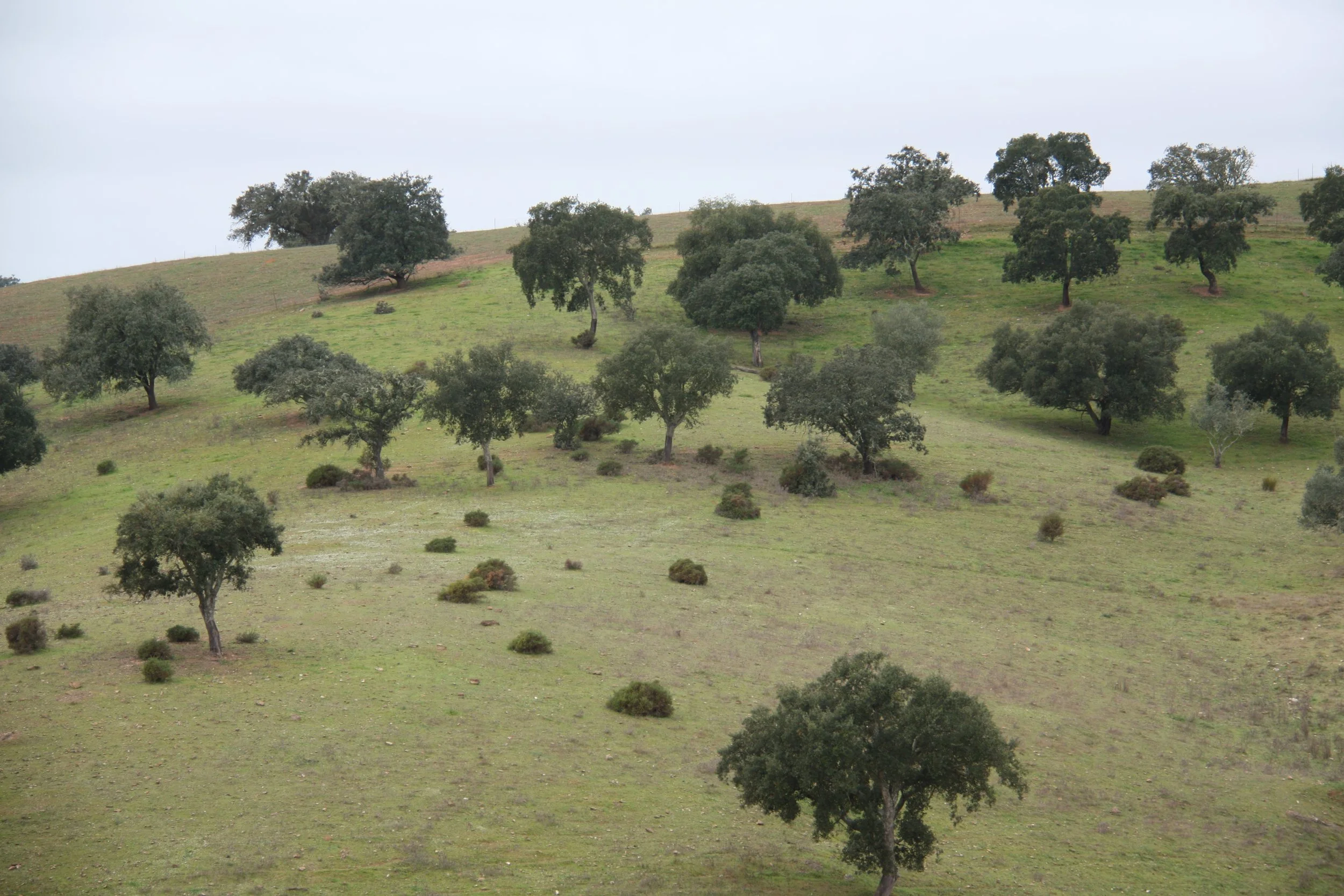
Montado Agrosilvopastoral System of the Serpa Hills, Portugal
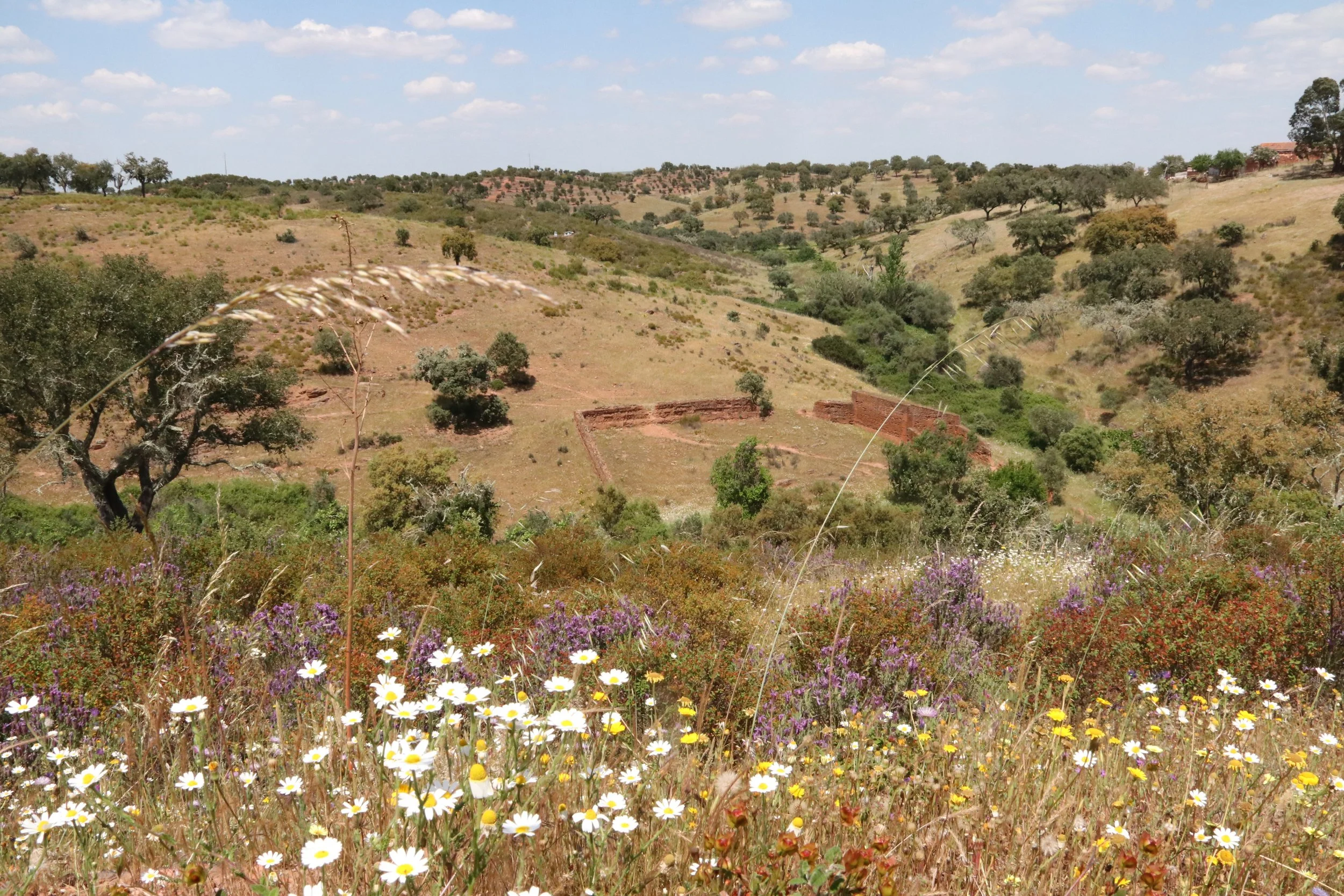
The Montado Agrosilvopastoral System of the Serpa Hills has been officially recognized by the Food and Agriculture Organization of the United Nations (FAO) as a Globally Important Agricultural Heritage System (GIAHS).
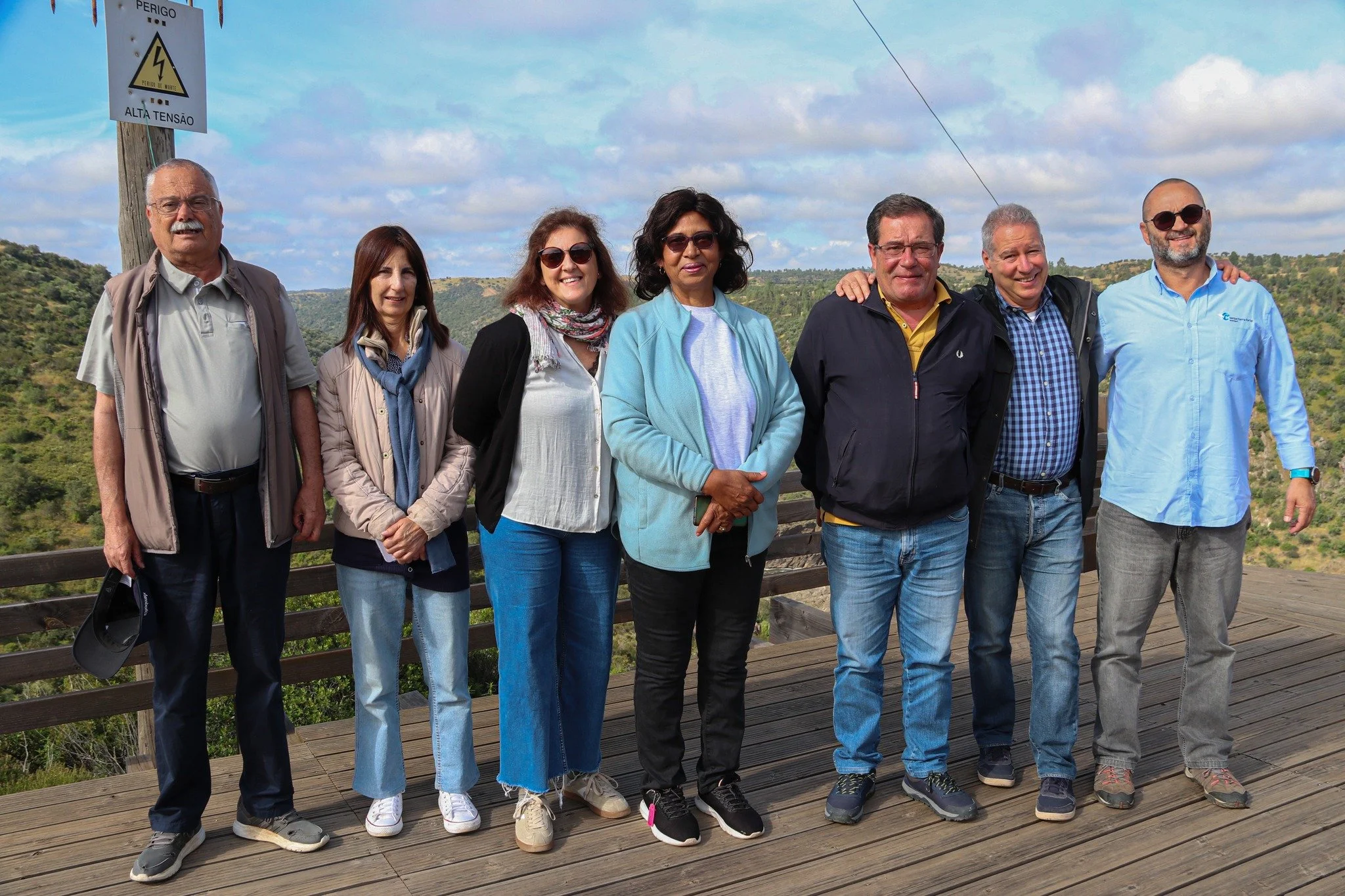
This recognition stems from an application promoted by Rota do Guadiana in partnership with the Serpa Municipal Council and INIAV, IP, also counting on the important collaboration of the Planning, Policy and General Administration Office (GPP).
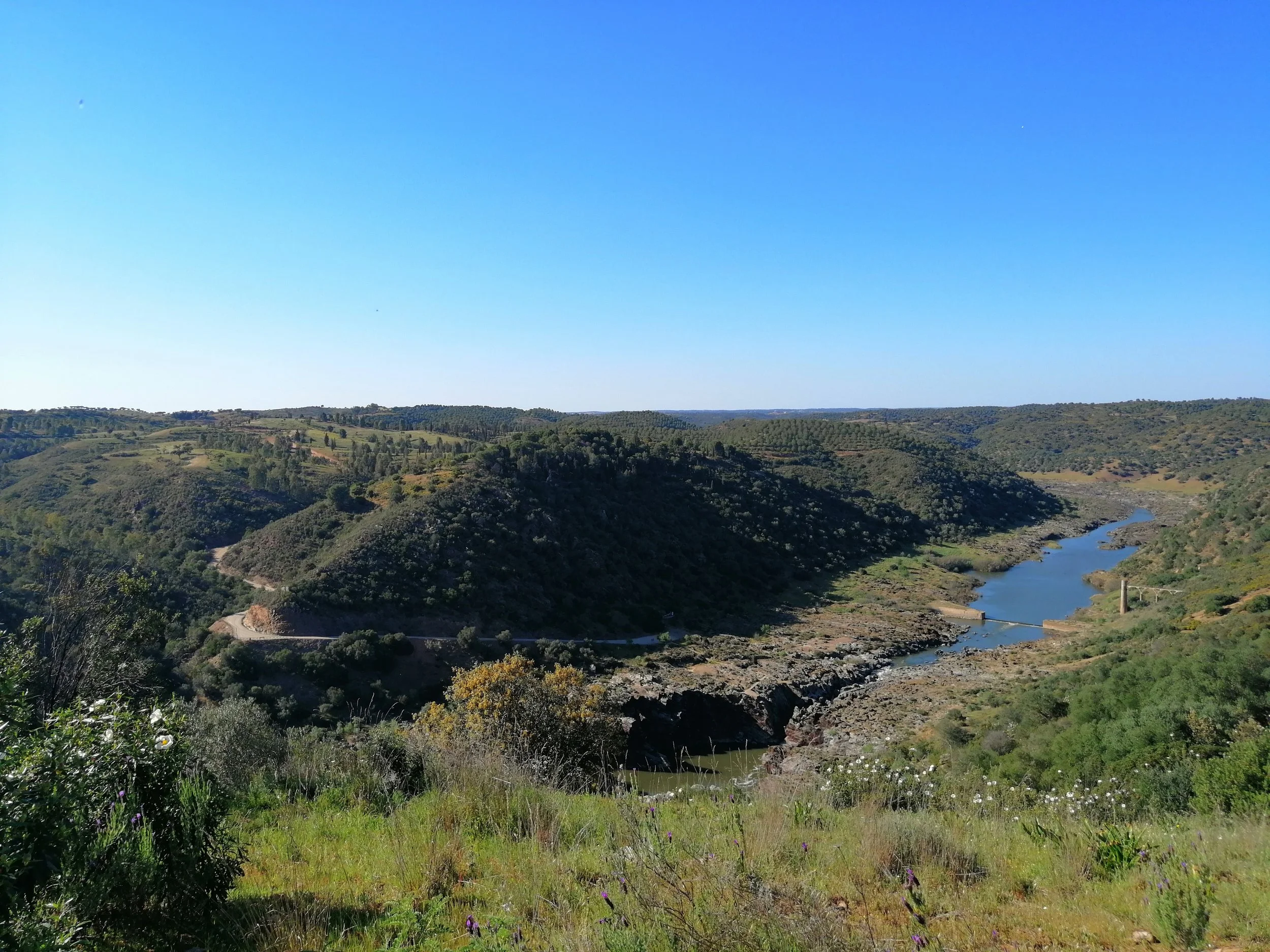
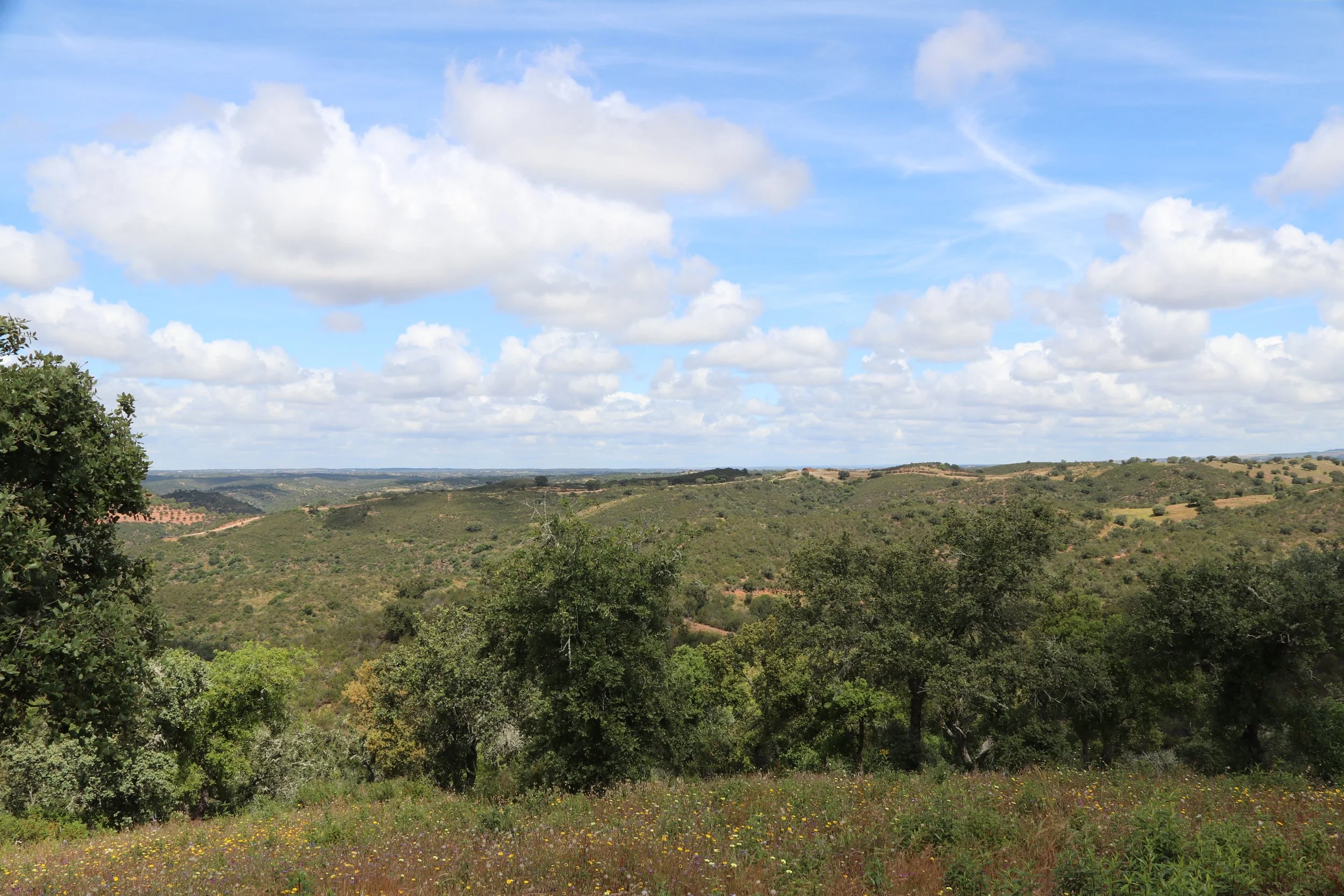
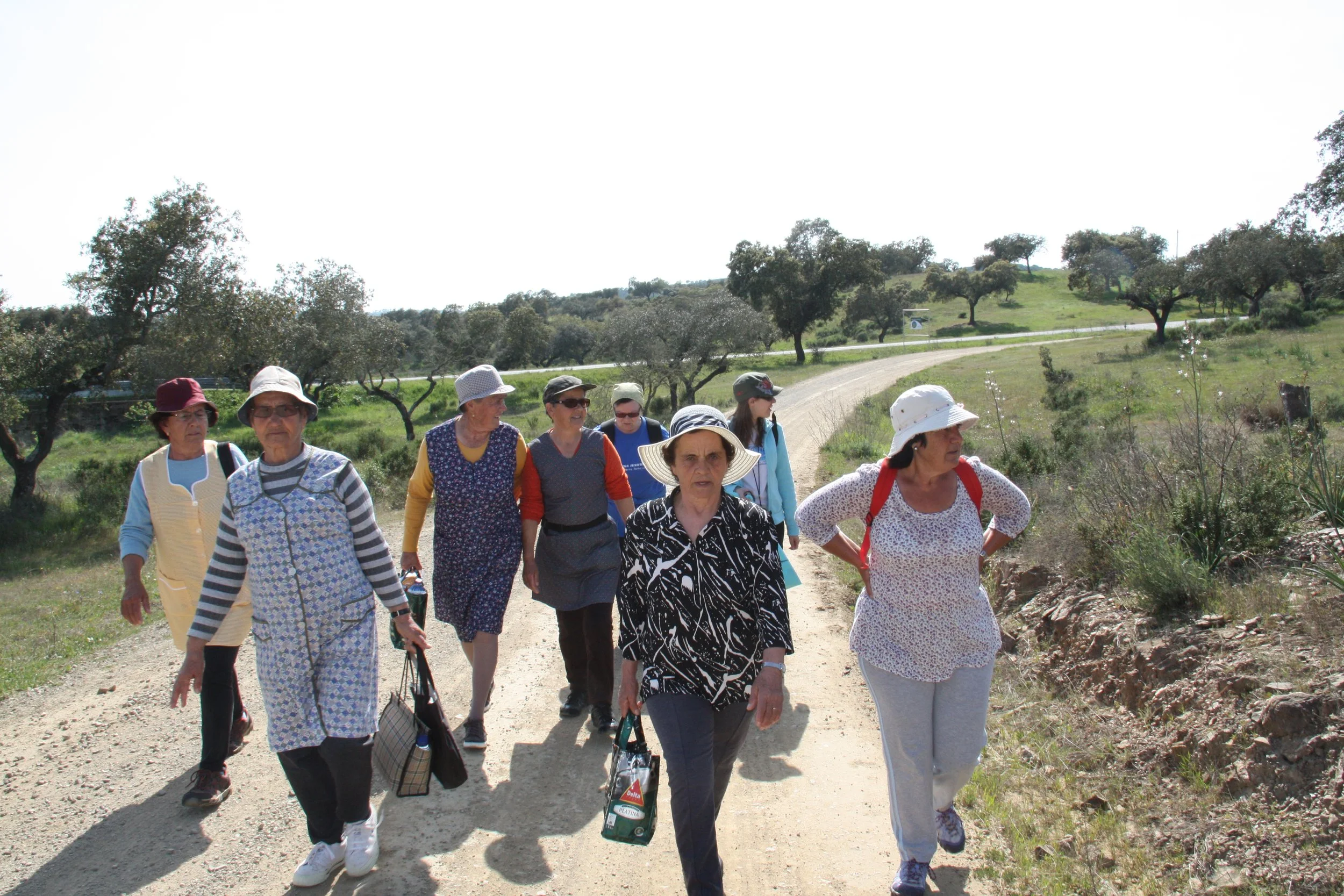
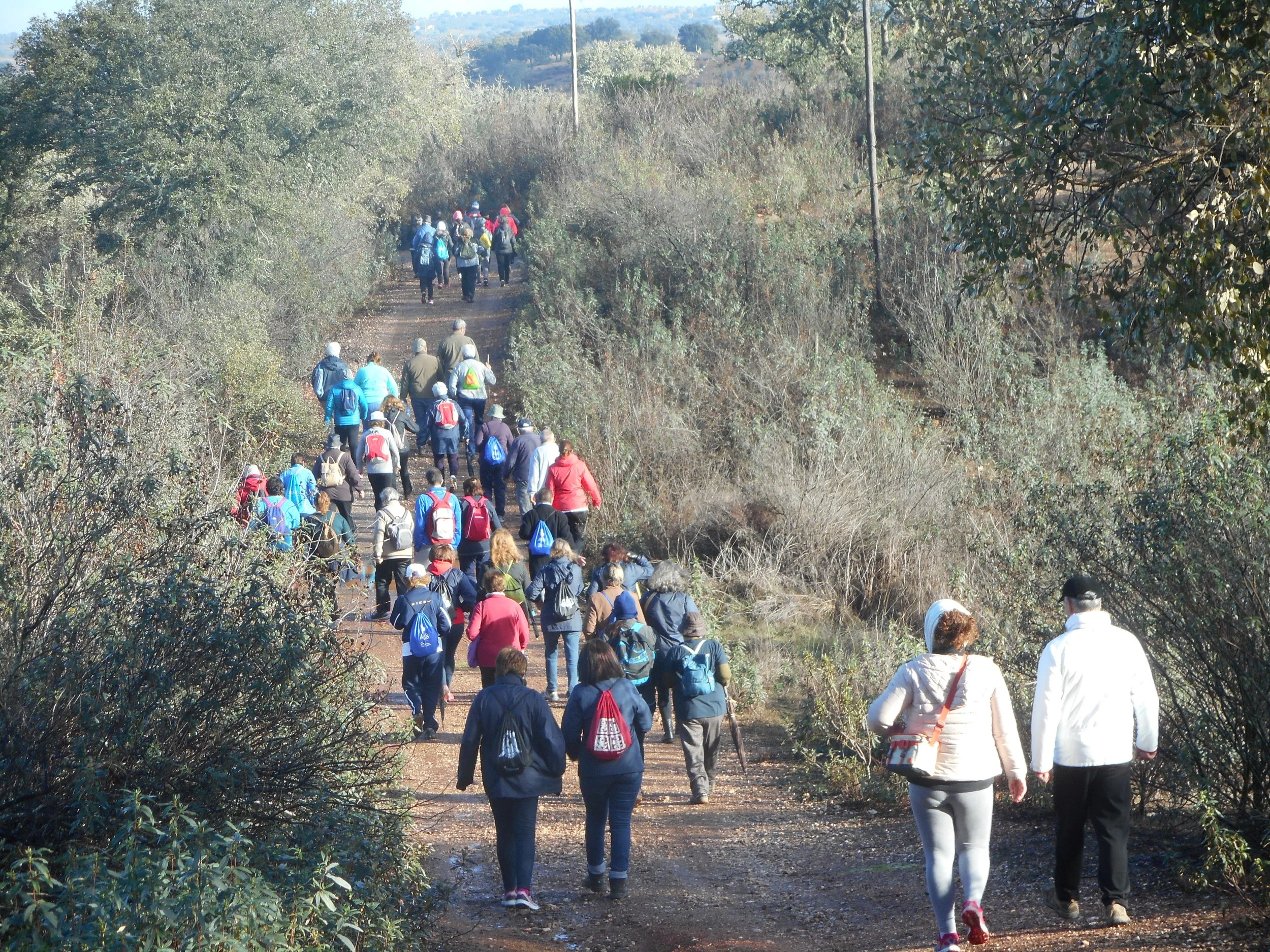
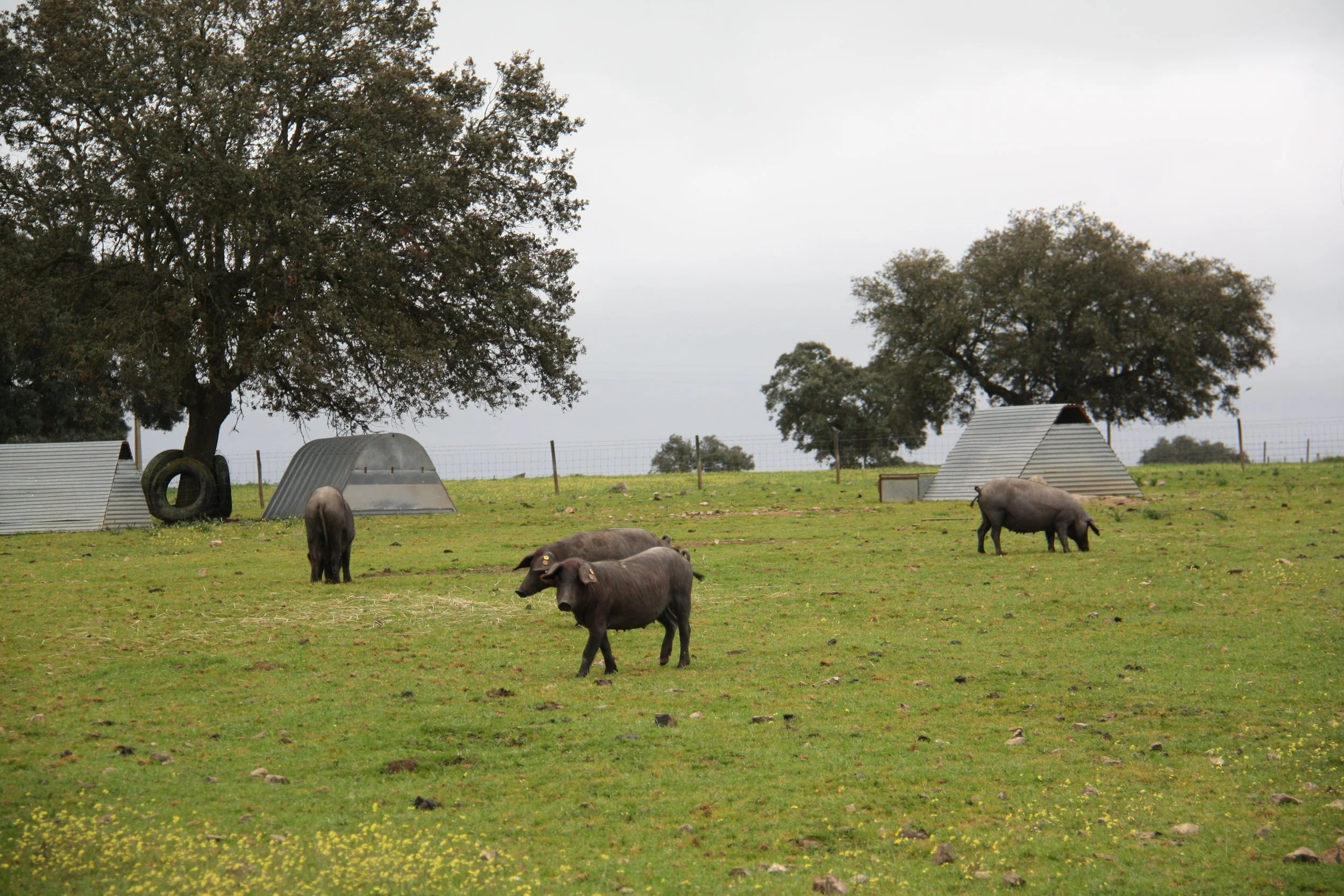
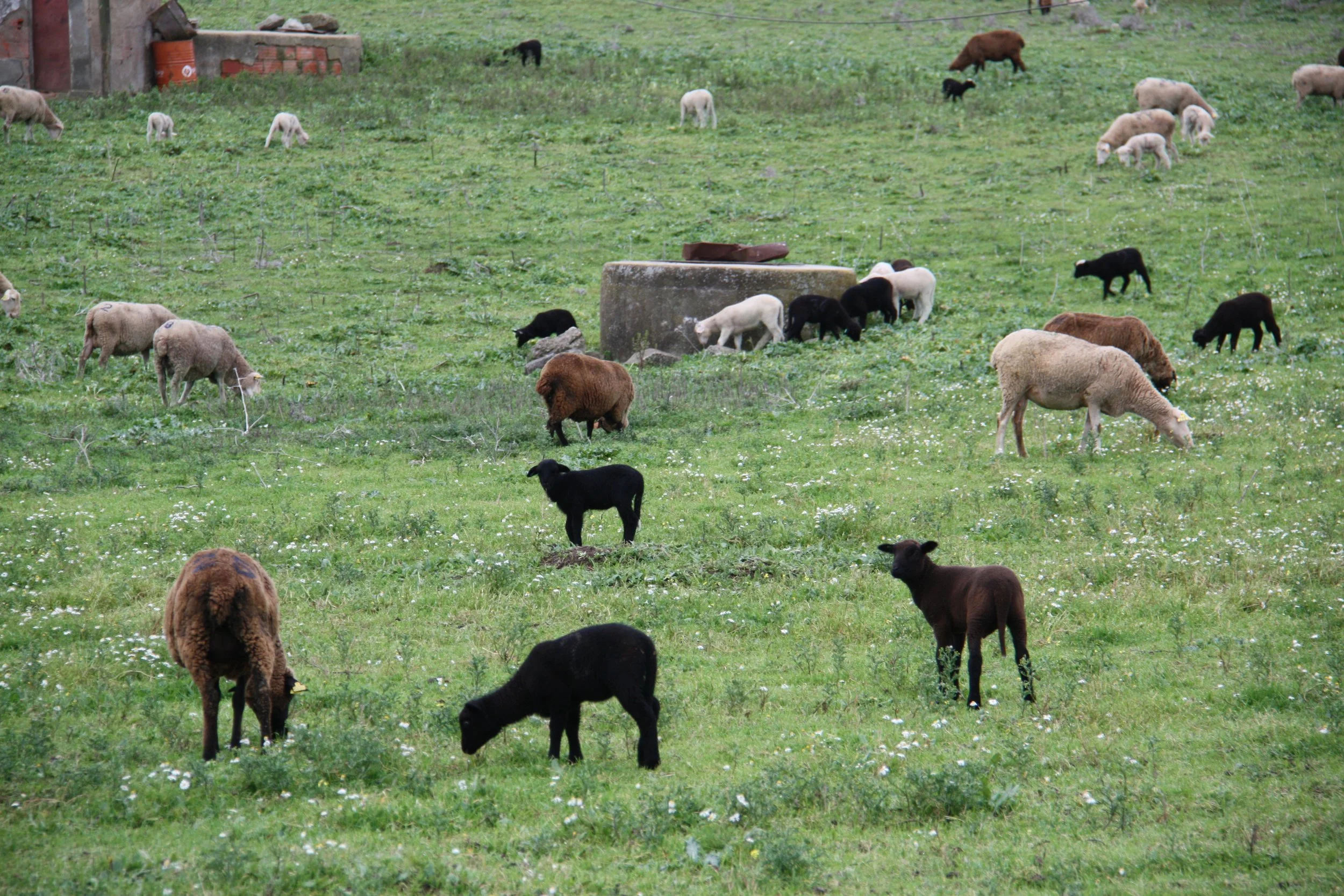
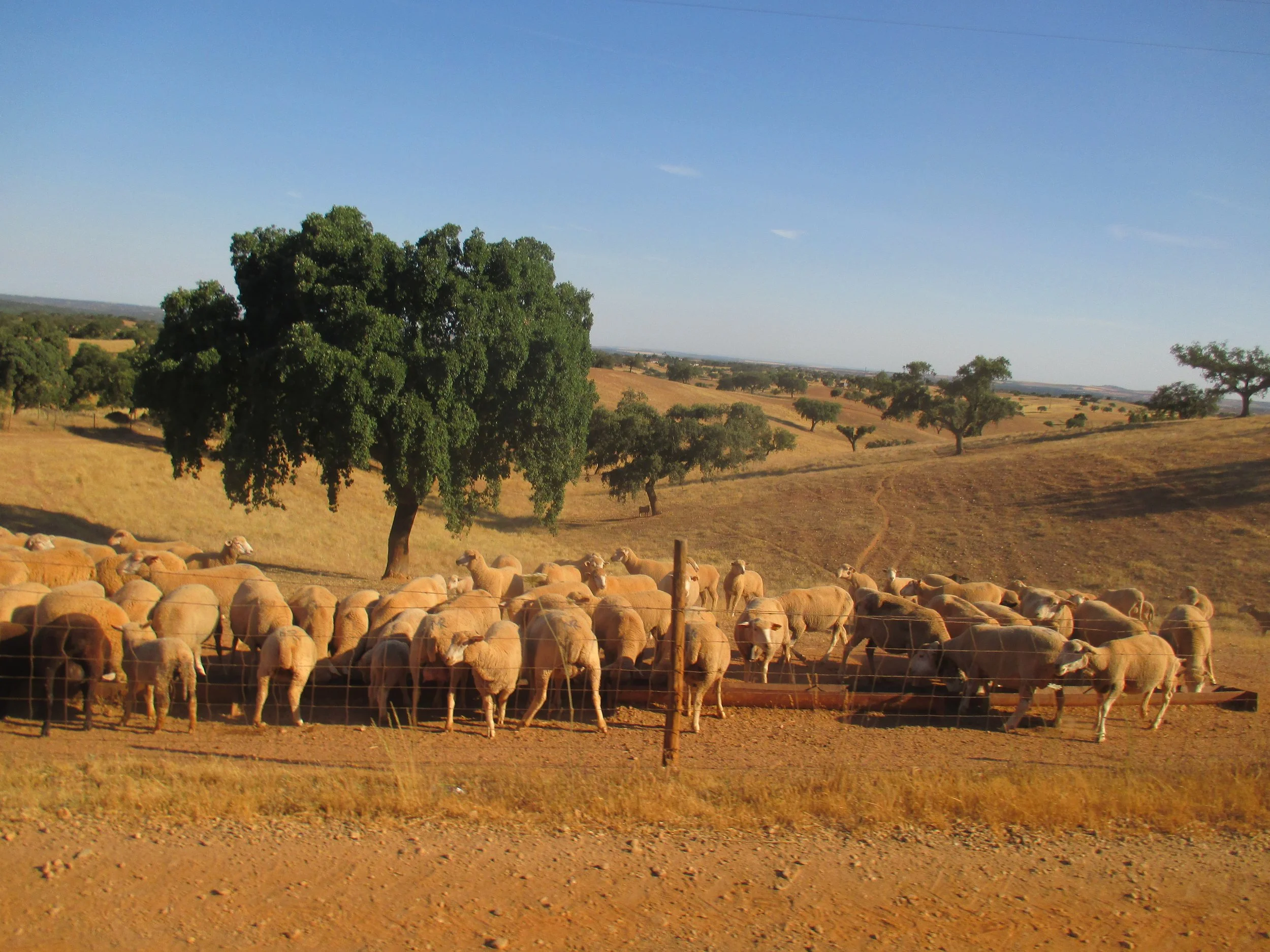
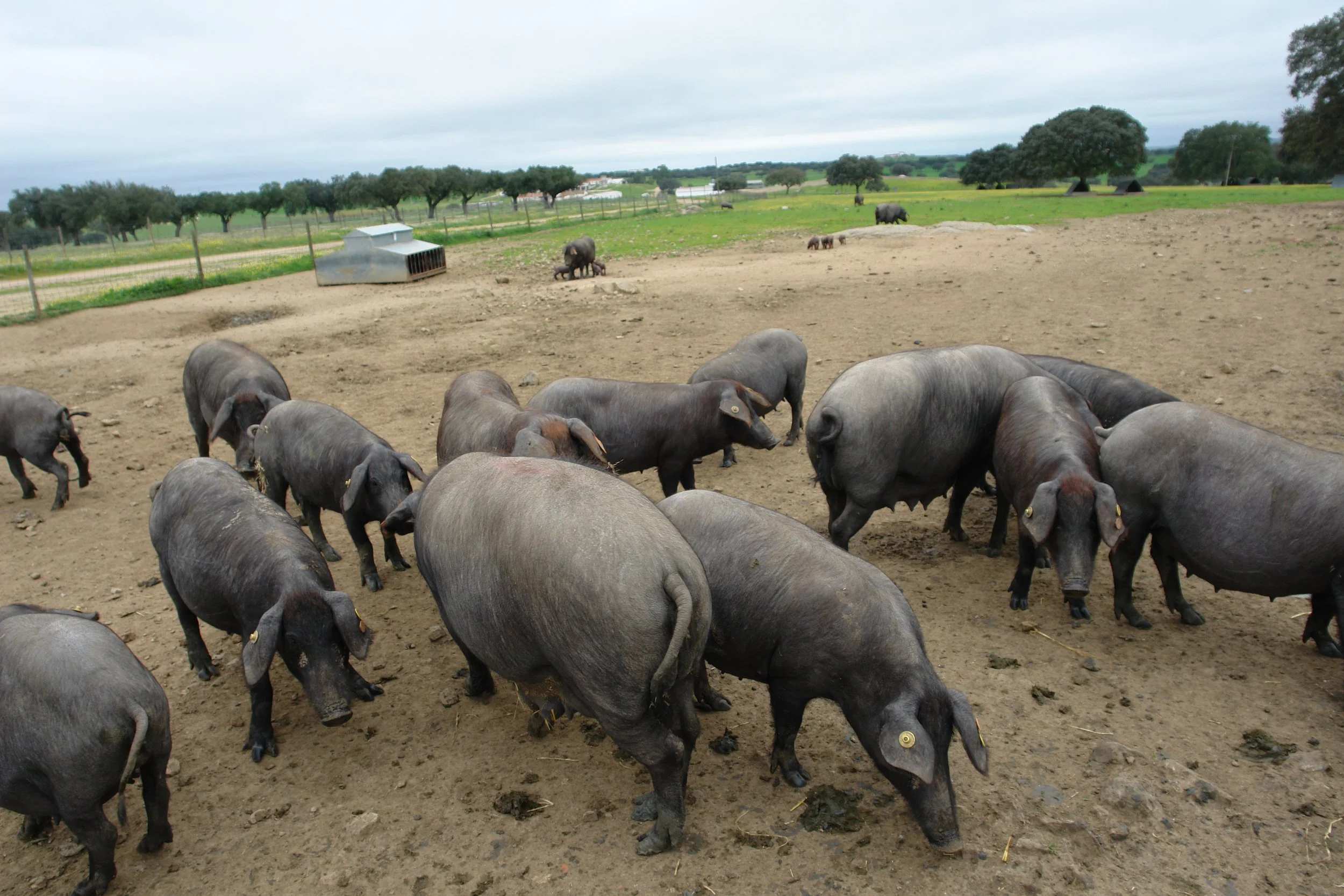
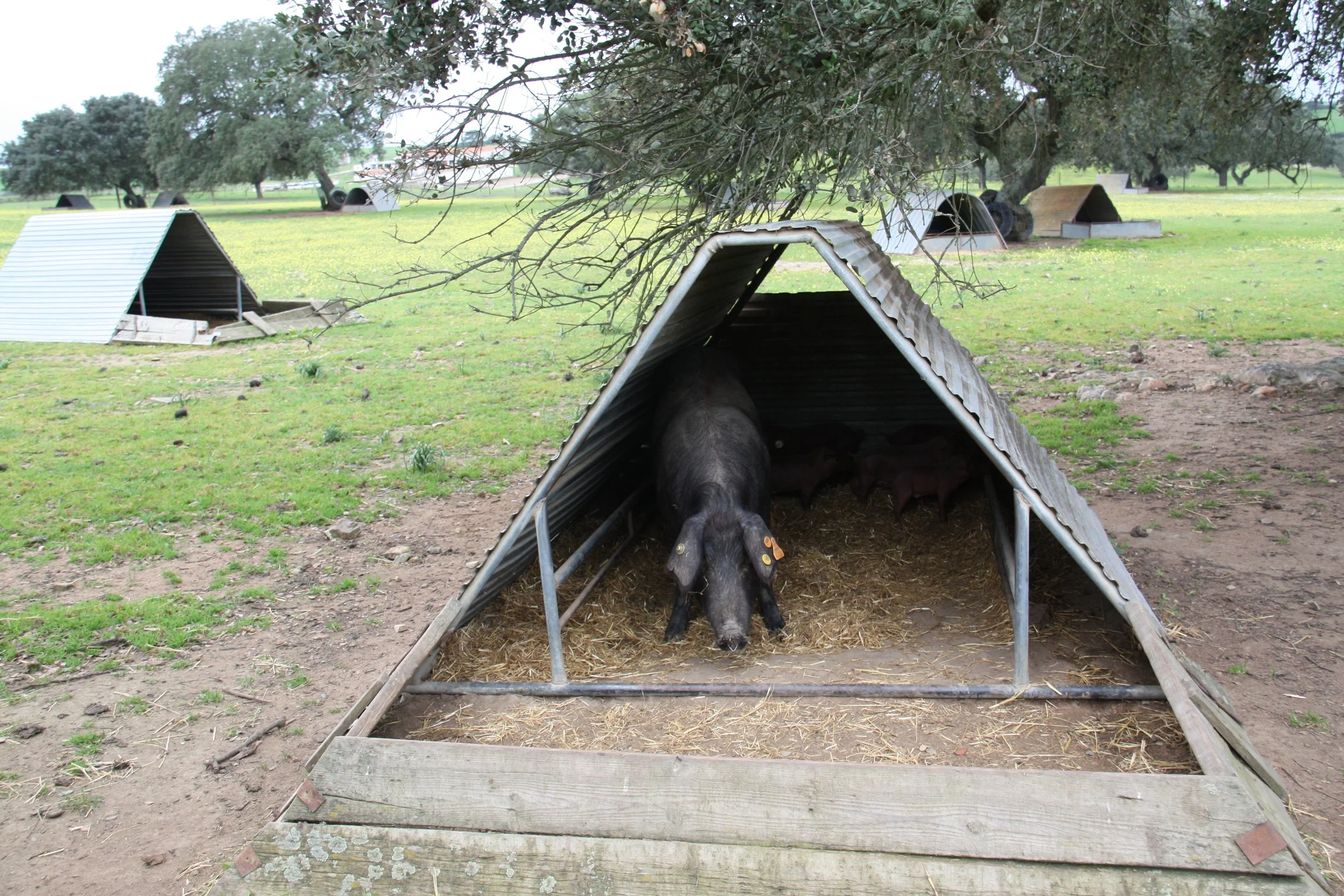
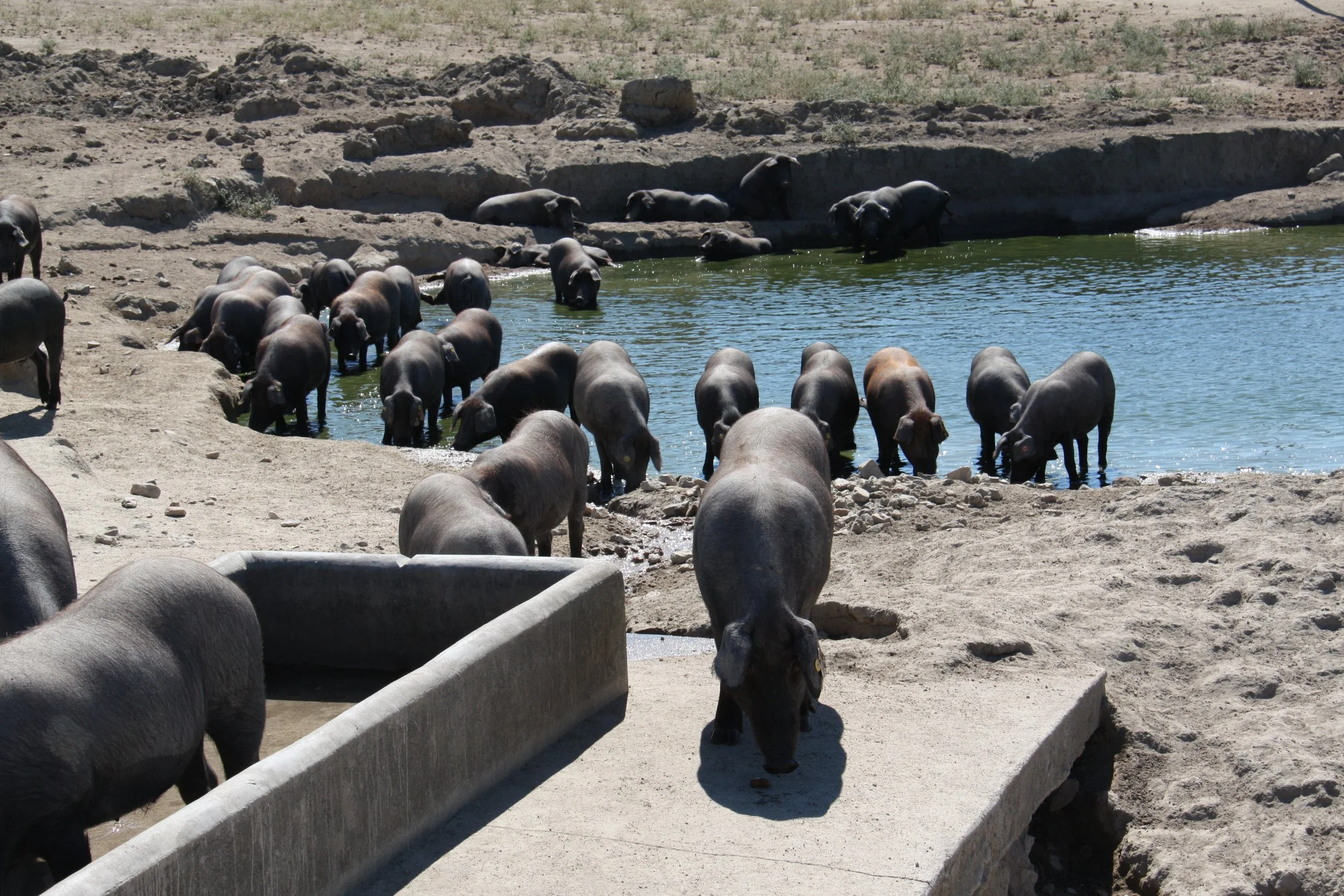
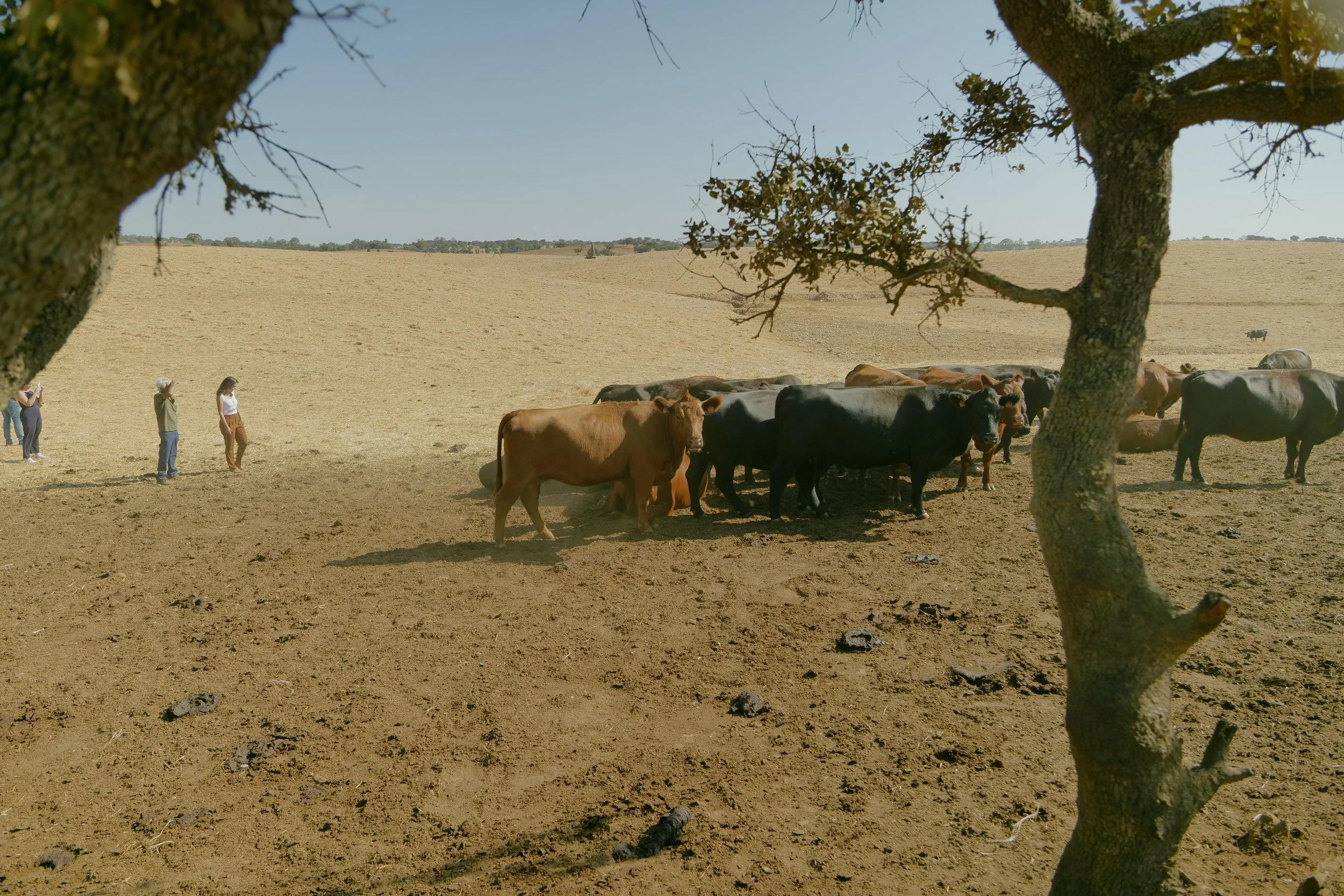
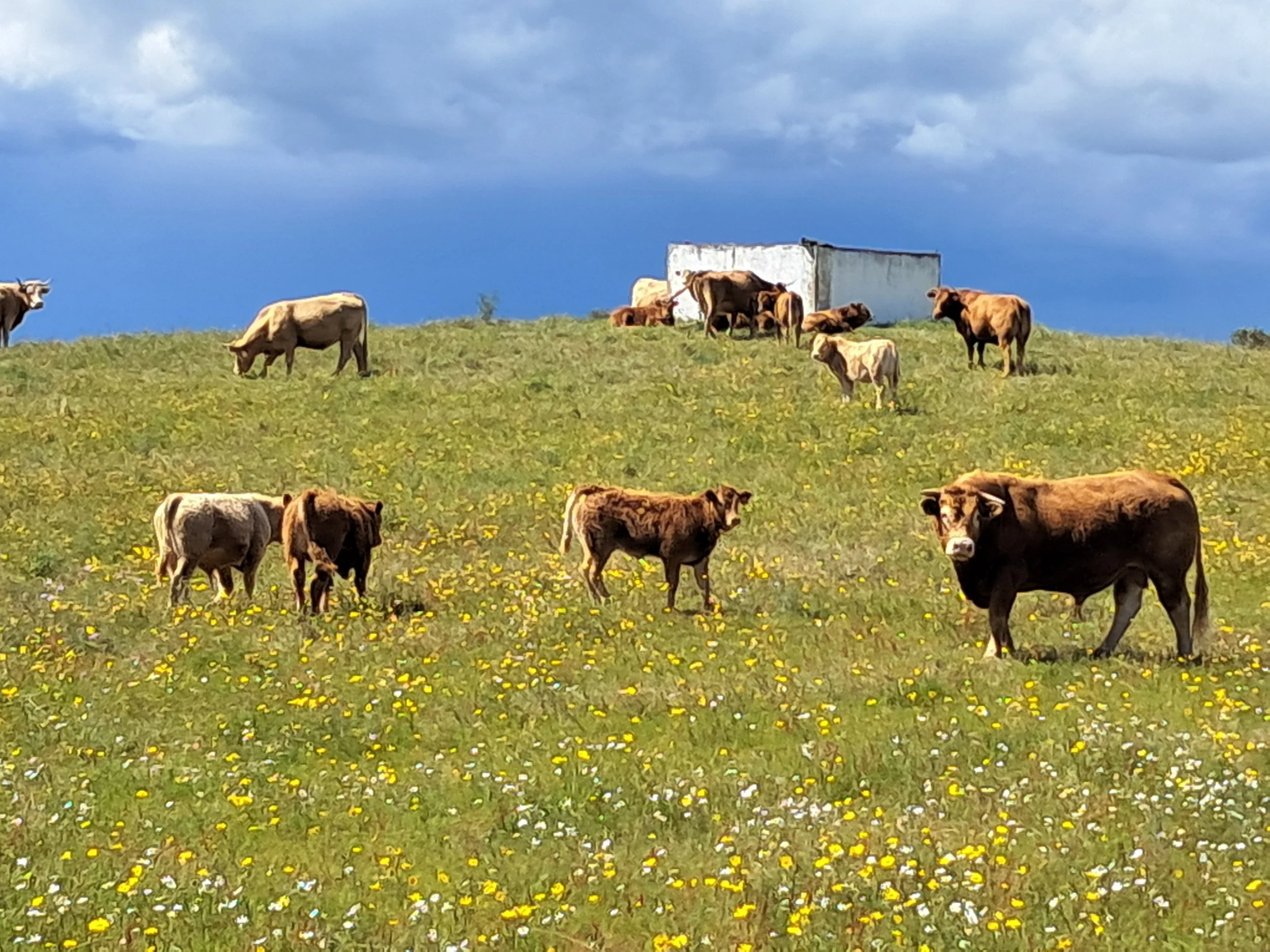
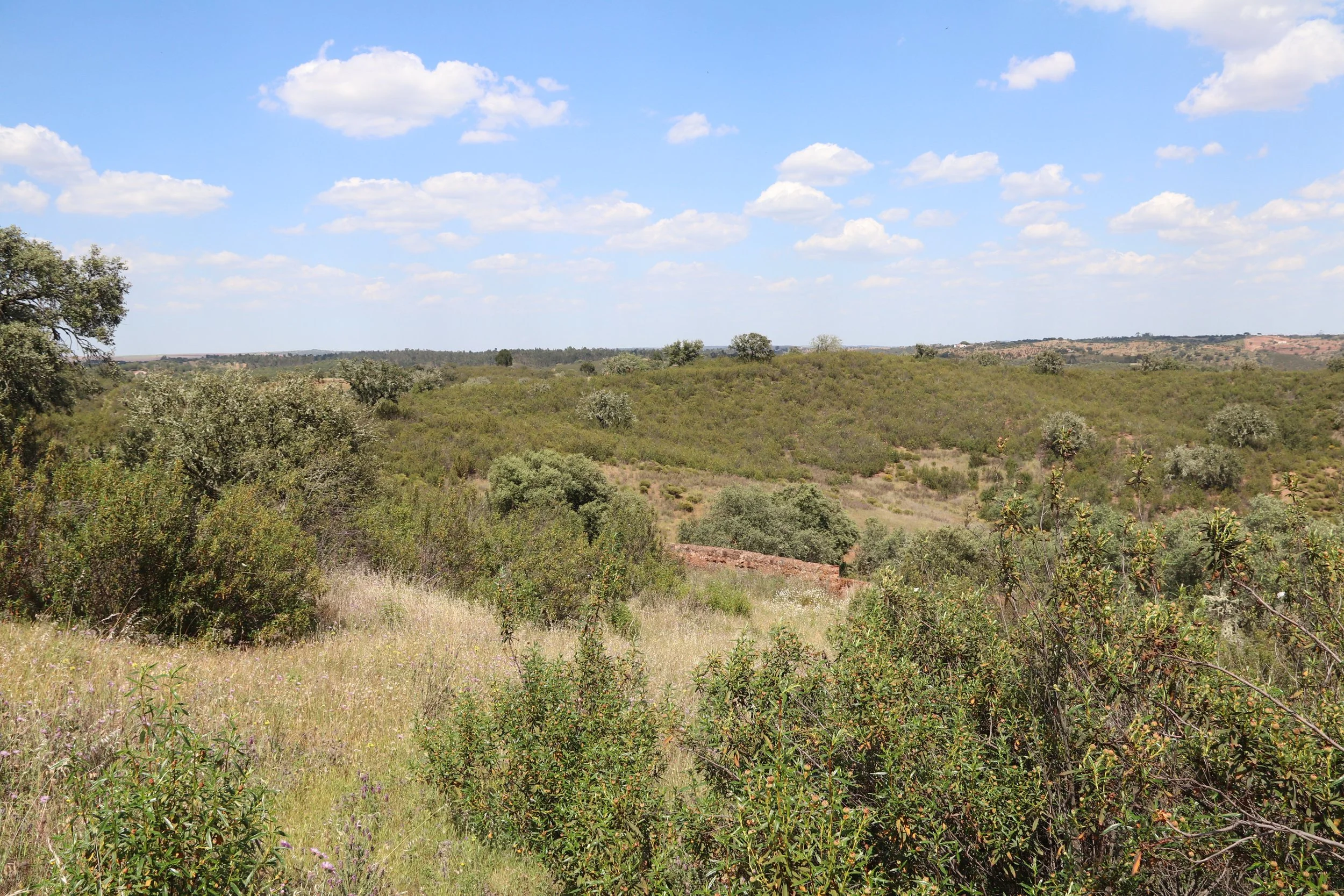
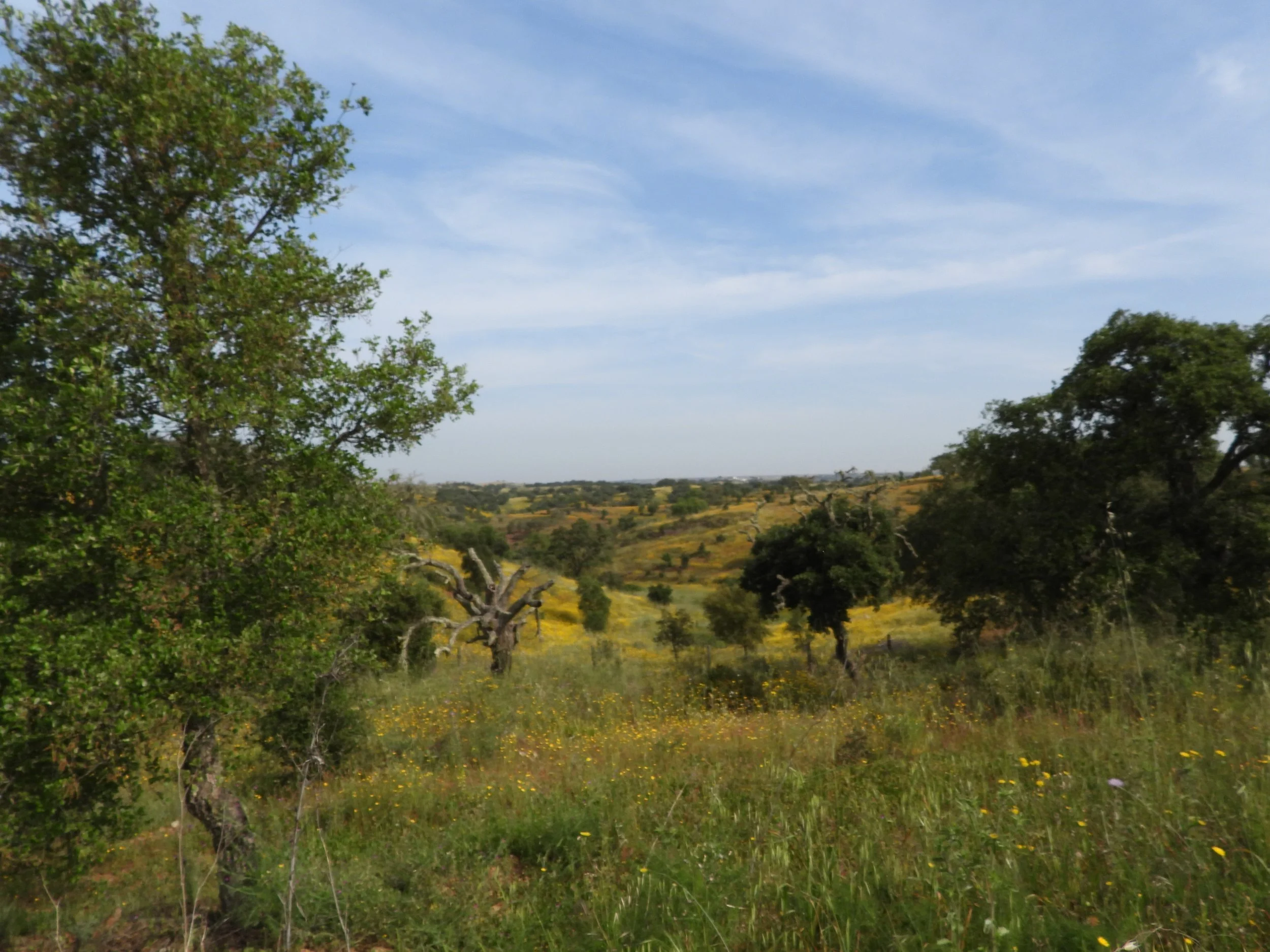
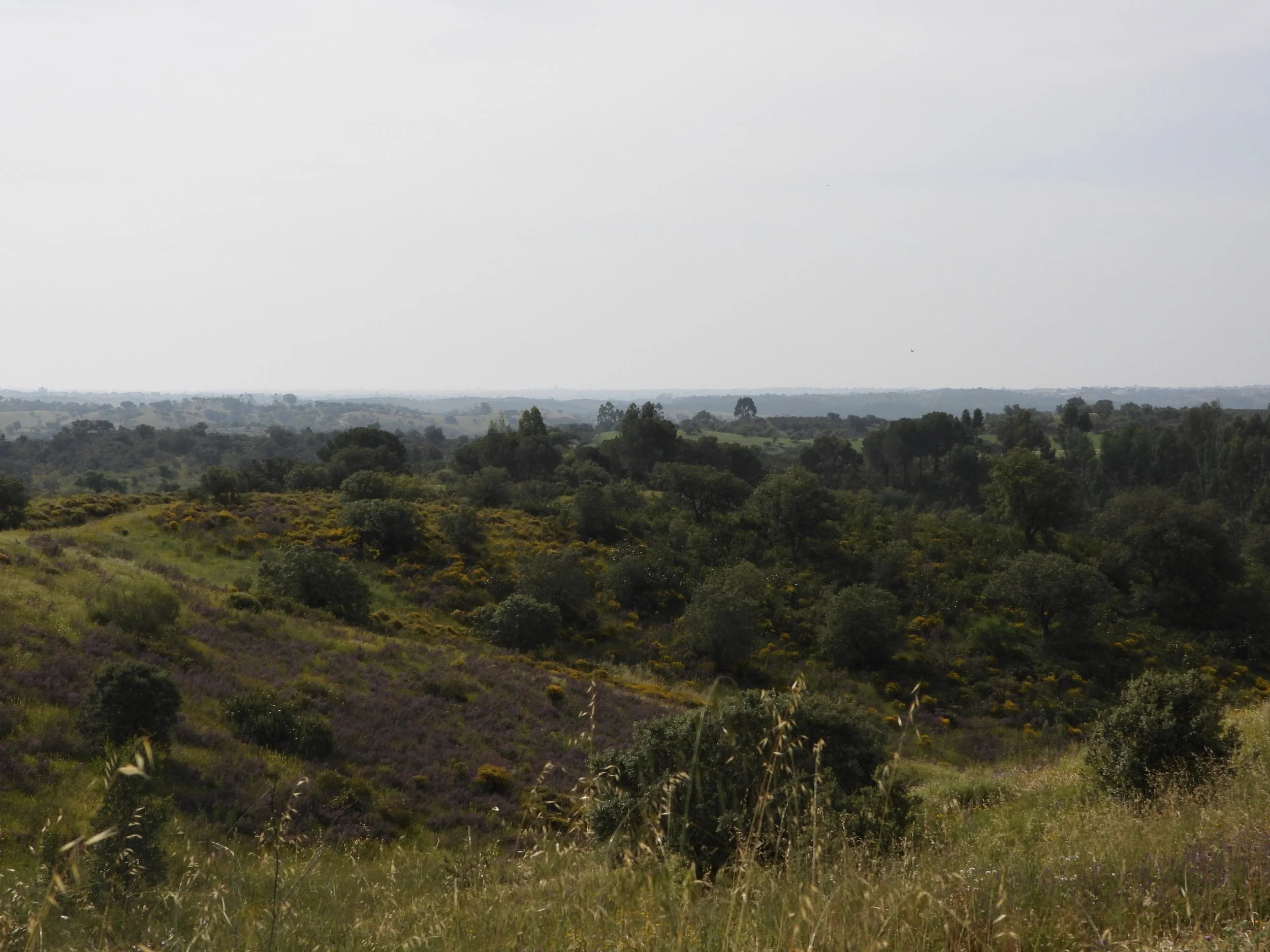
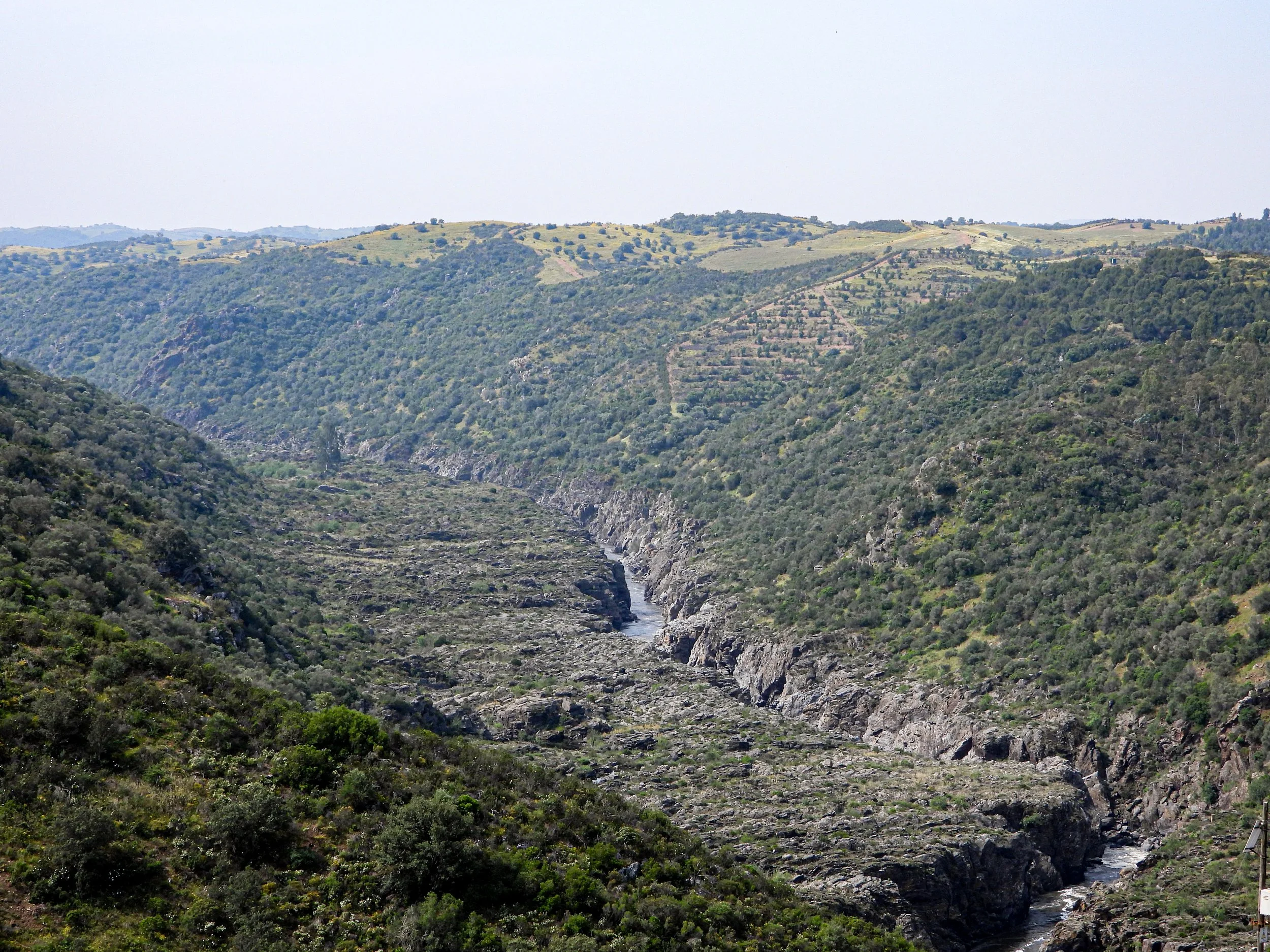
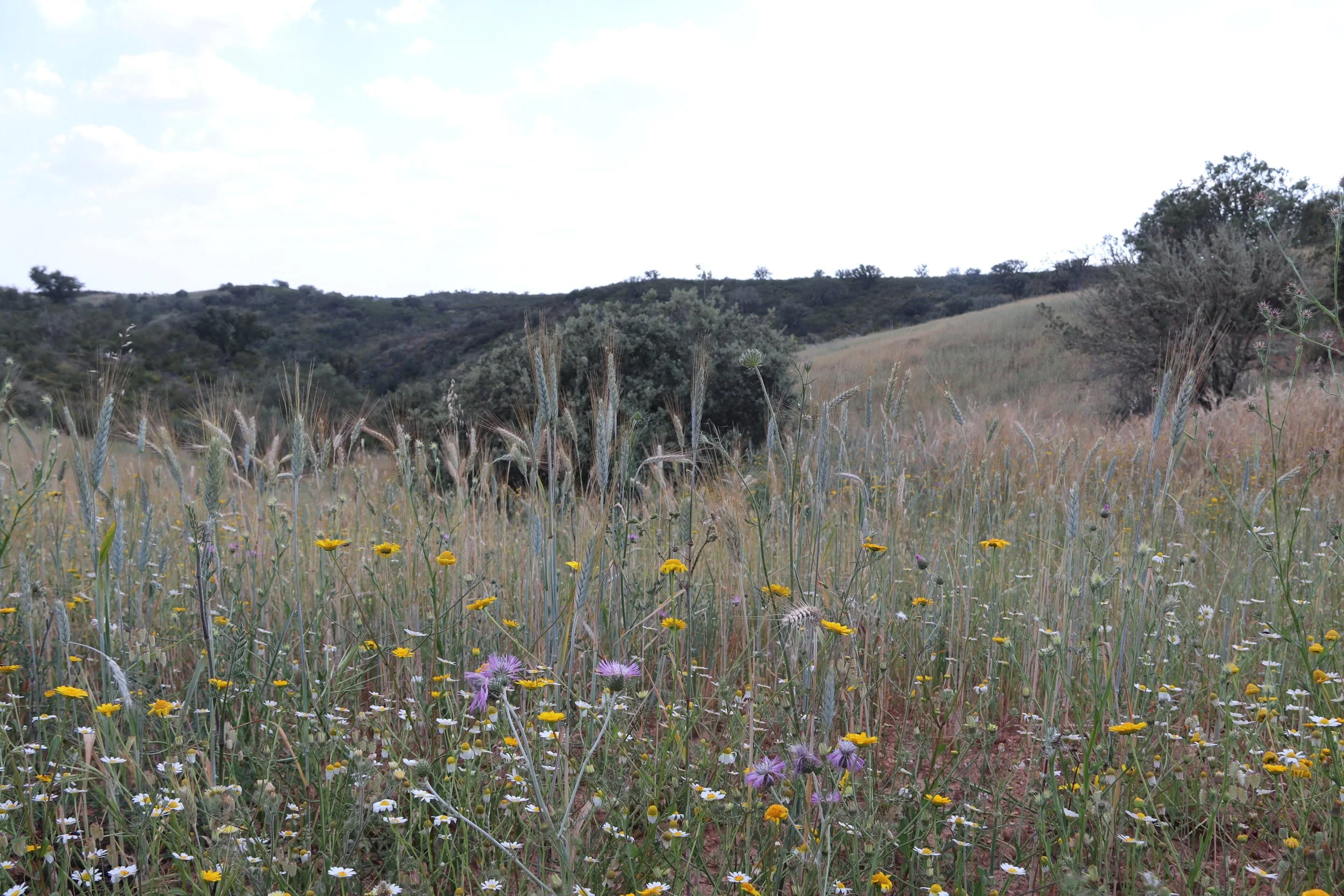
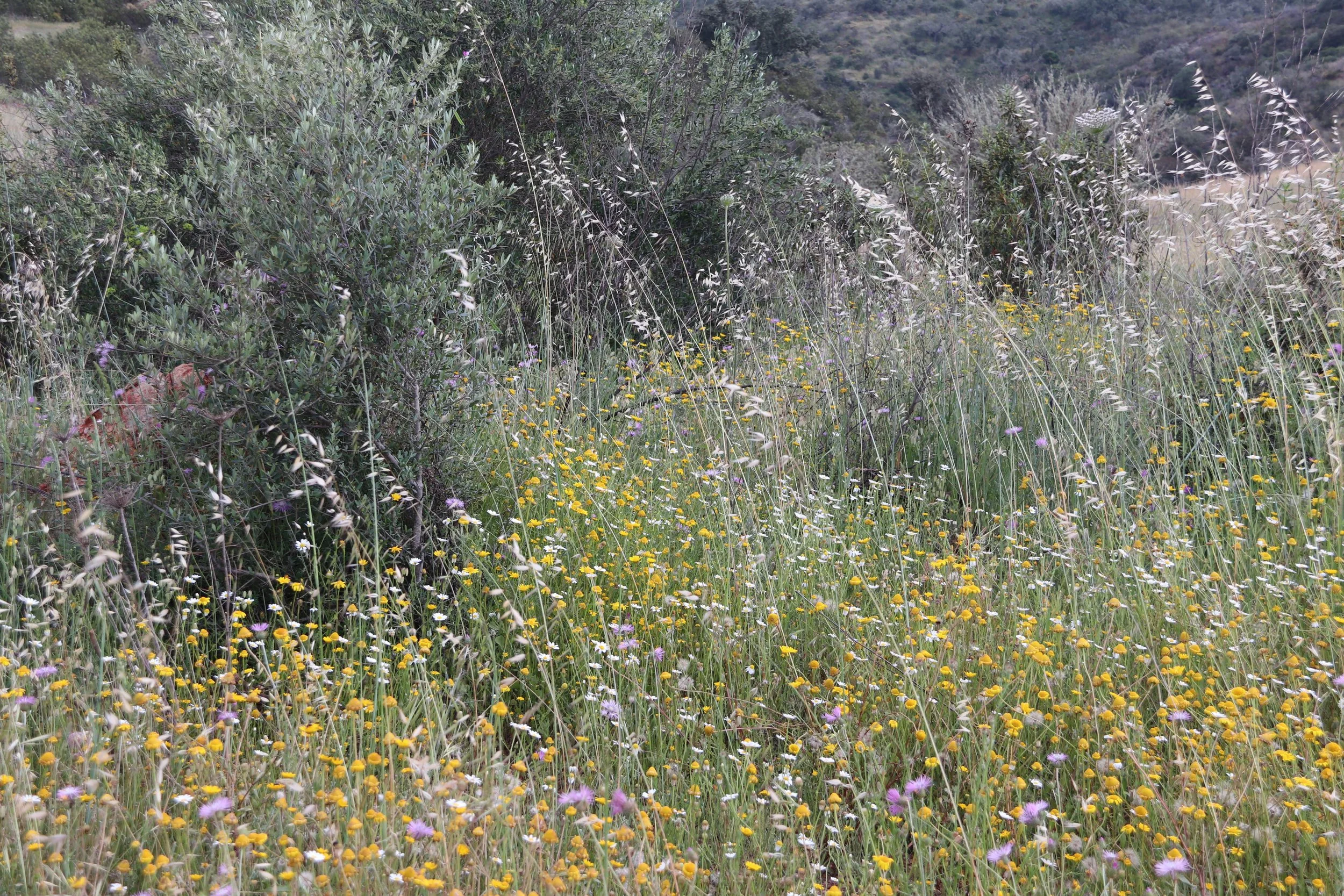
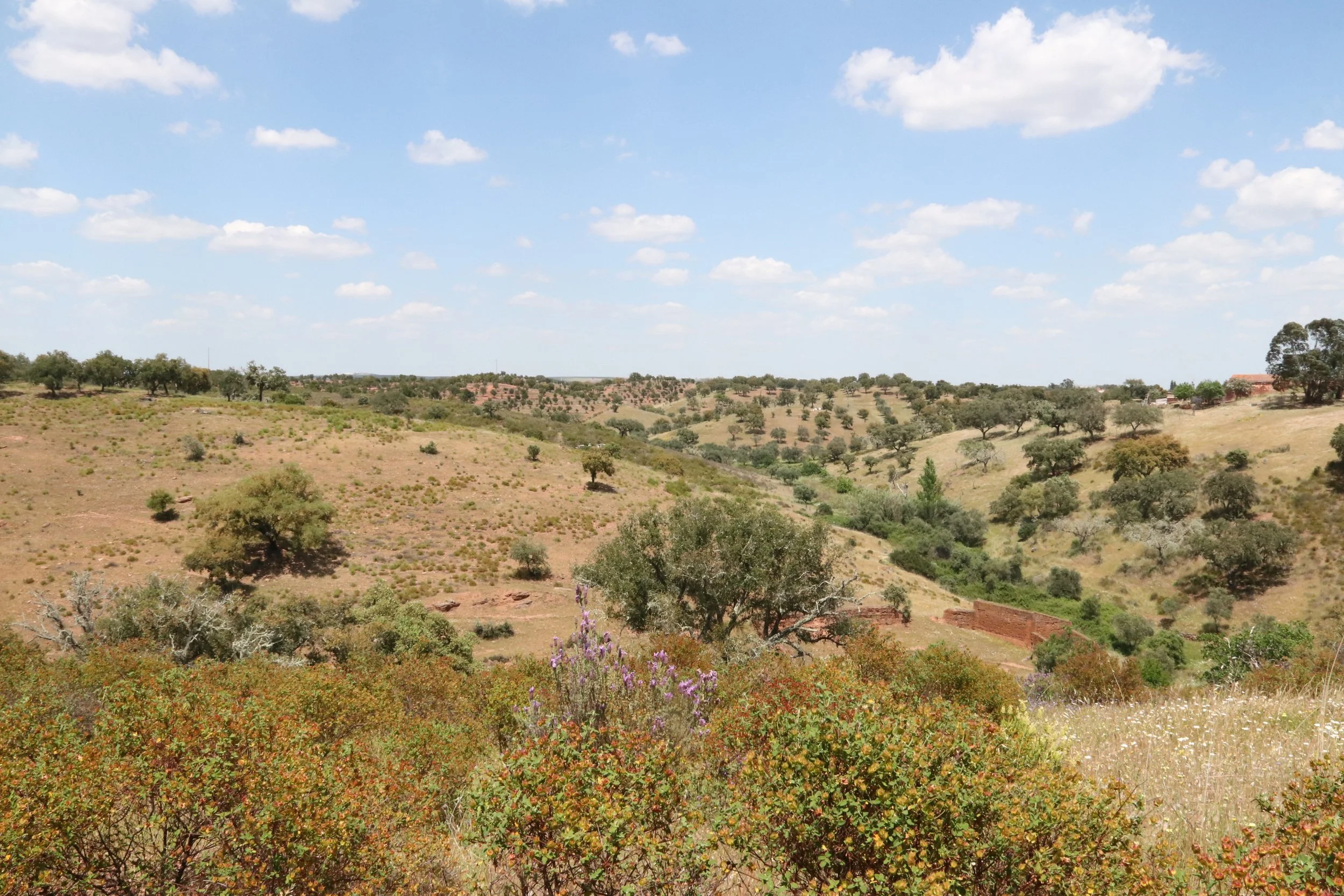
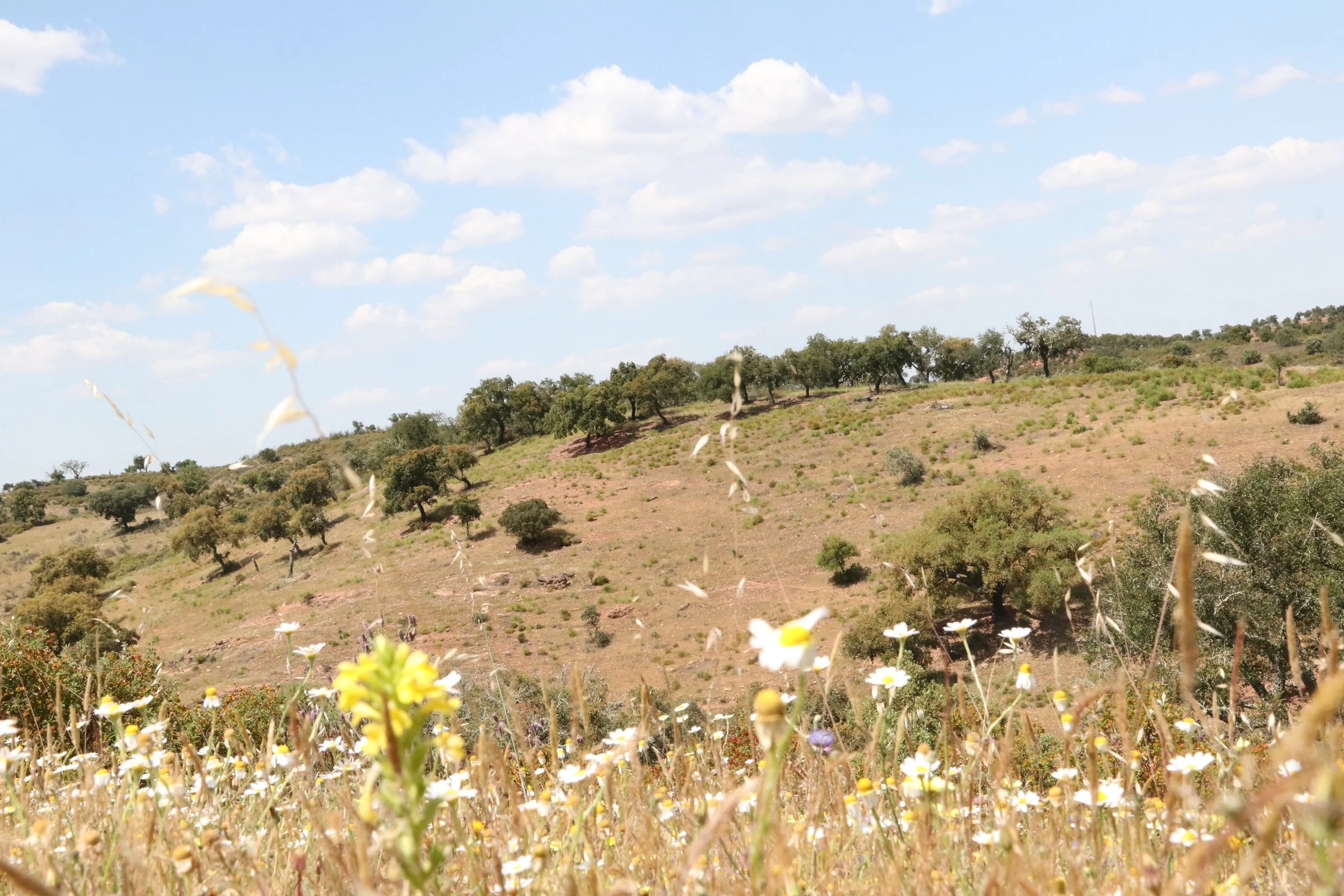
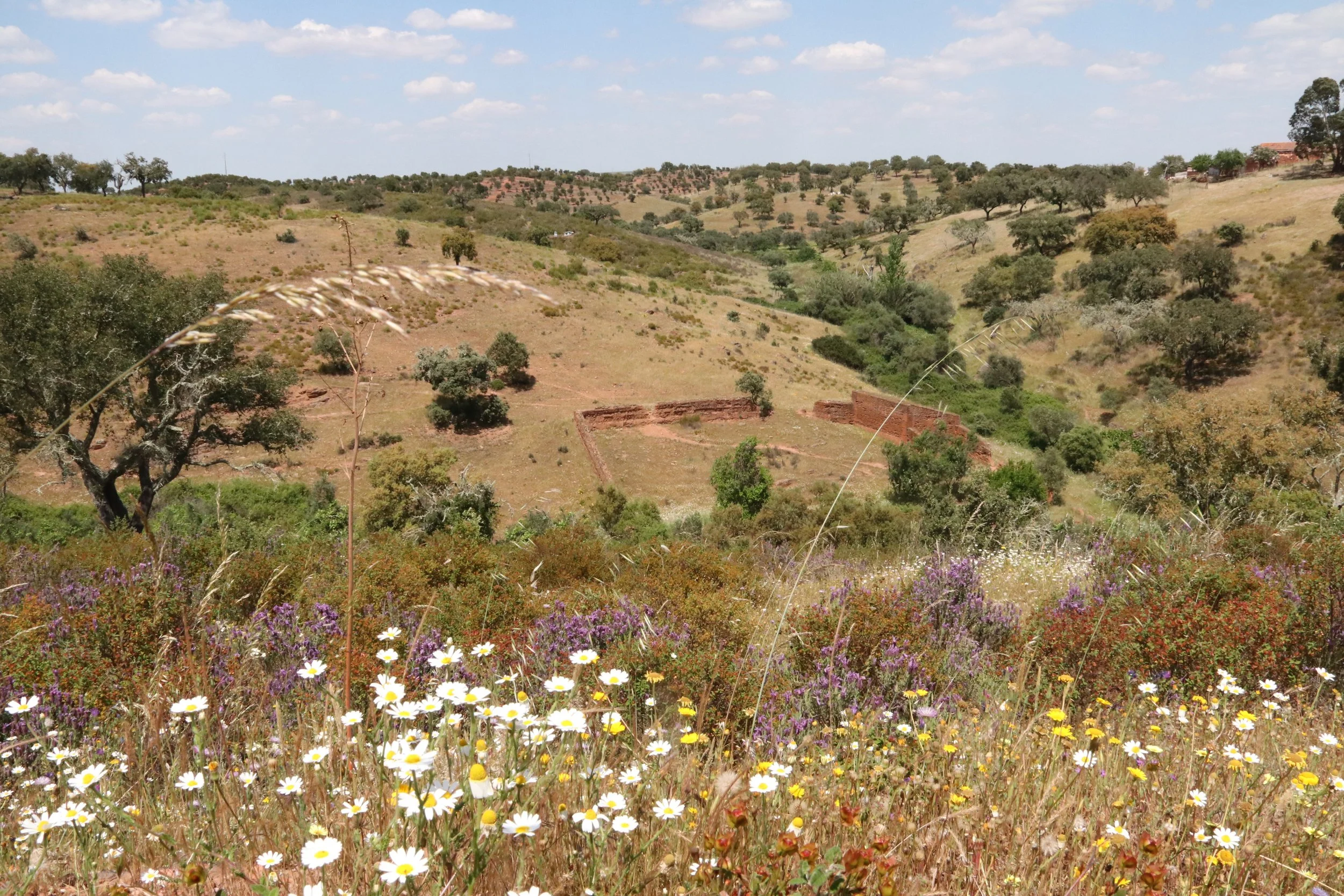
The recognized geographical area, located in the municipality of Serpa, has an area of 621.5 km² and a resident population of 7,346 inhabitants, being an example of traditional Mediterranean dryland farming whose resilience and sustainability are demonstrable.
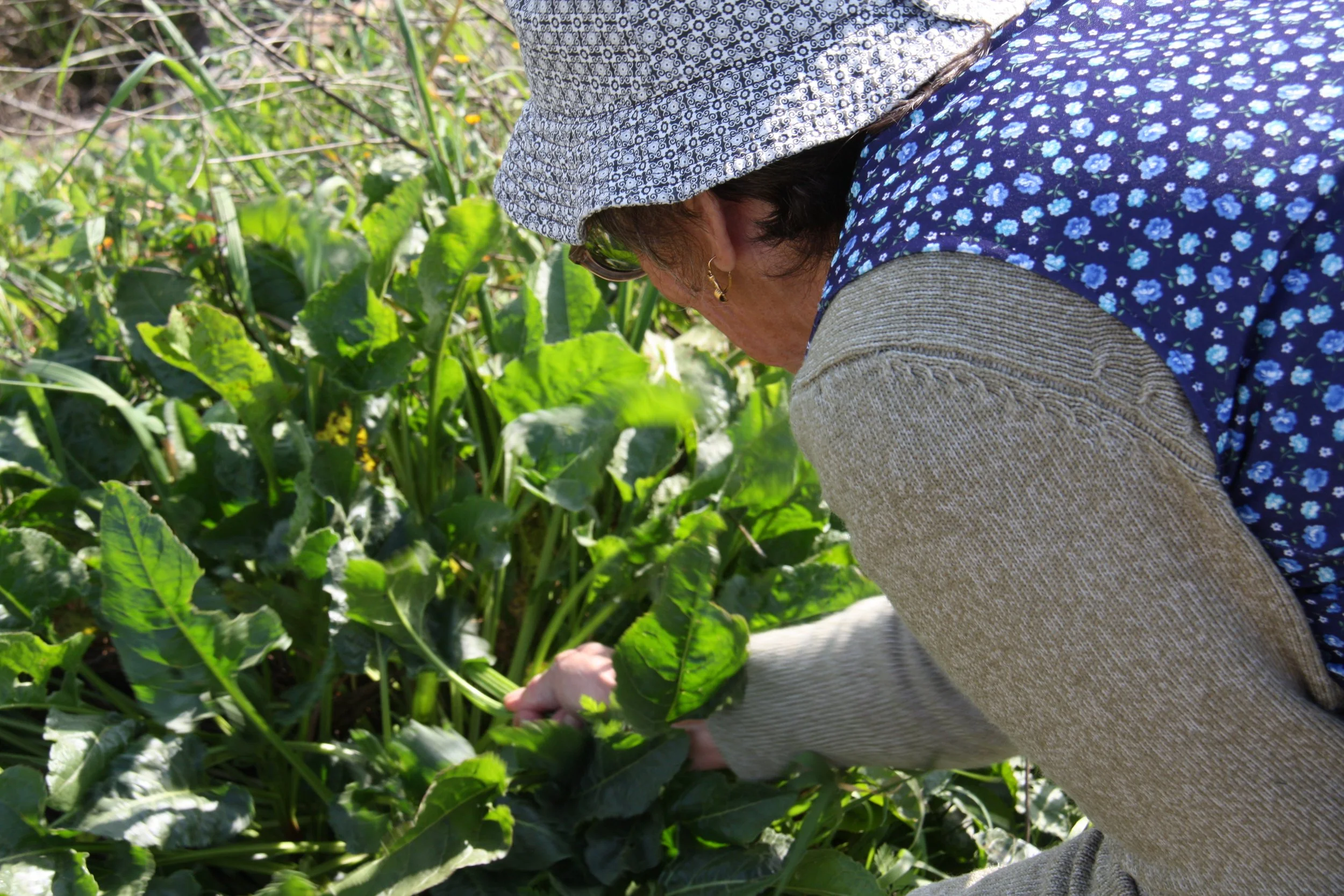
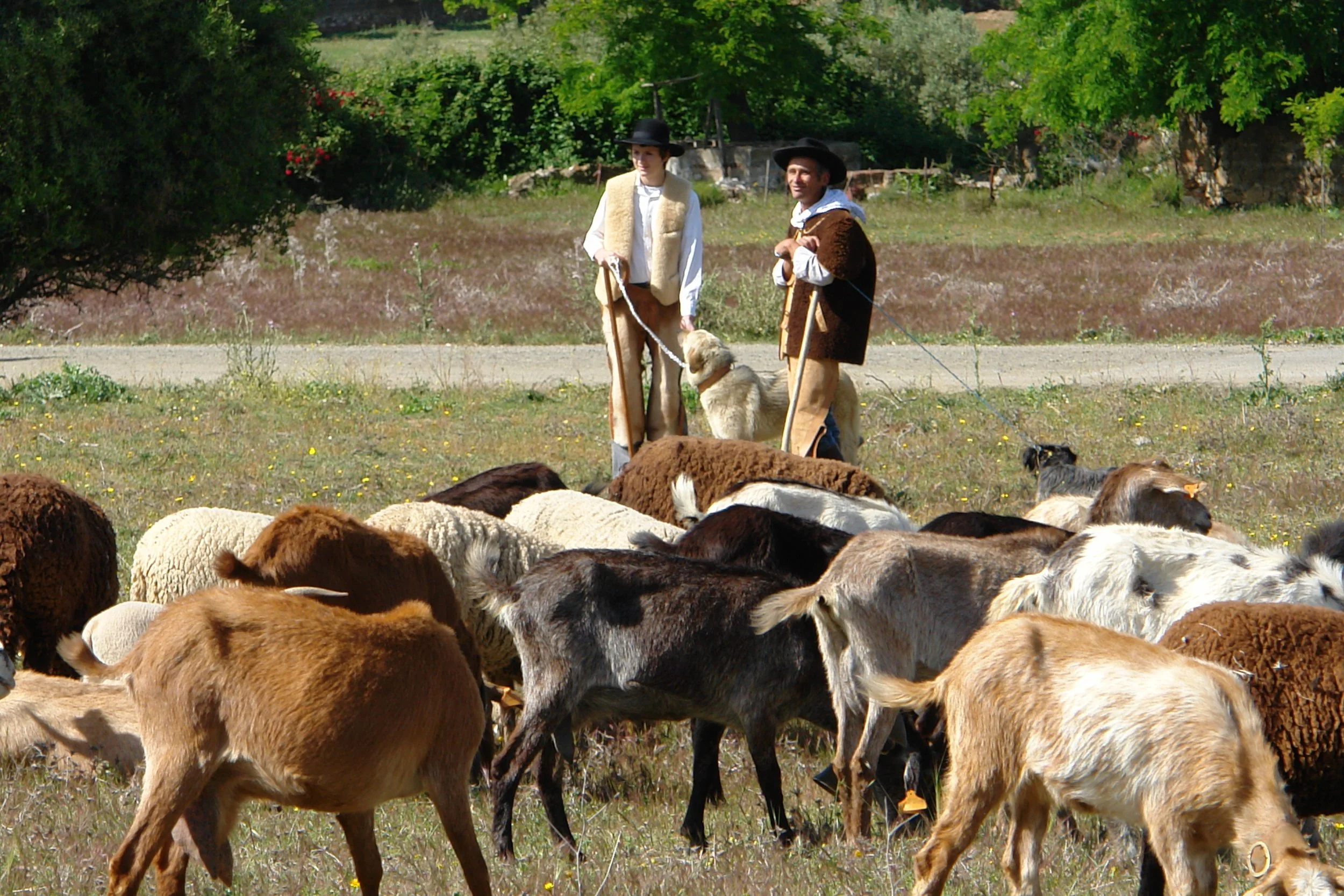
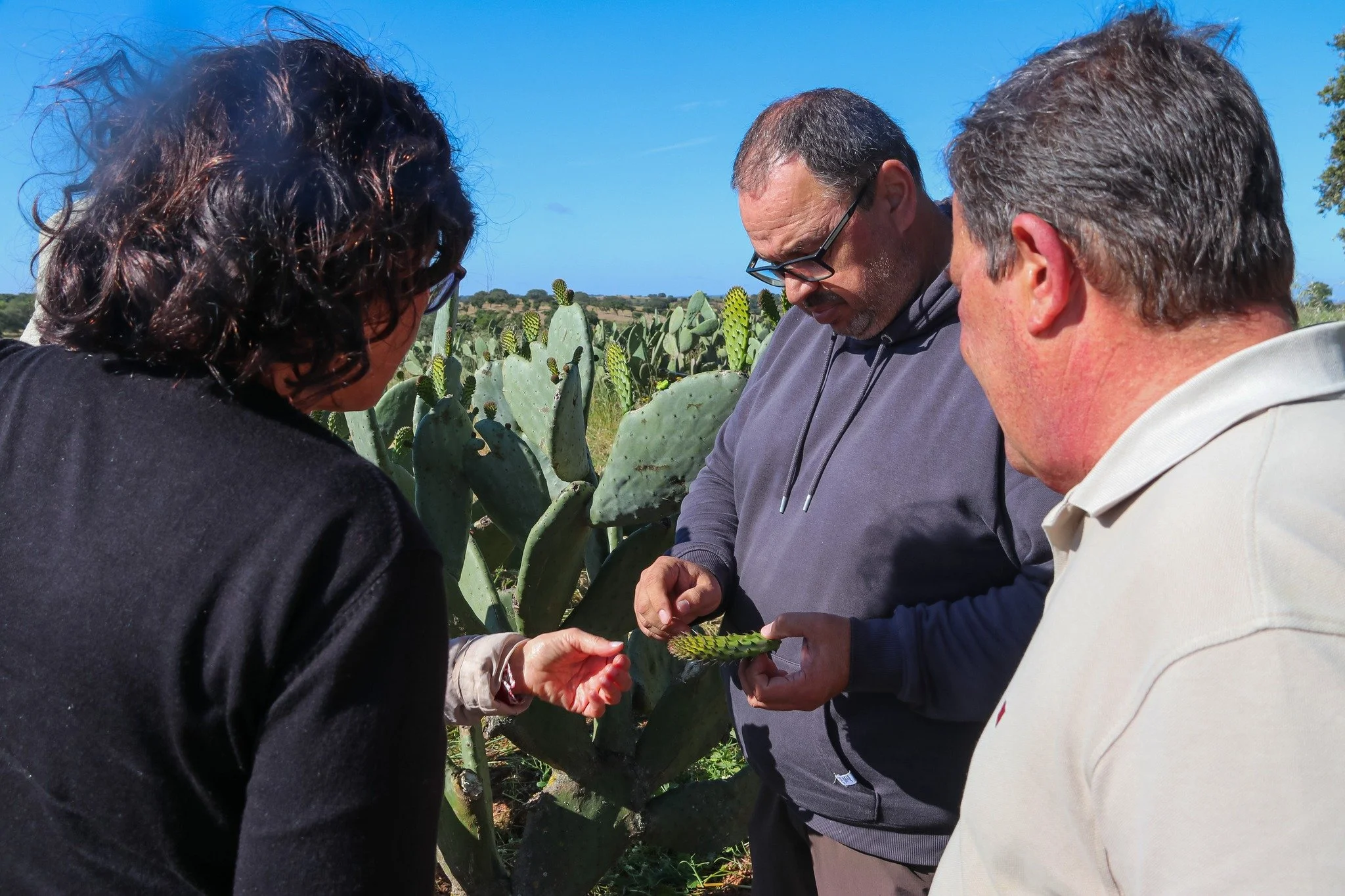
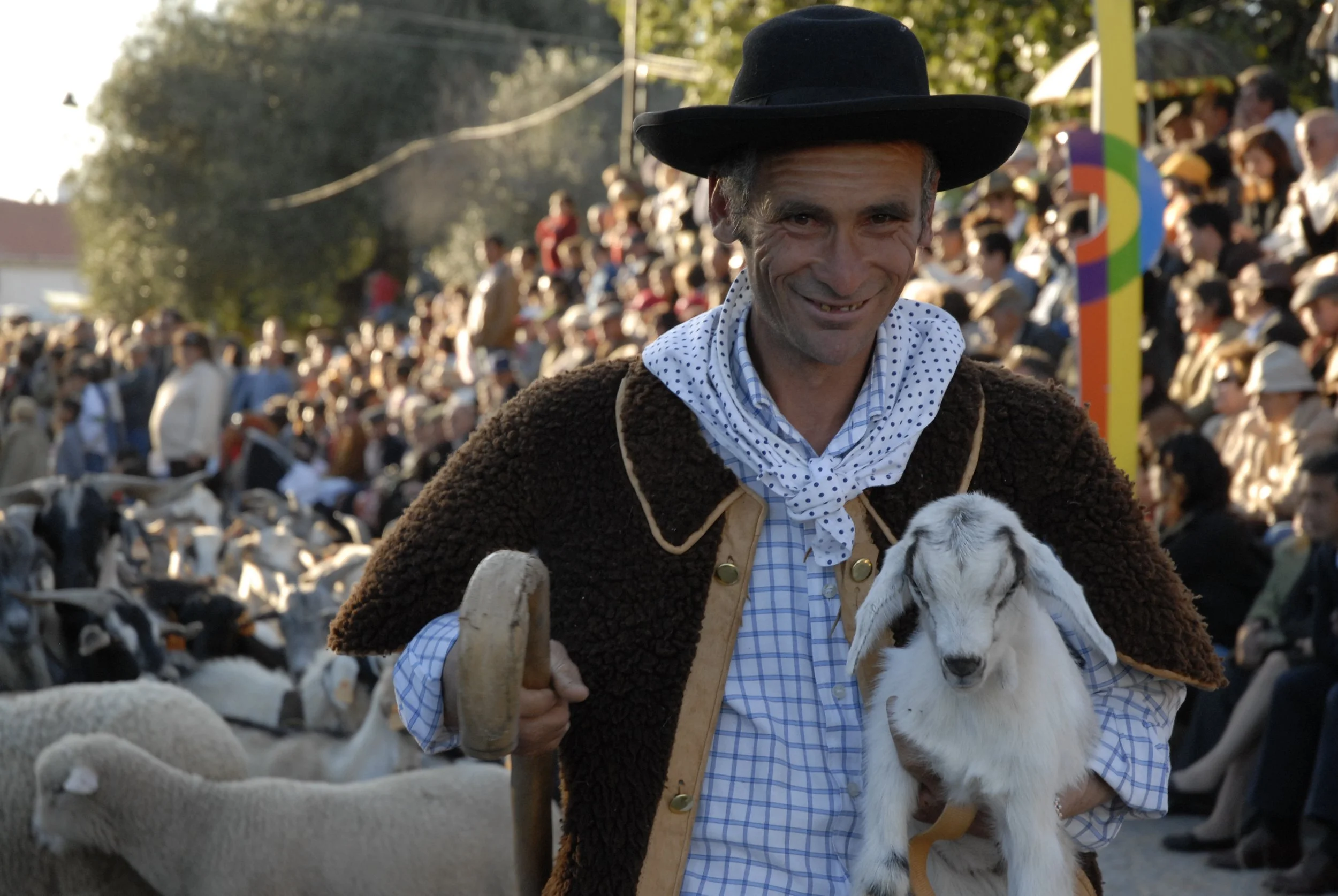
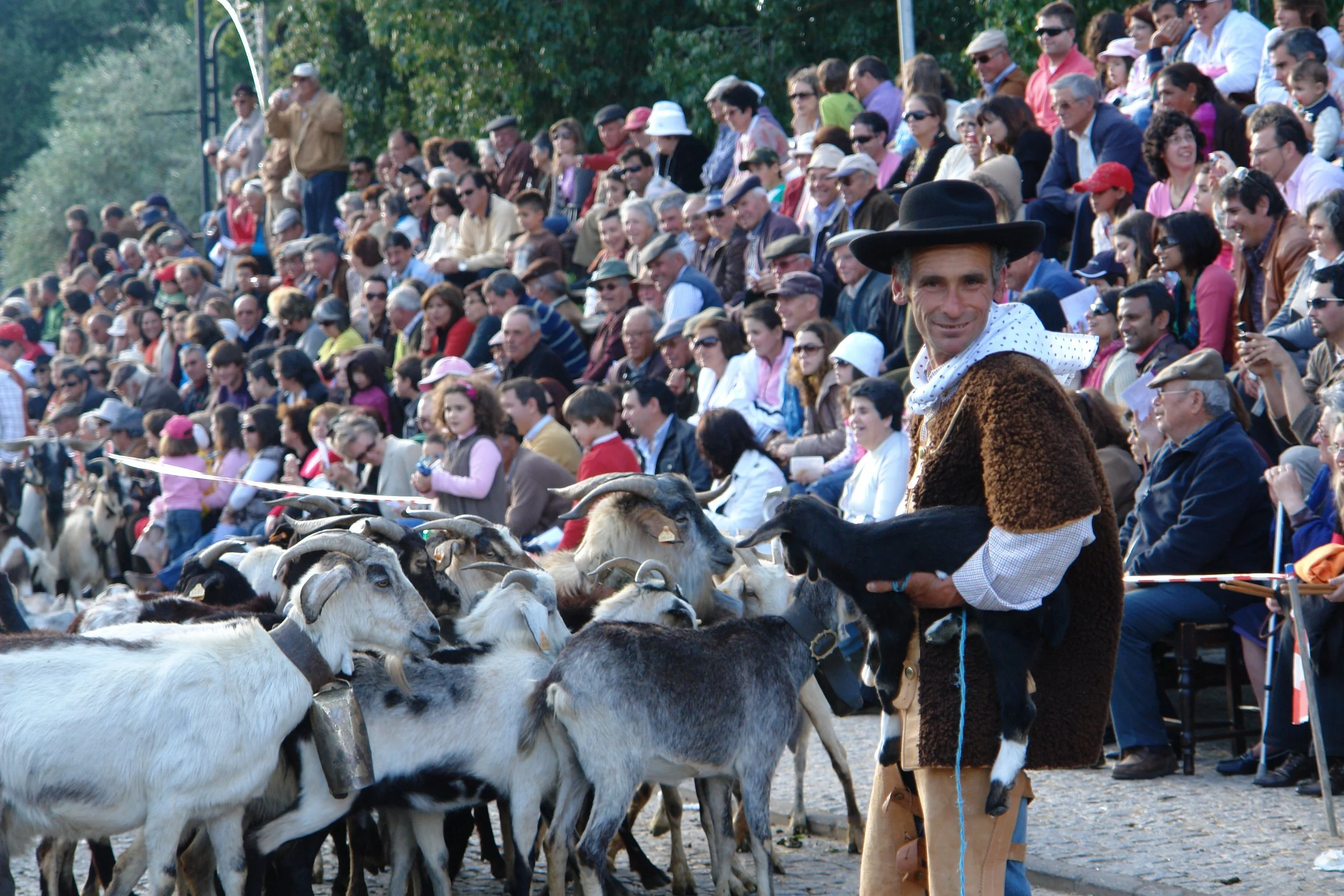
This recognition constitutes a tribute to the arduous work of all those who, over several generations, have known how to preserve and value the territory, overcoming the difficult edaphic-climatic conditions and creating an agricultural system that ensures subsistence and the production of quality food.
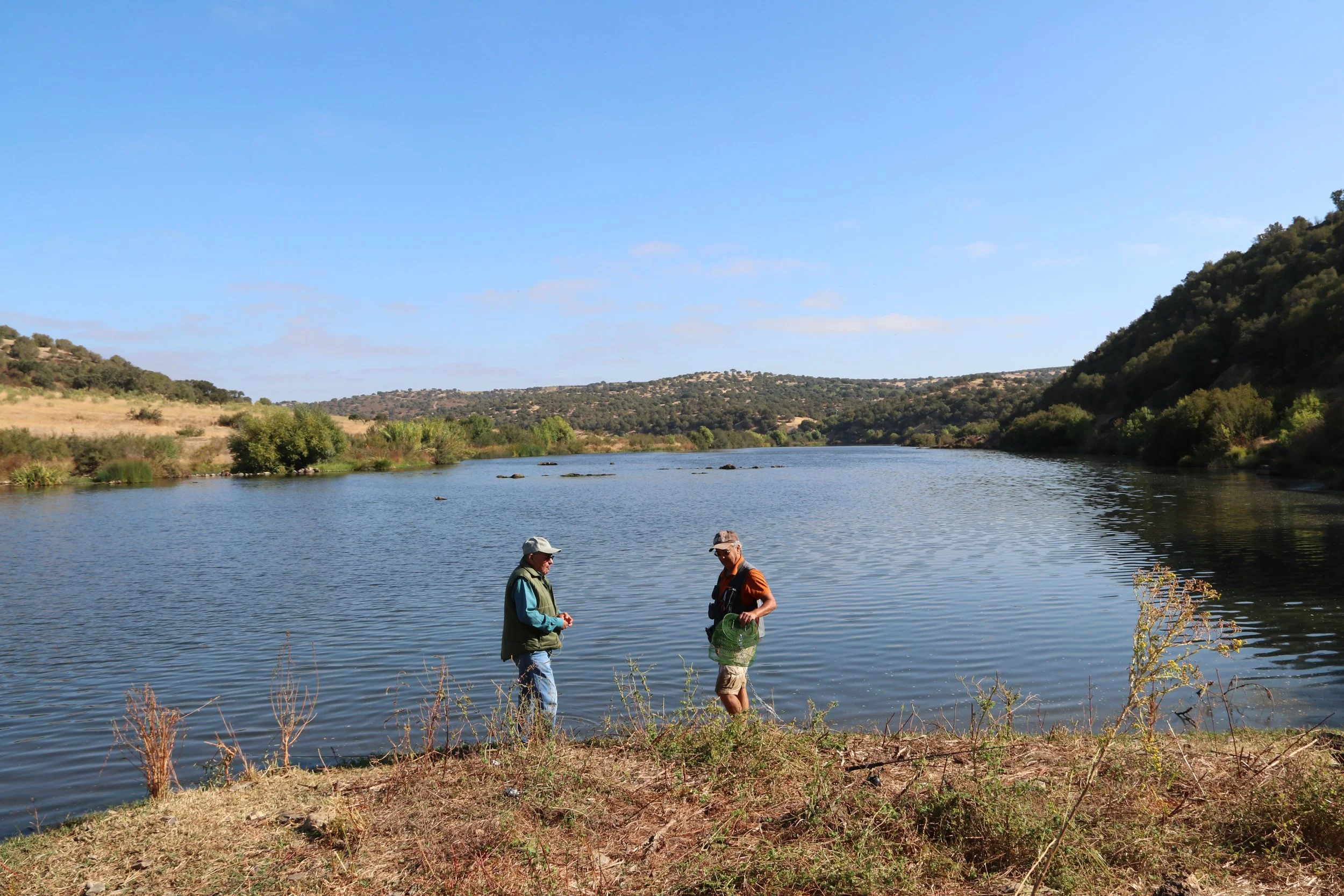
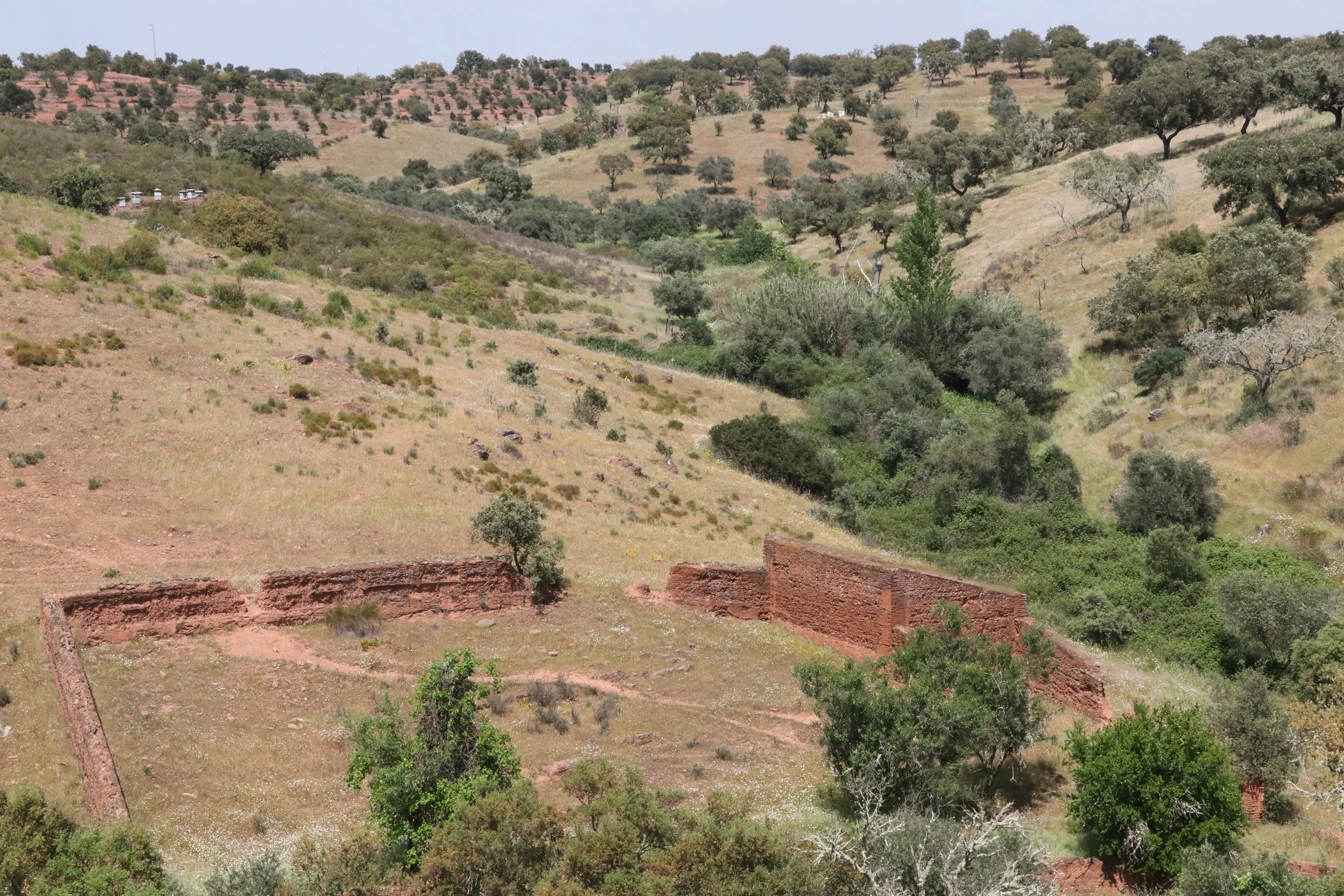
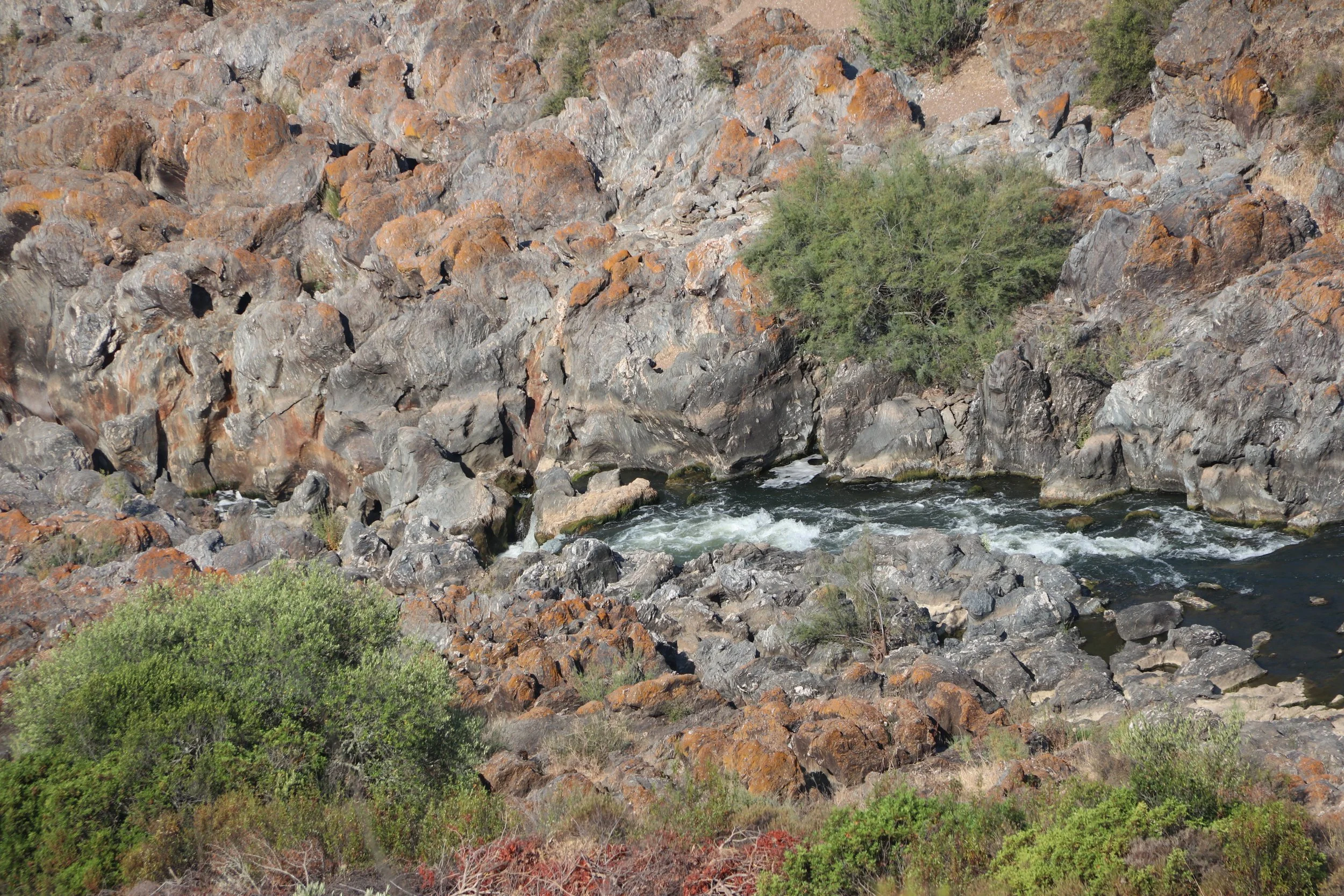
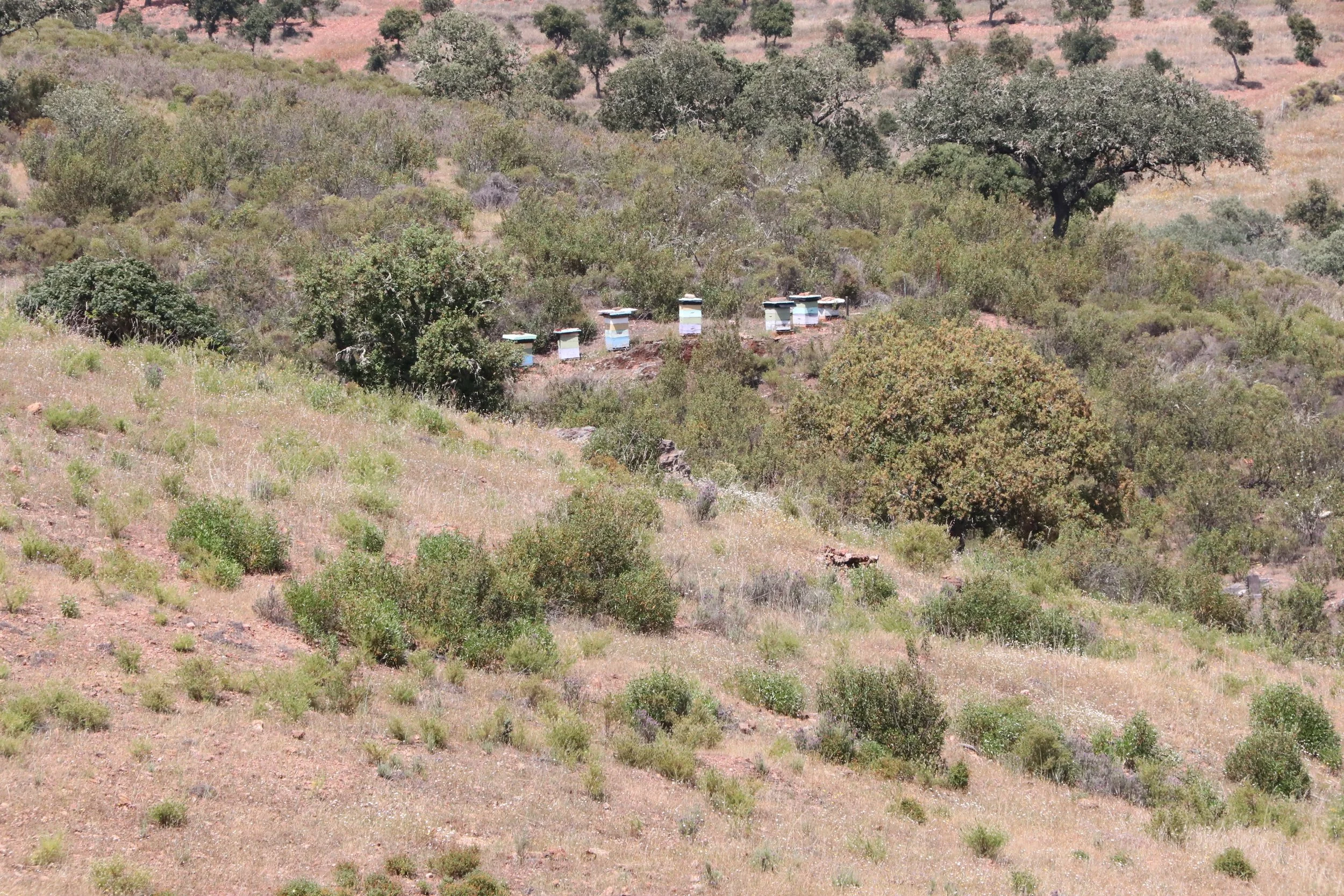
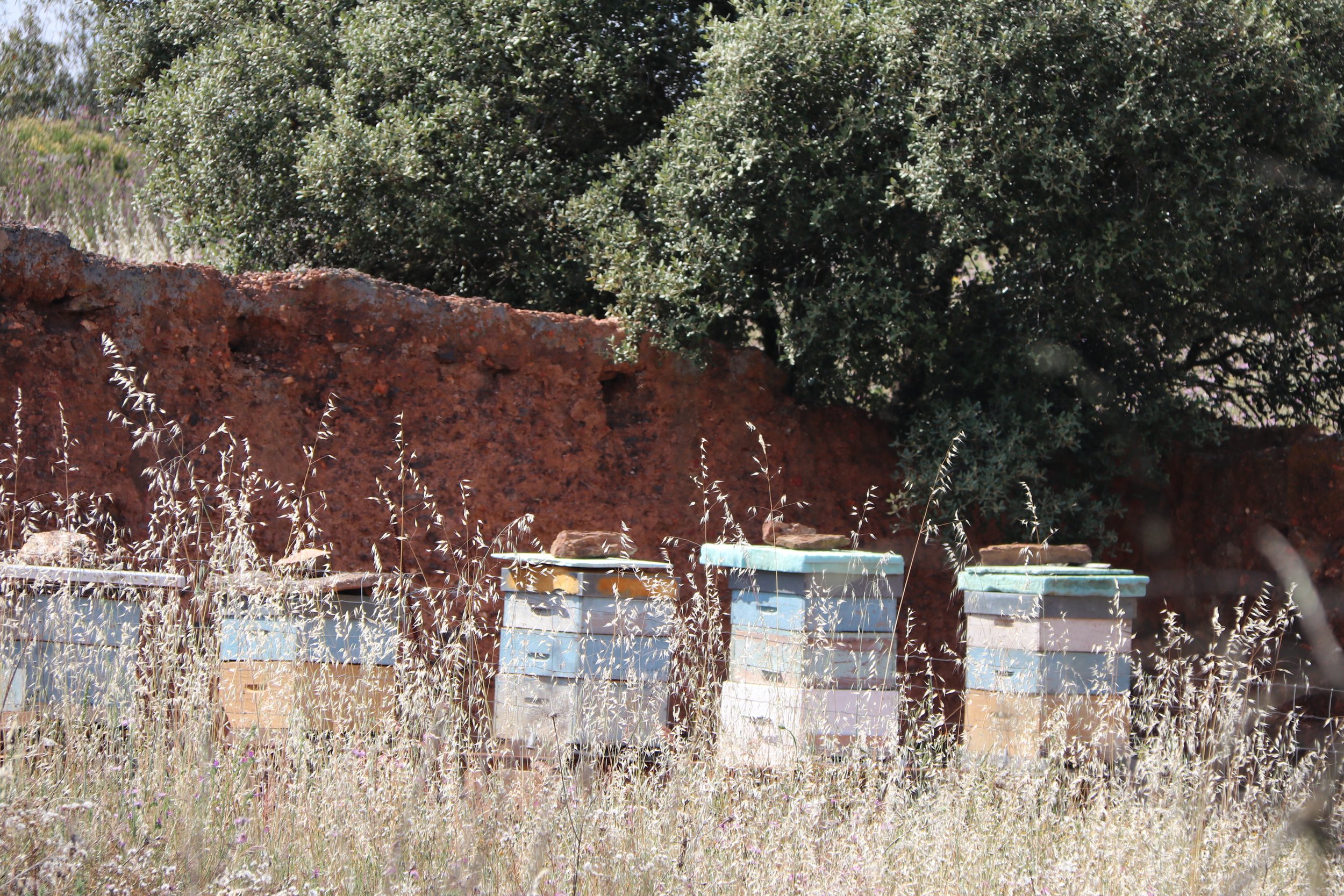
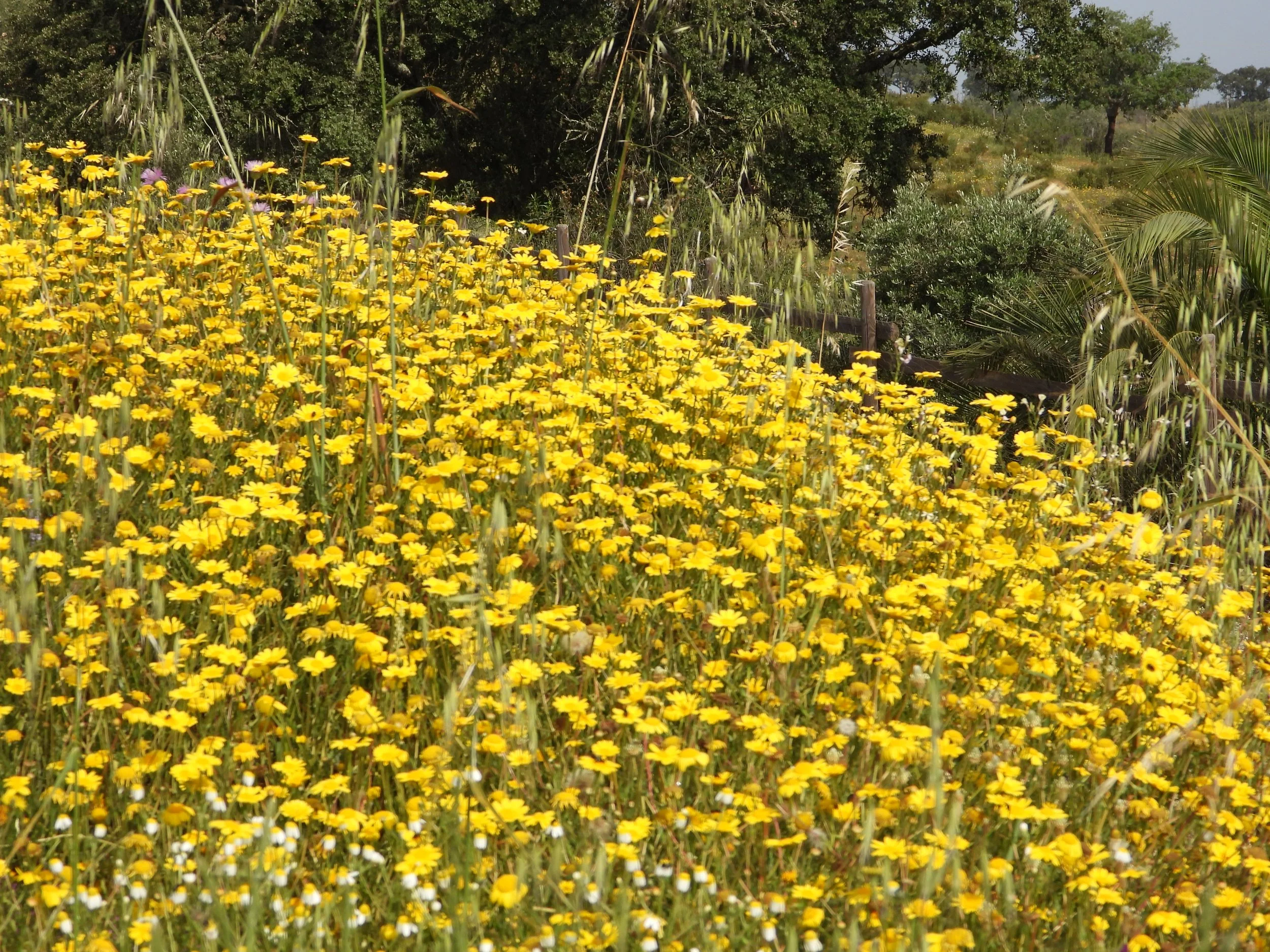
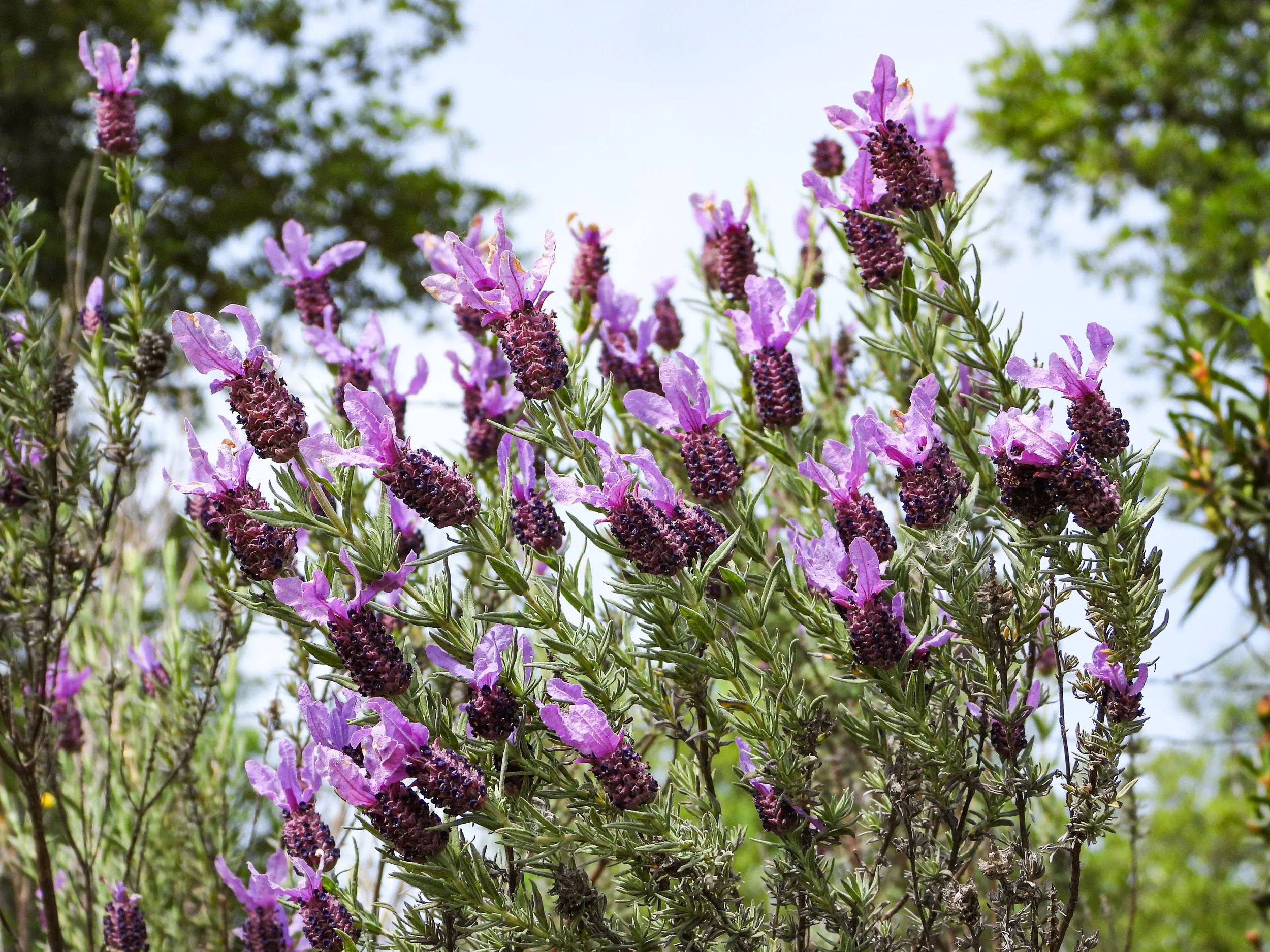
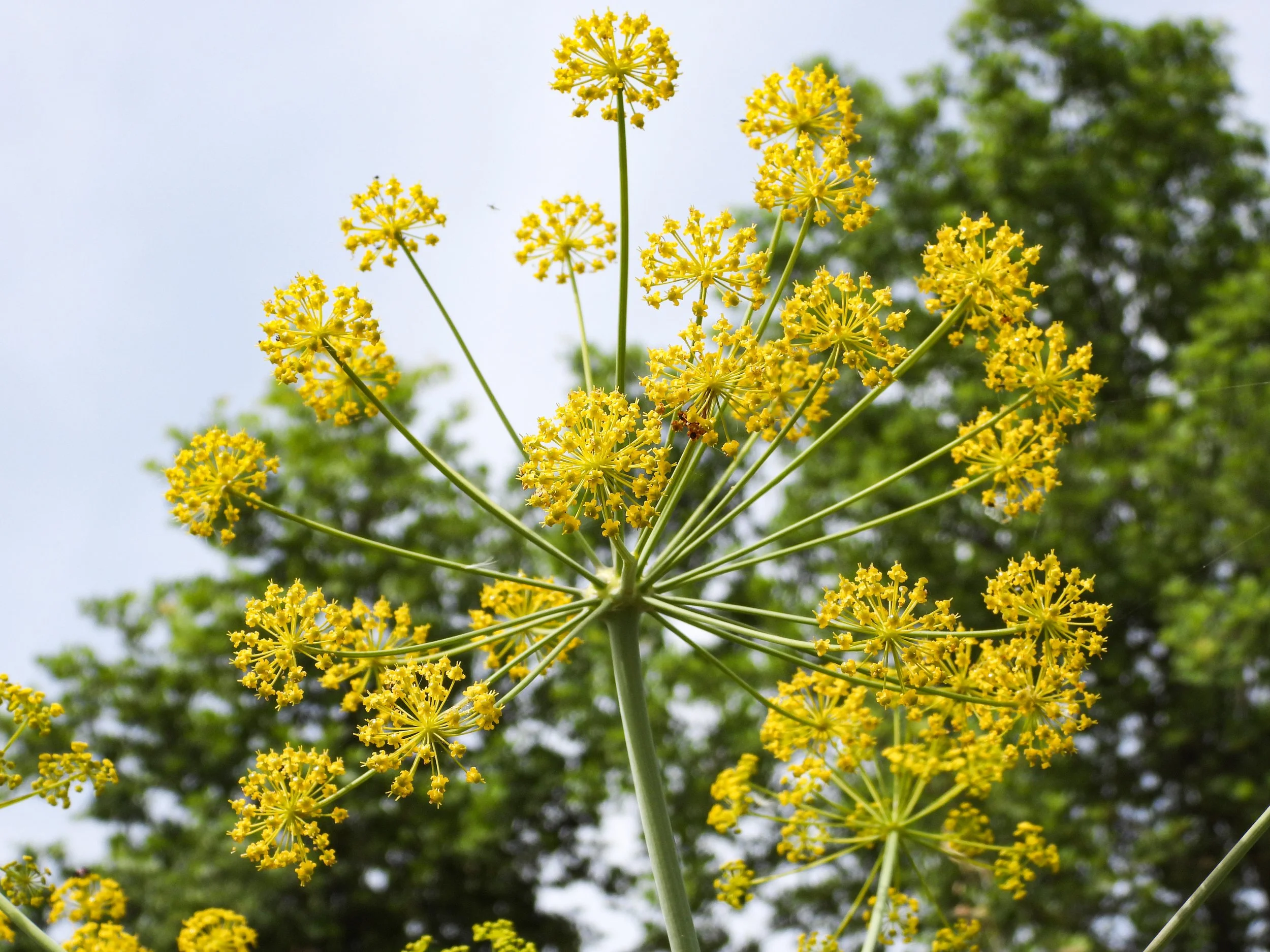
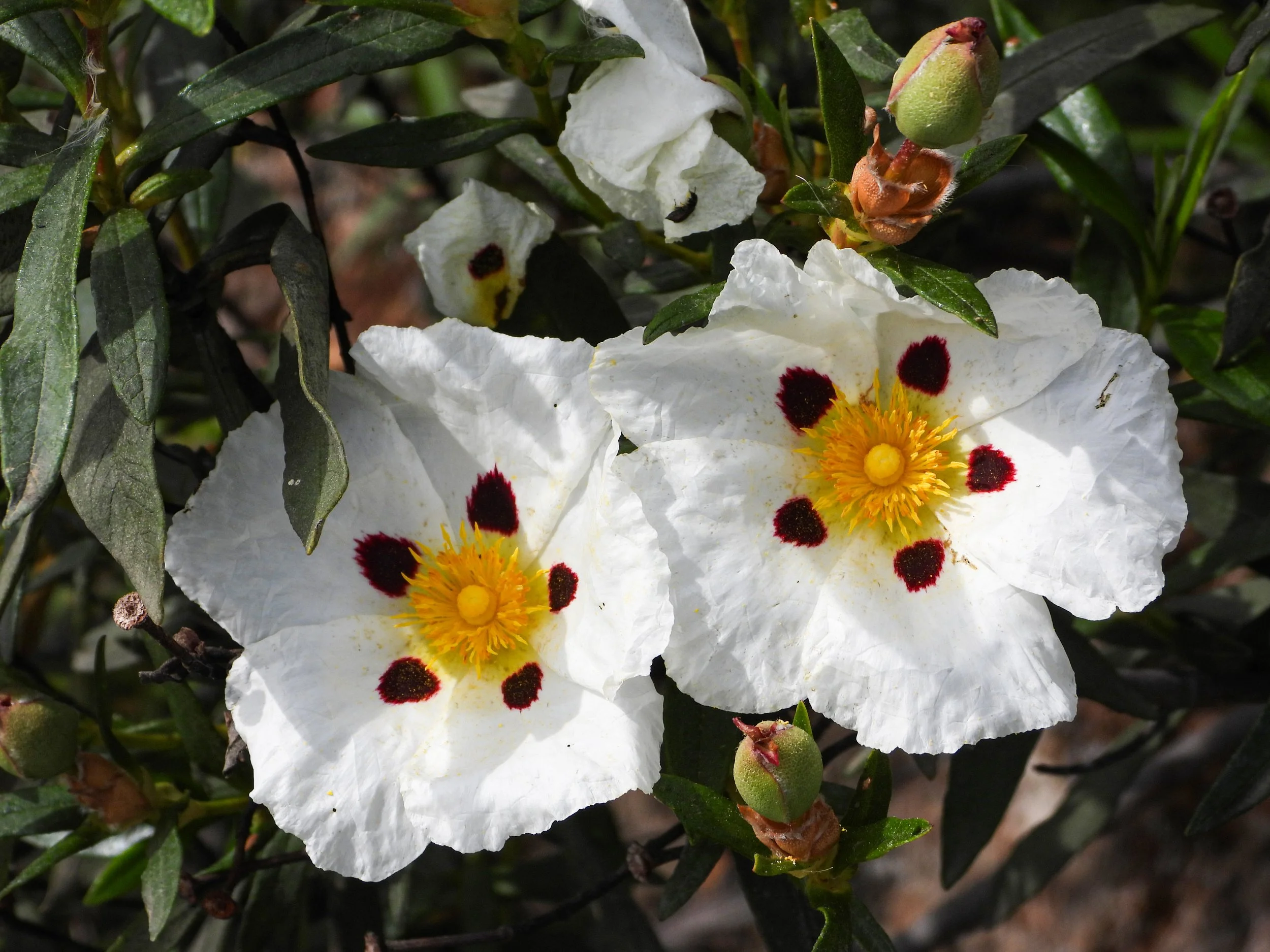
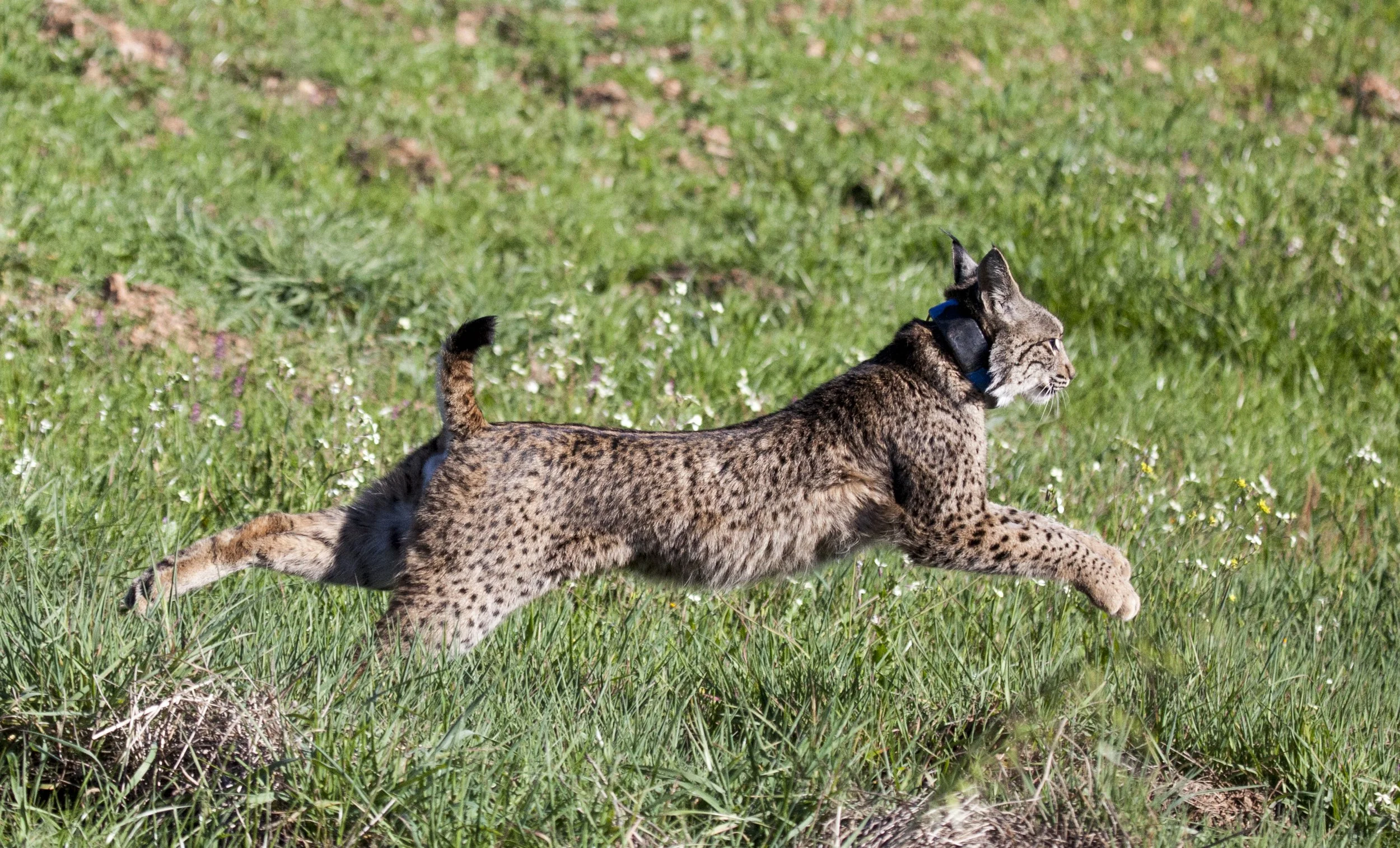
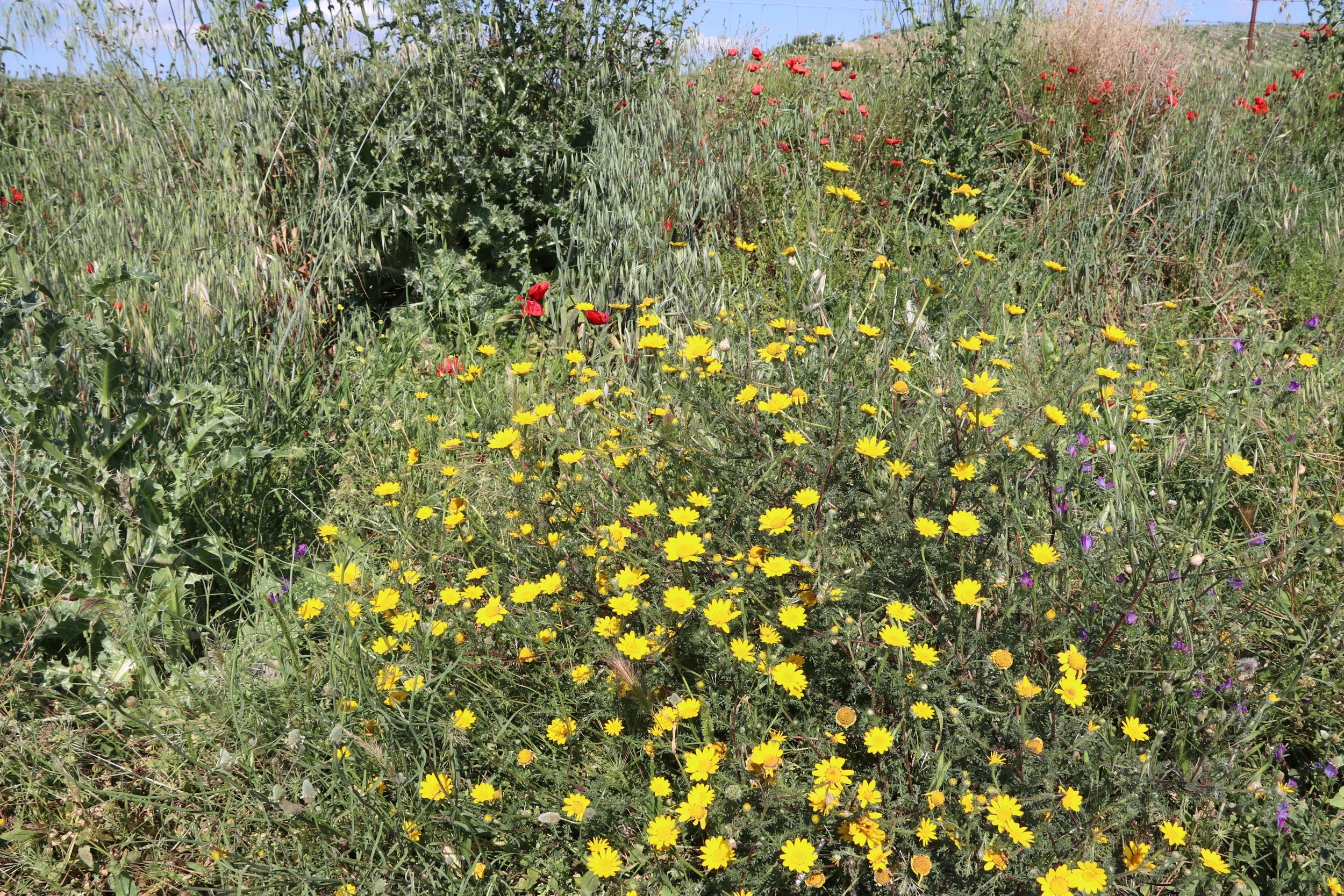
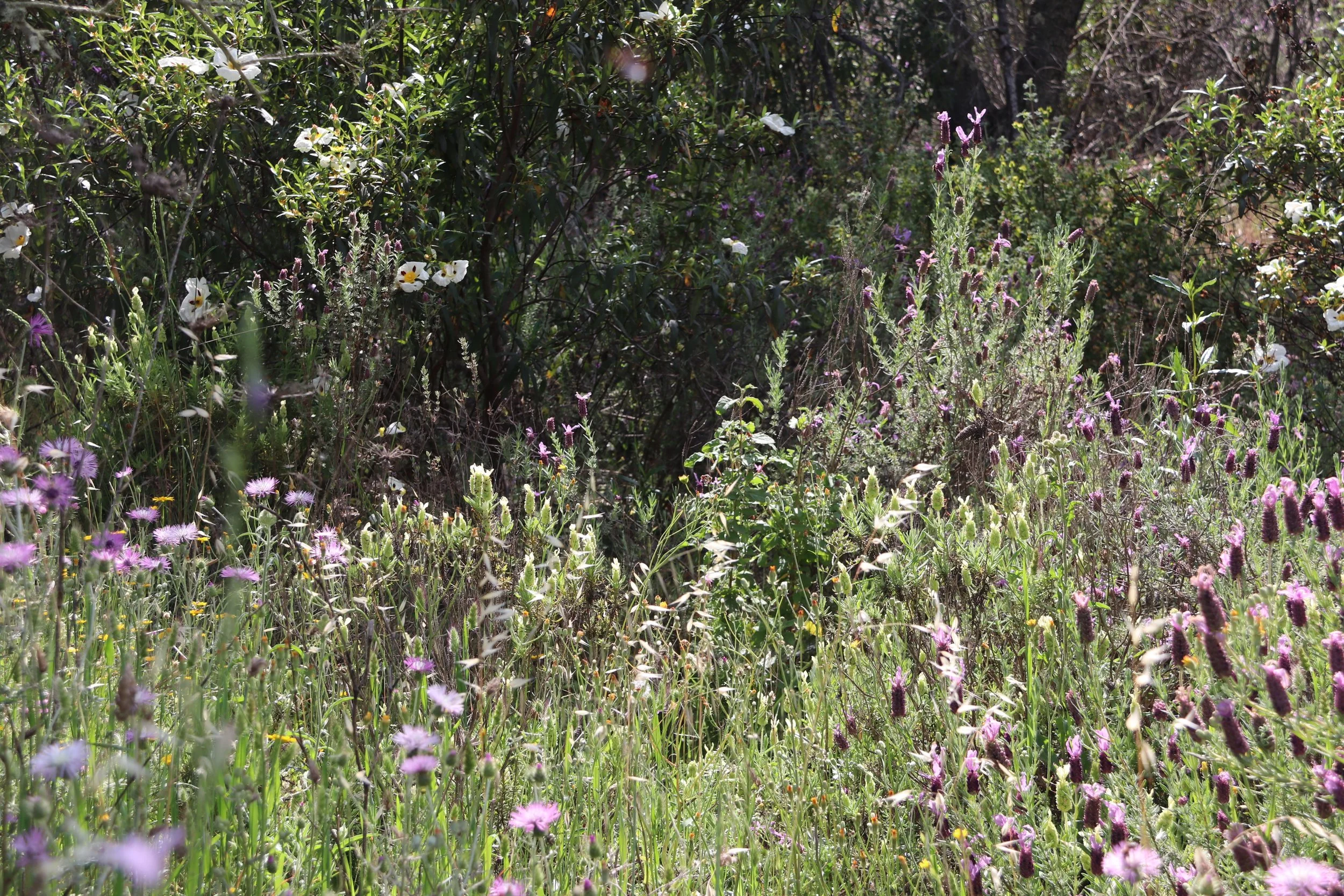
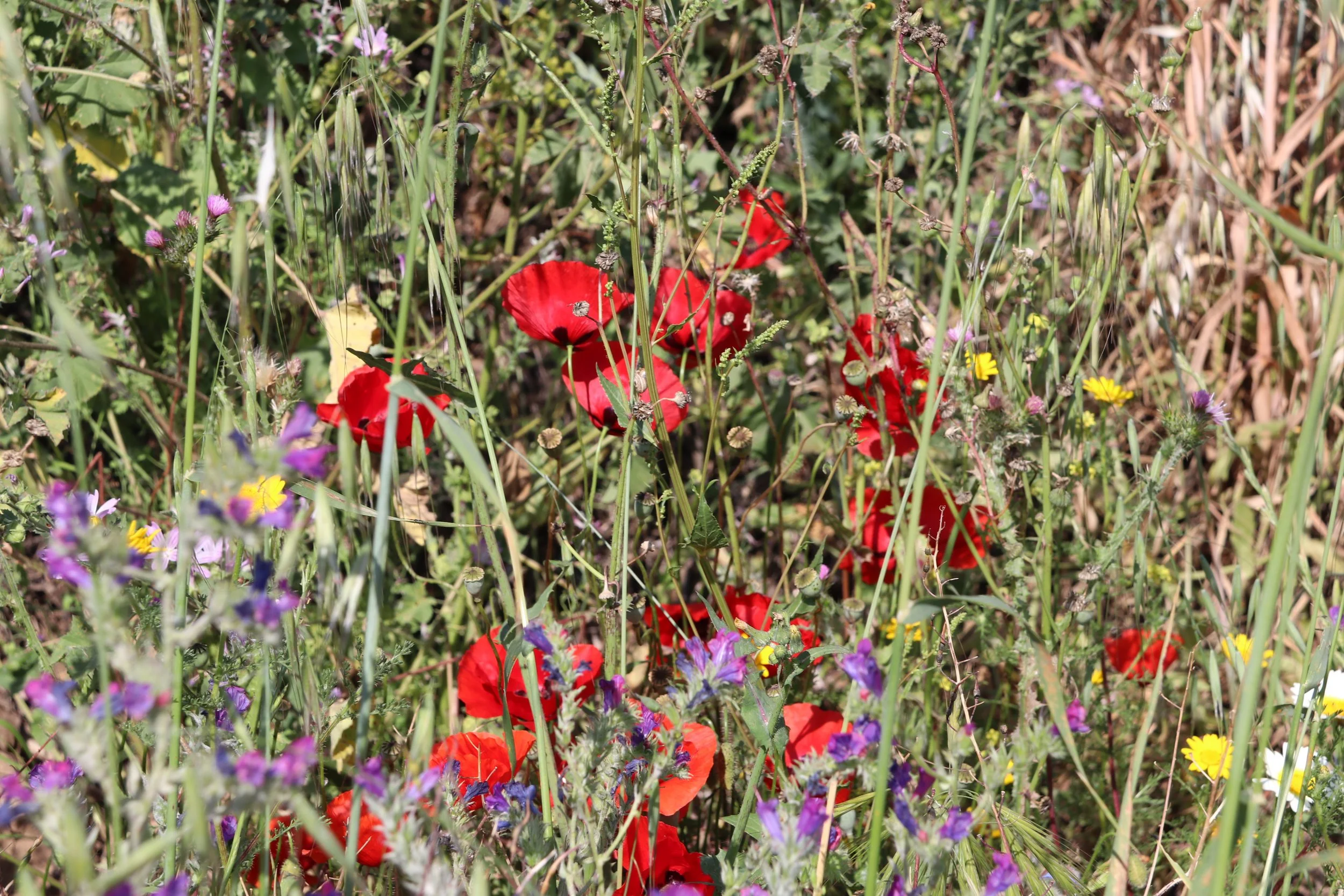
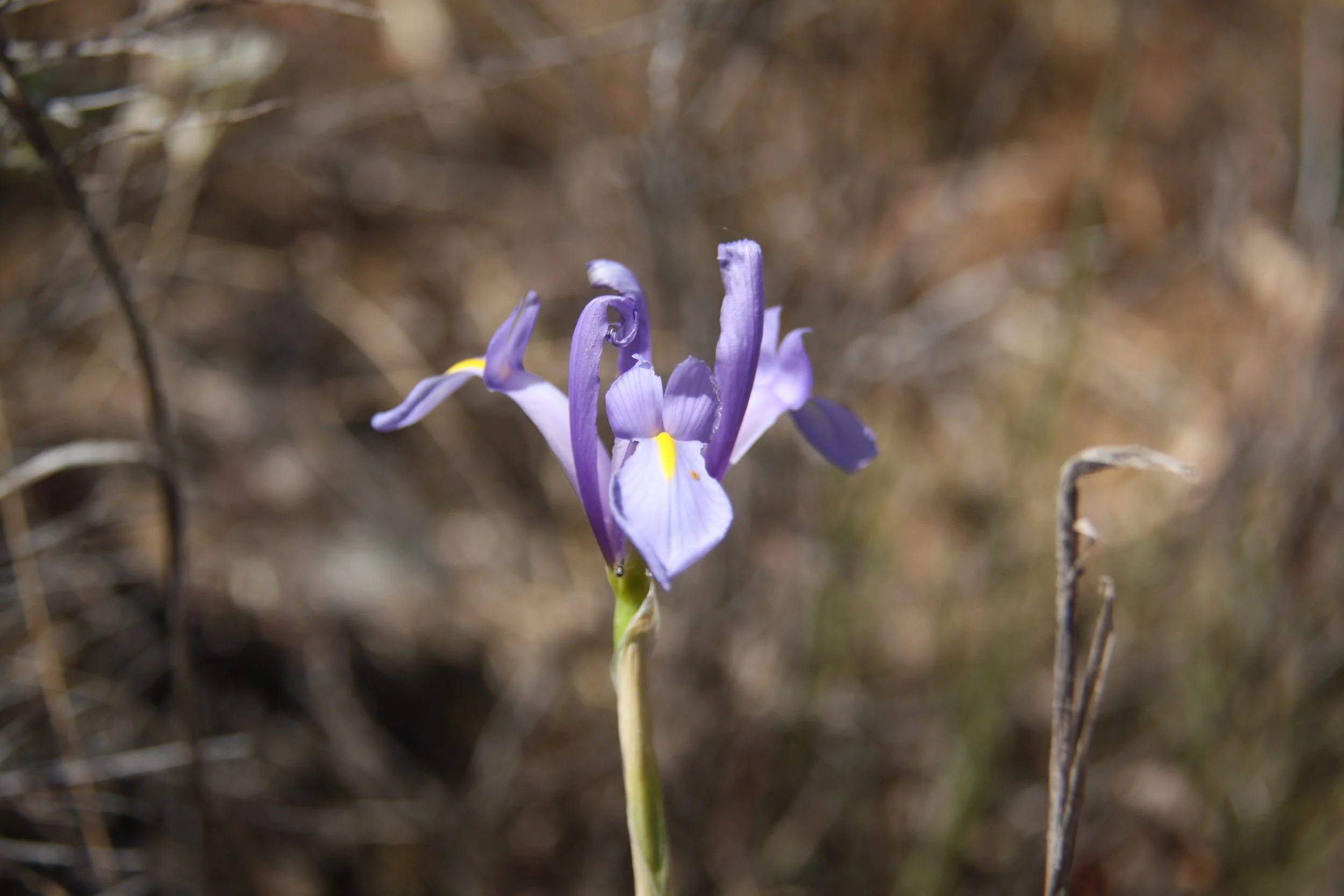
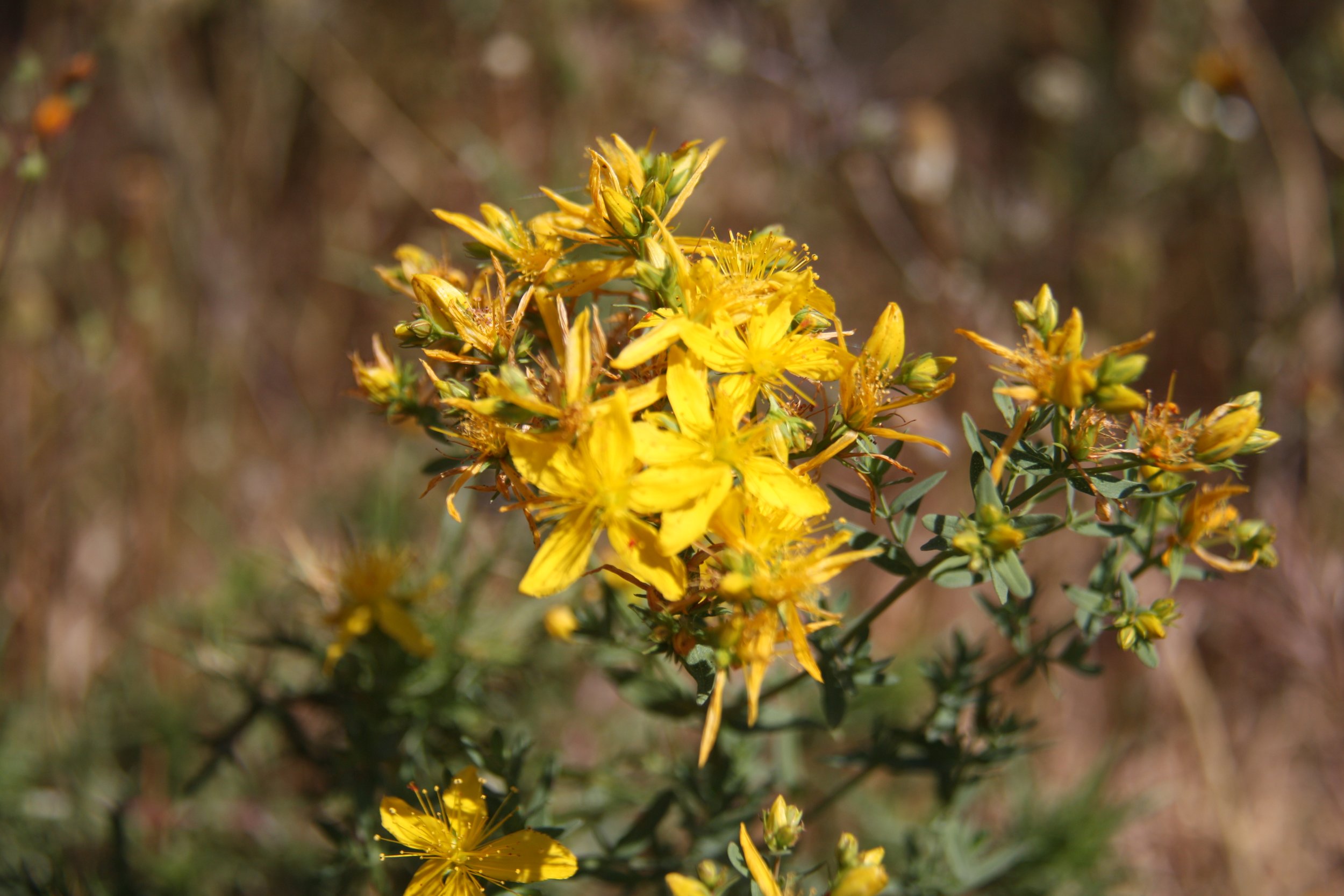
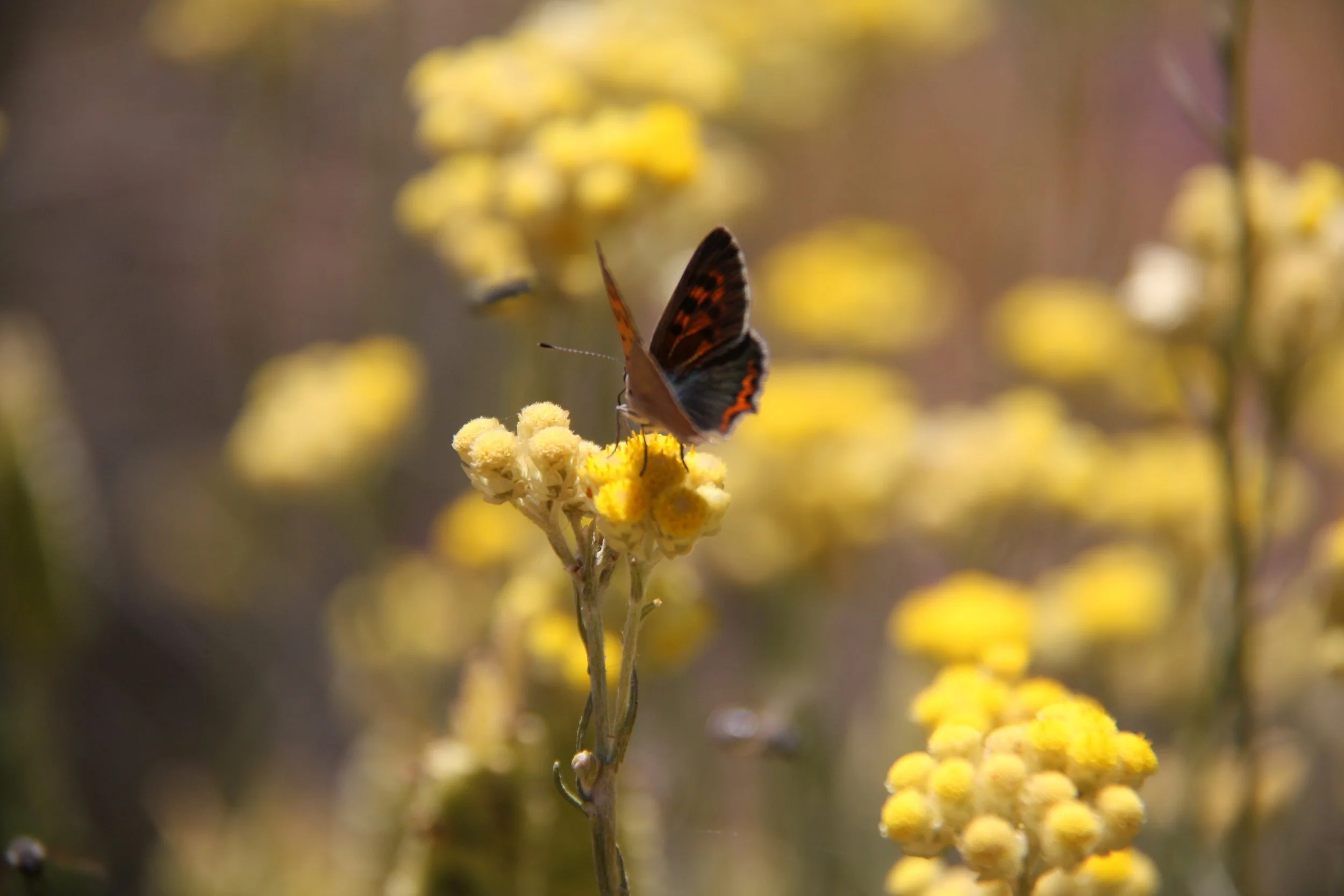
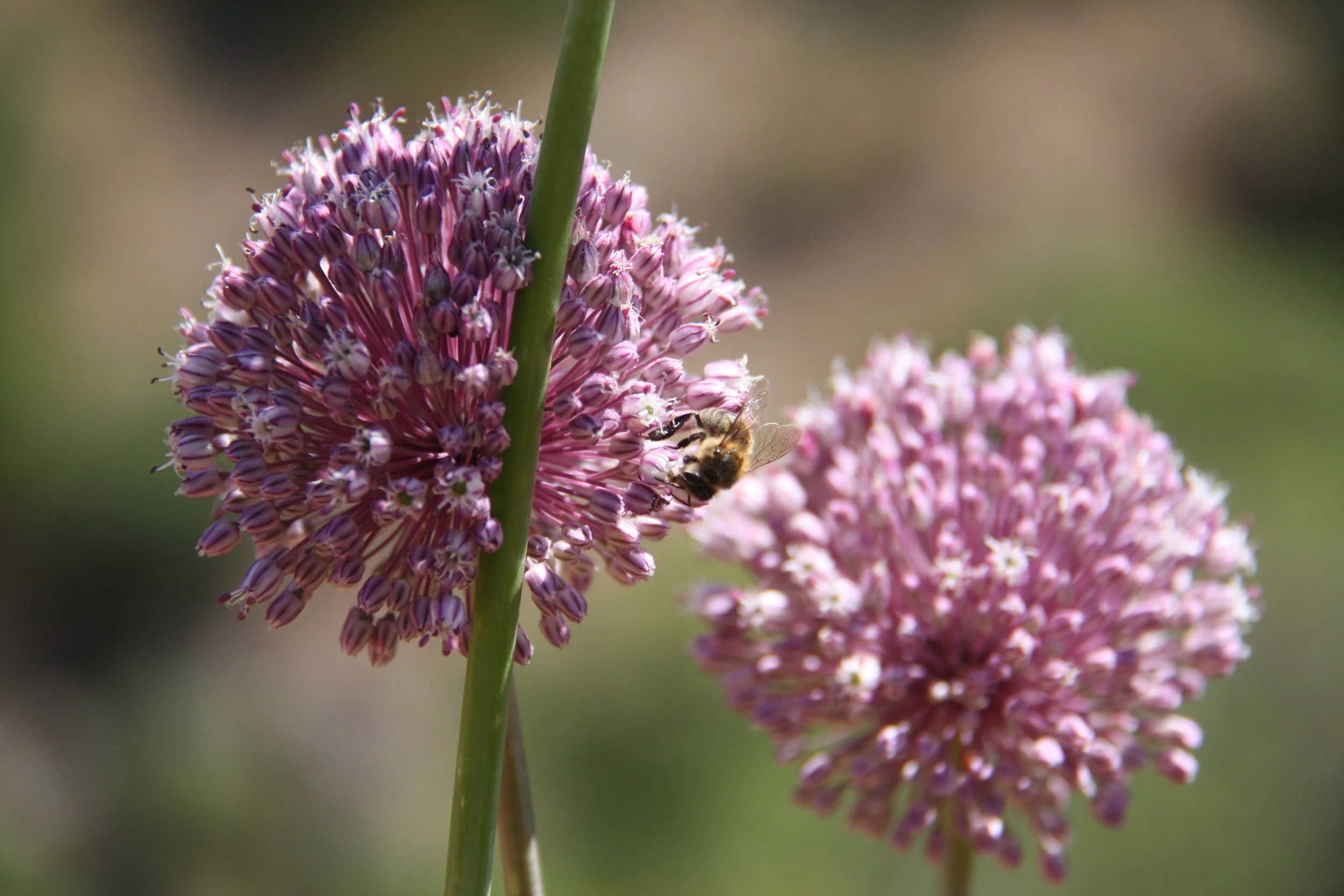
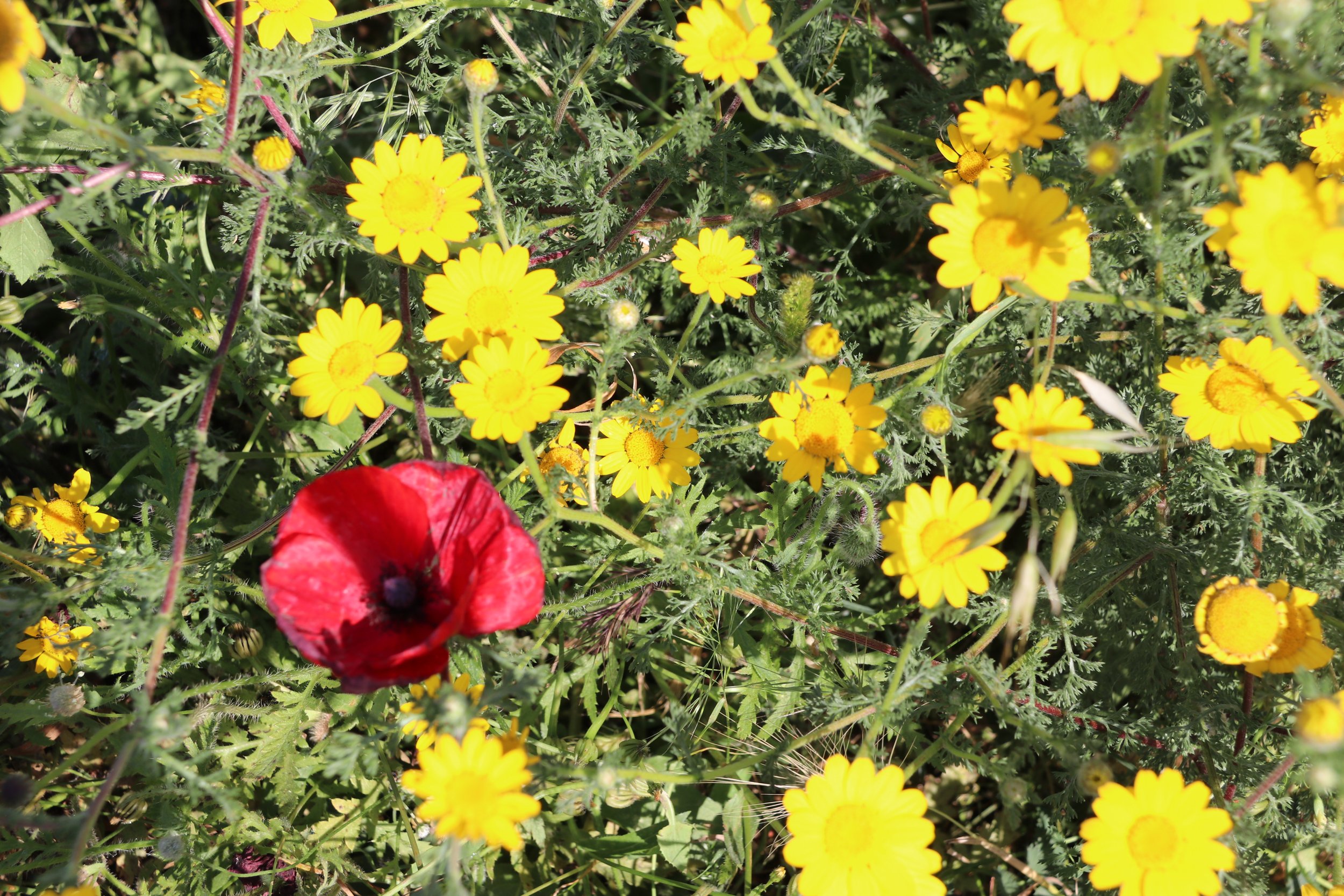
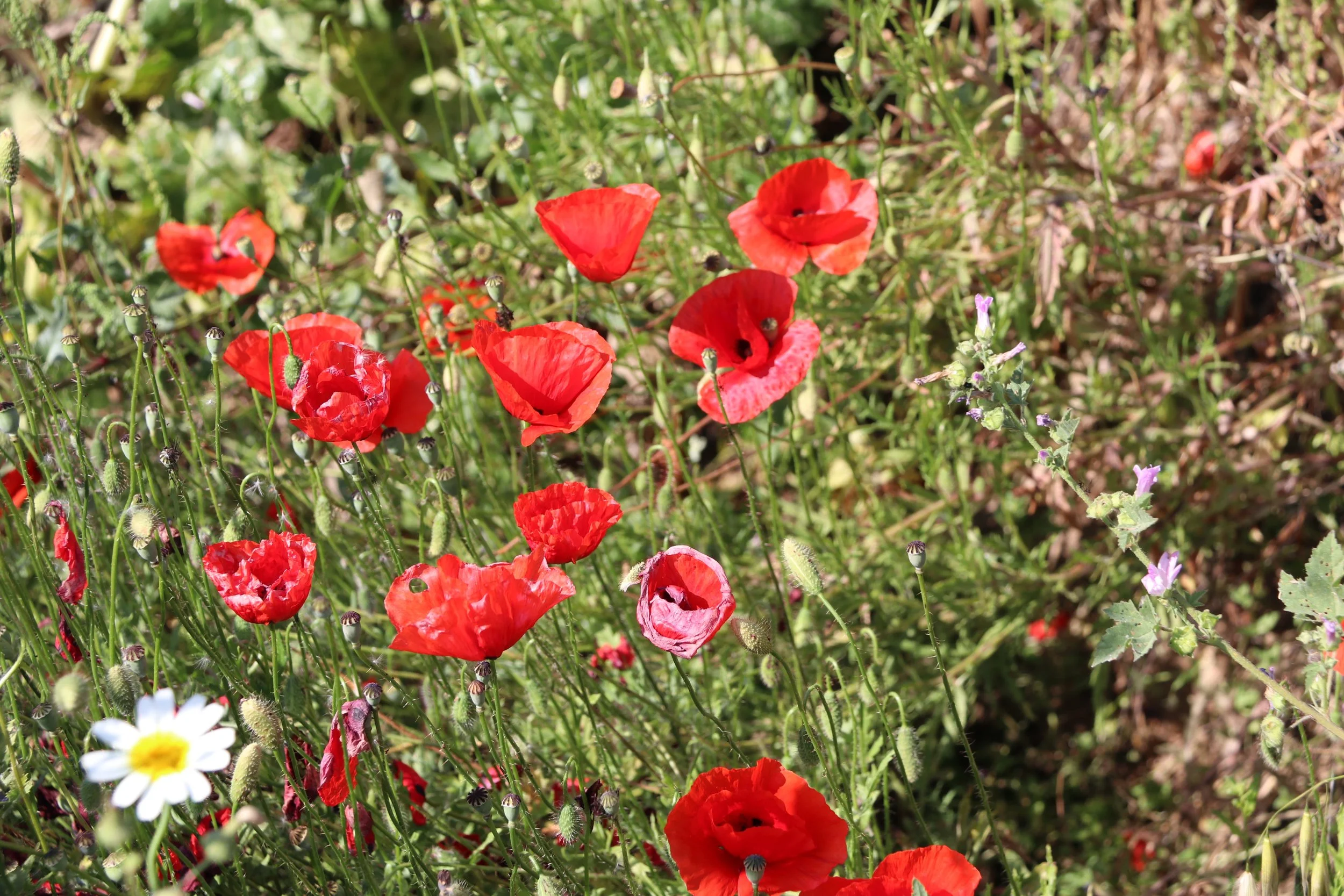
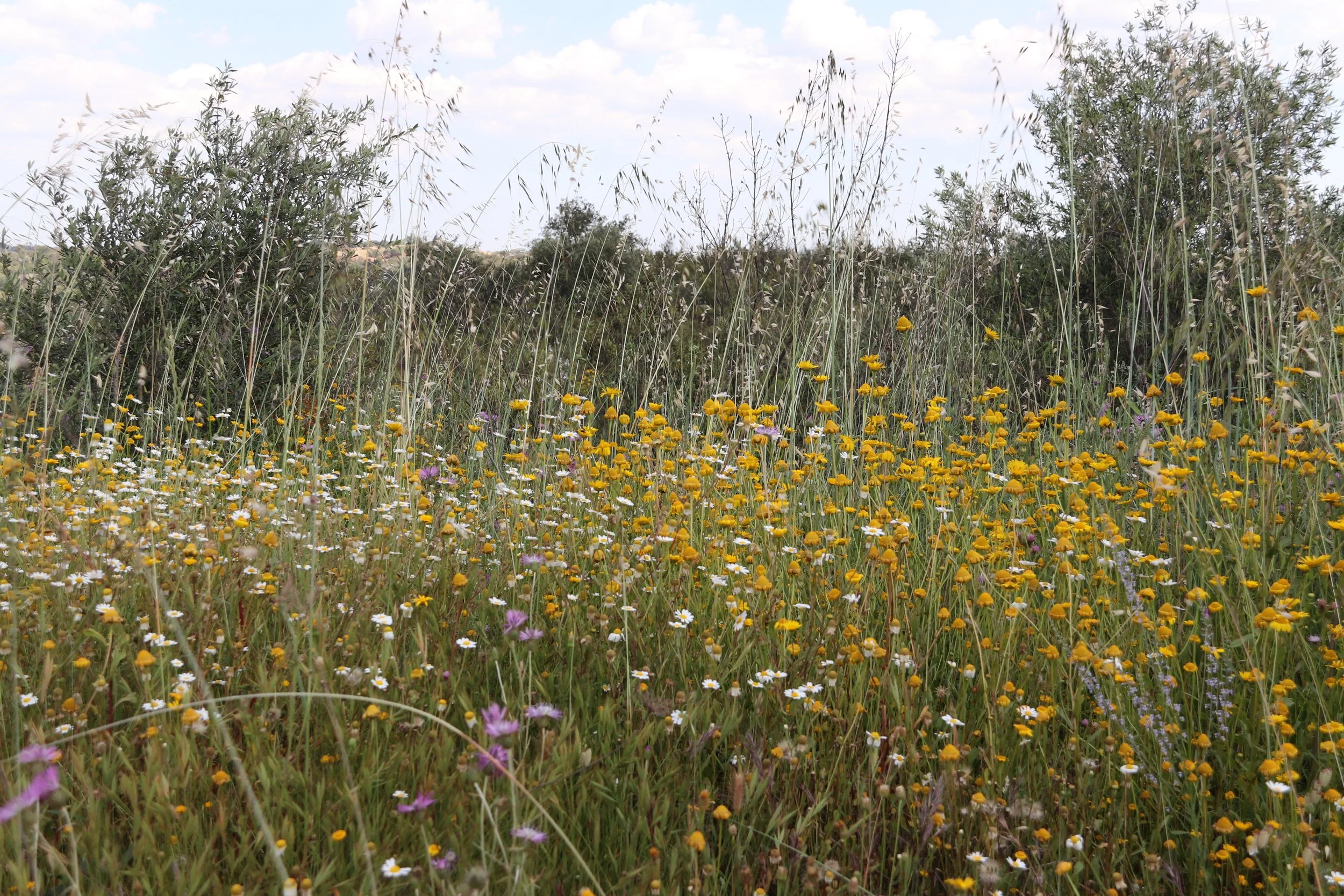
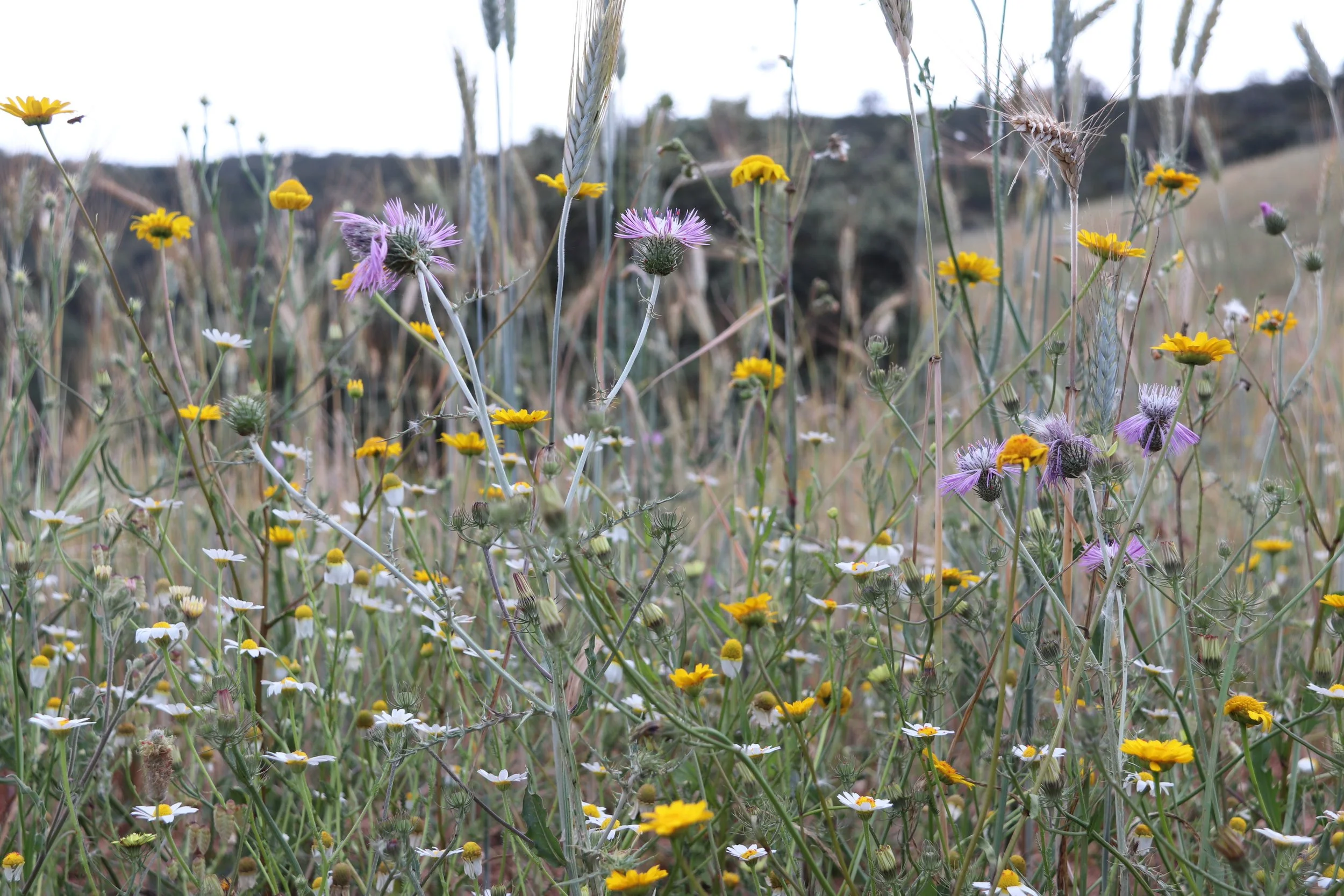
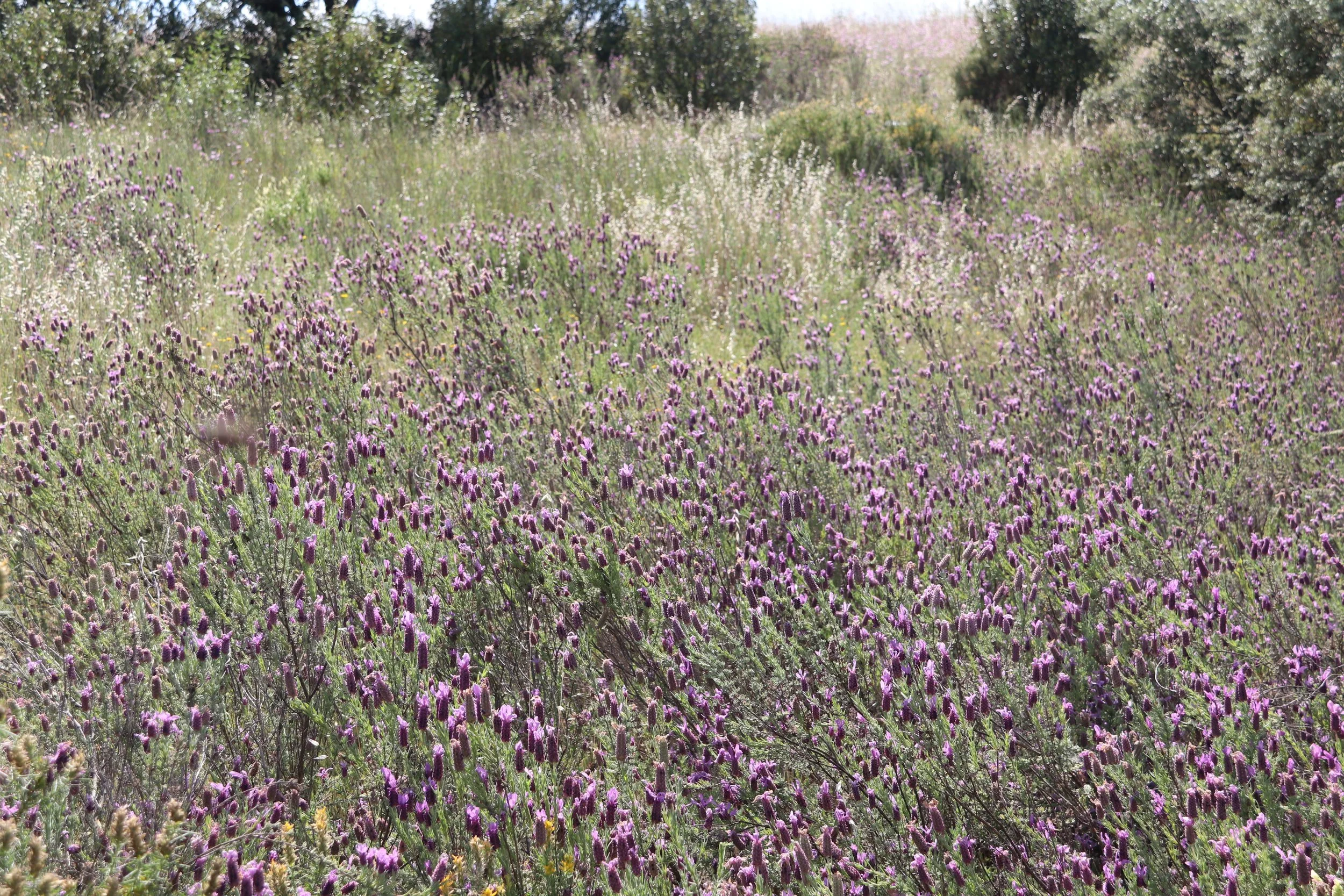
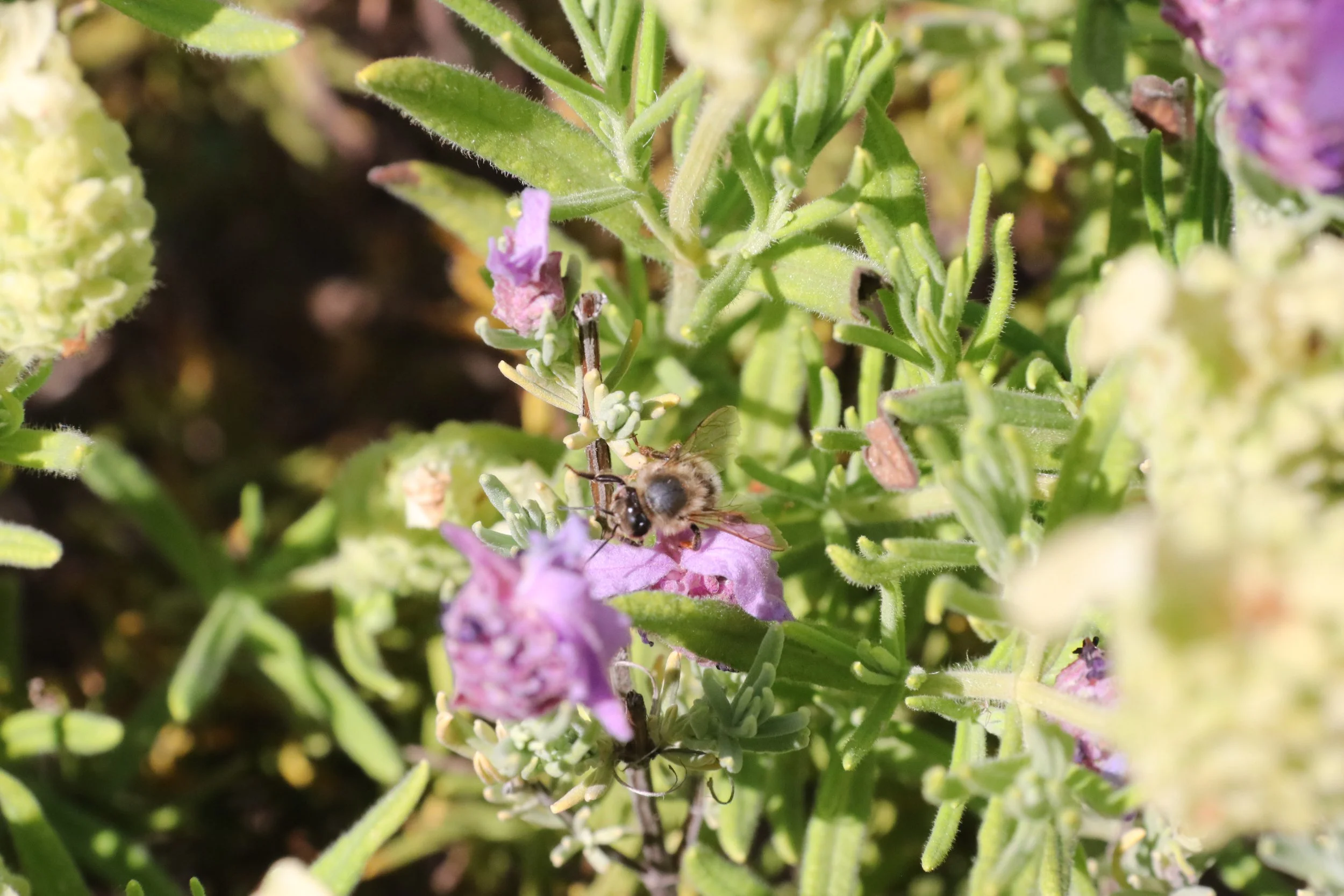
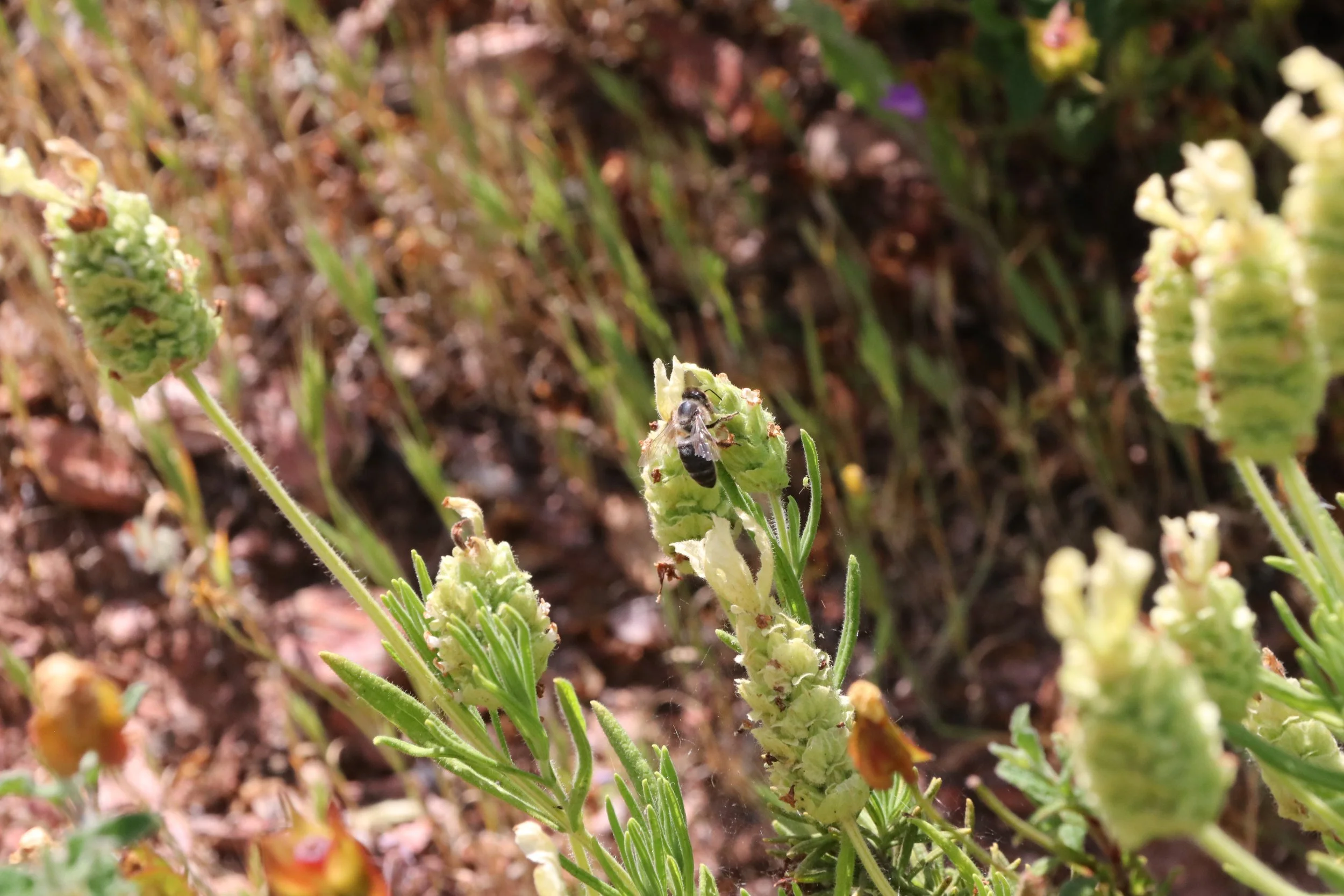
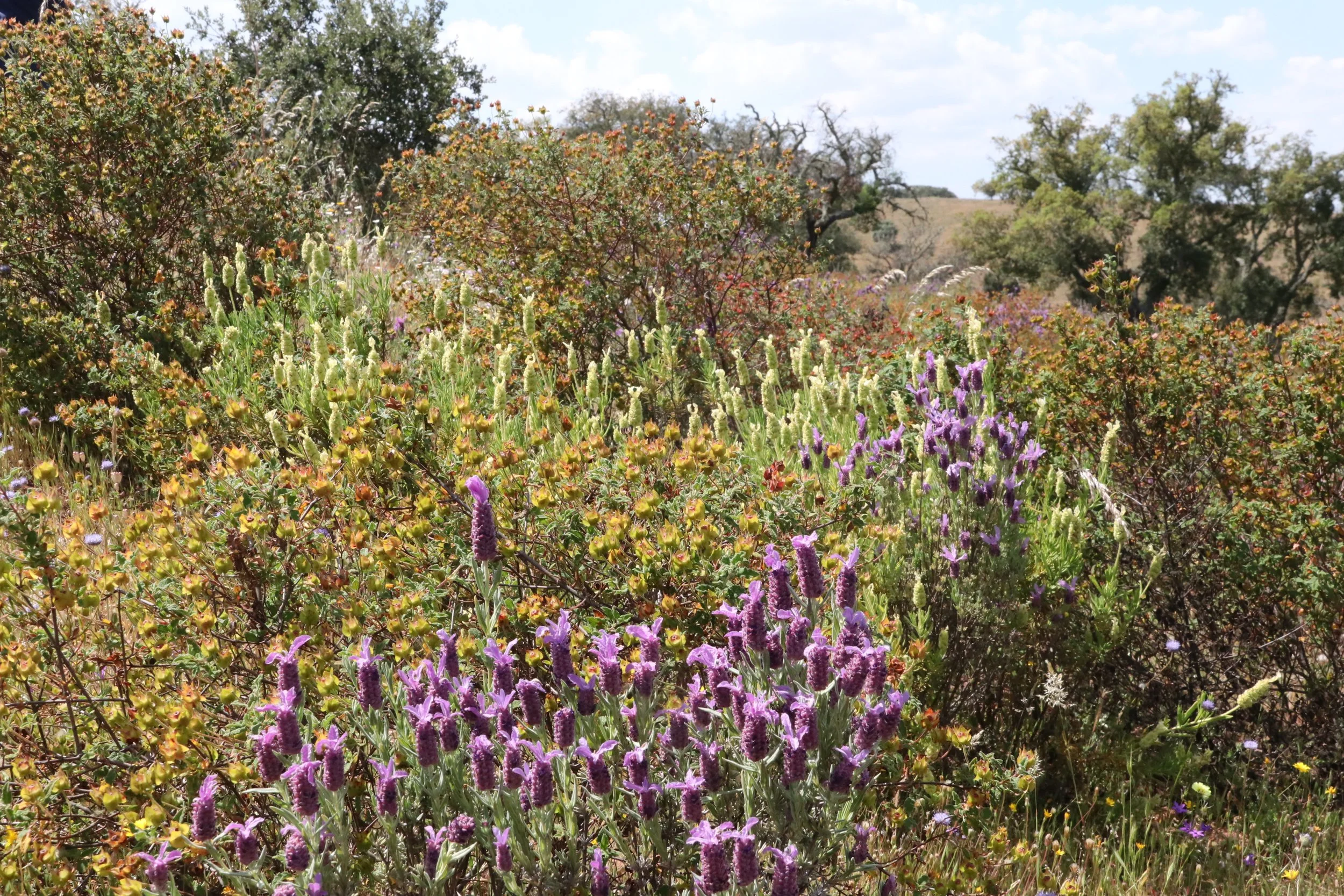
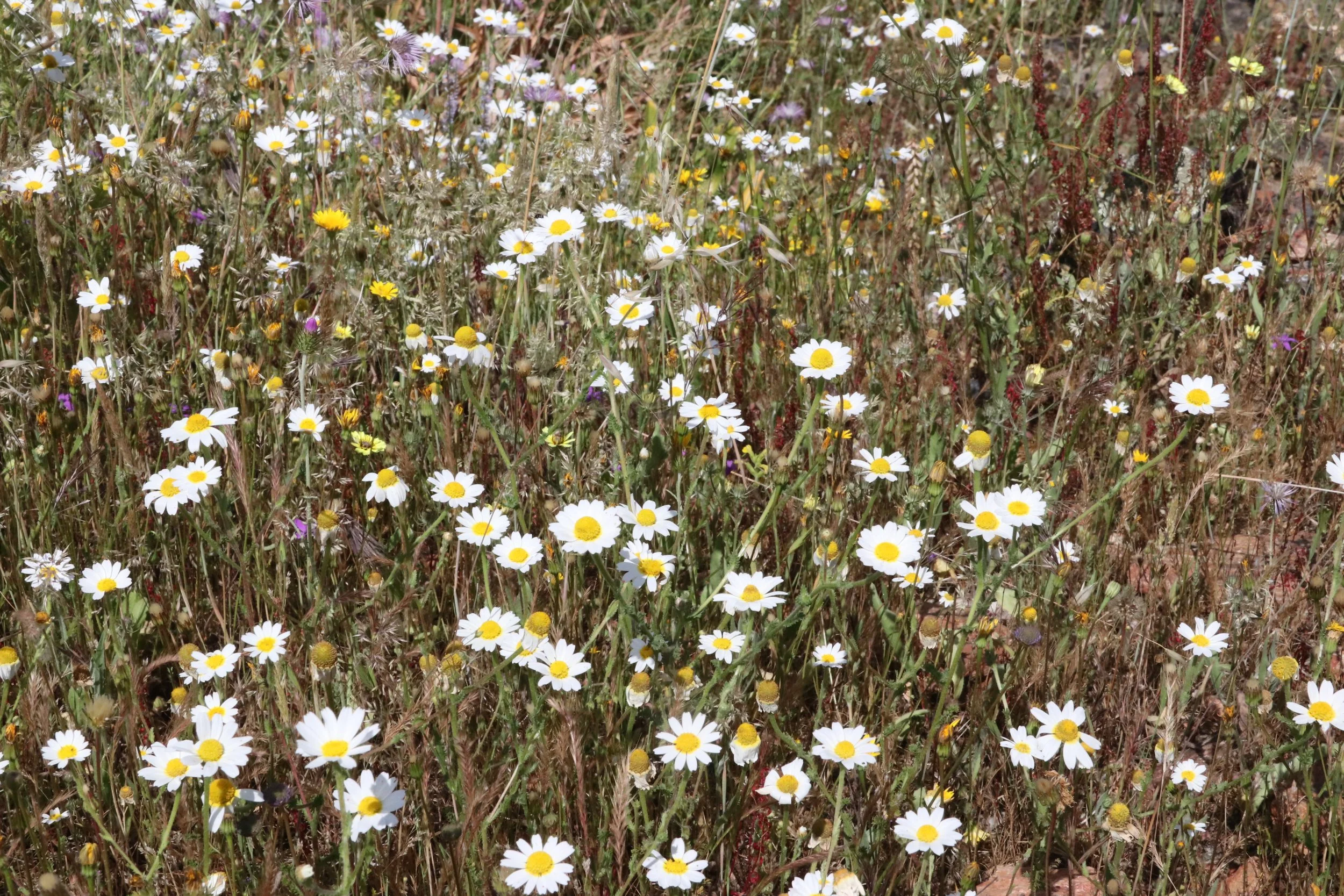
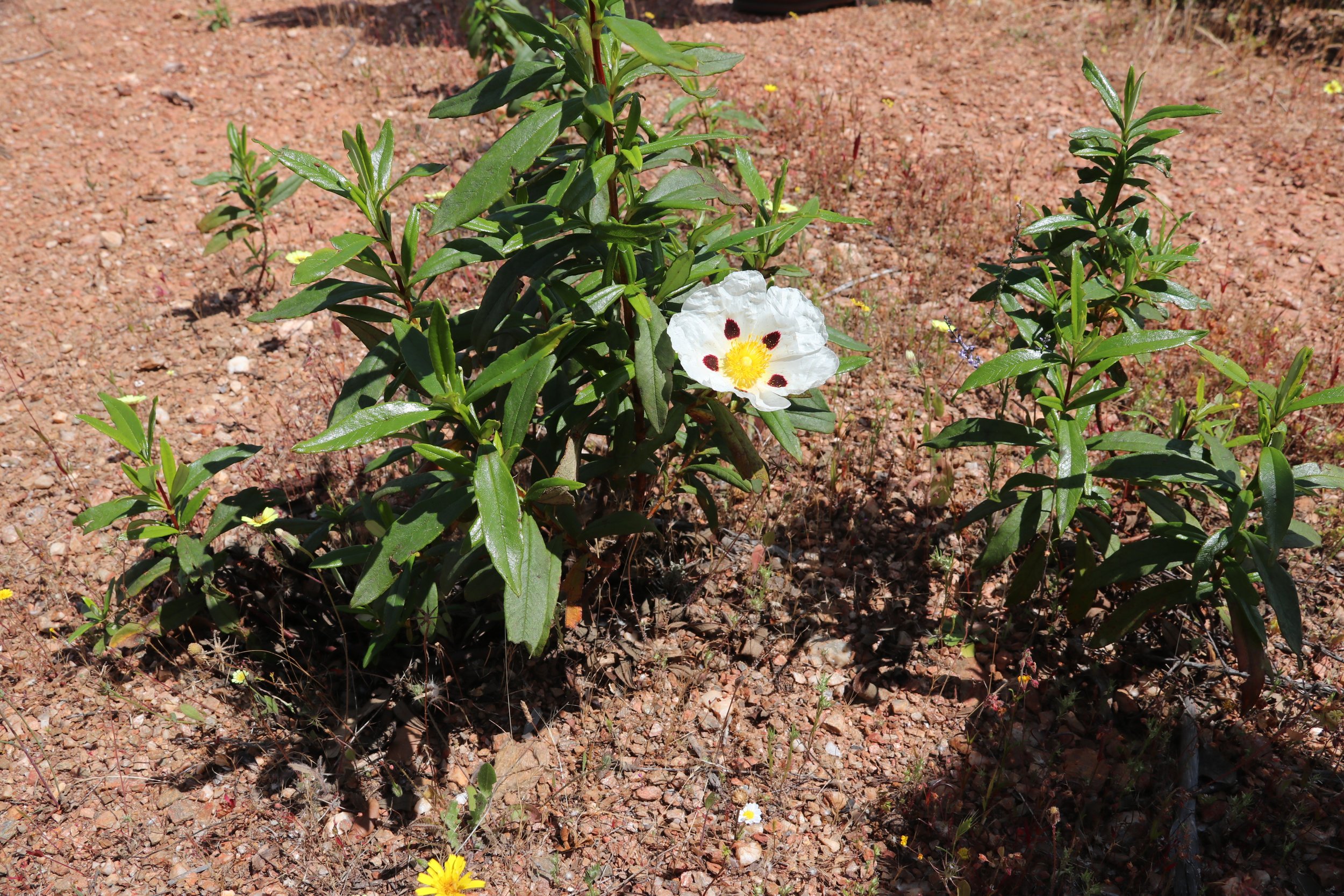
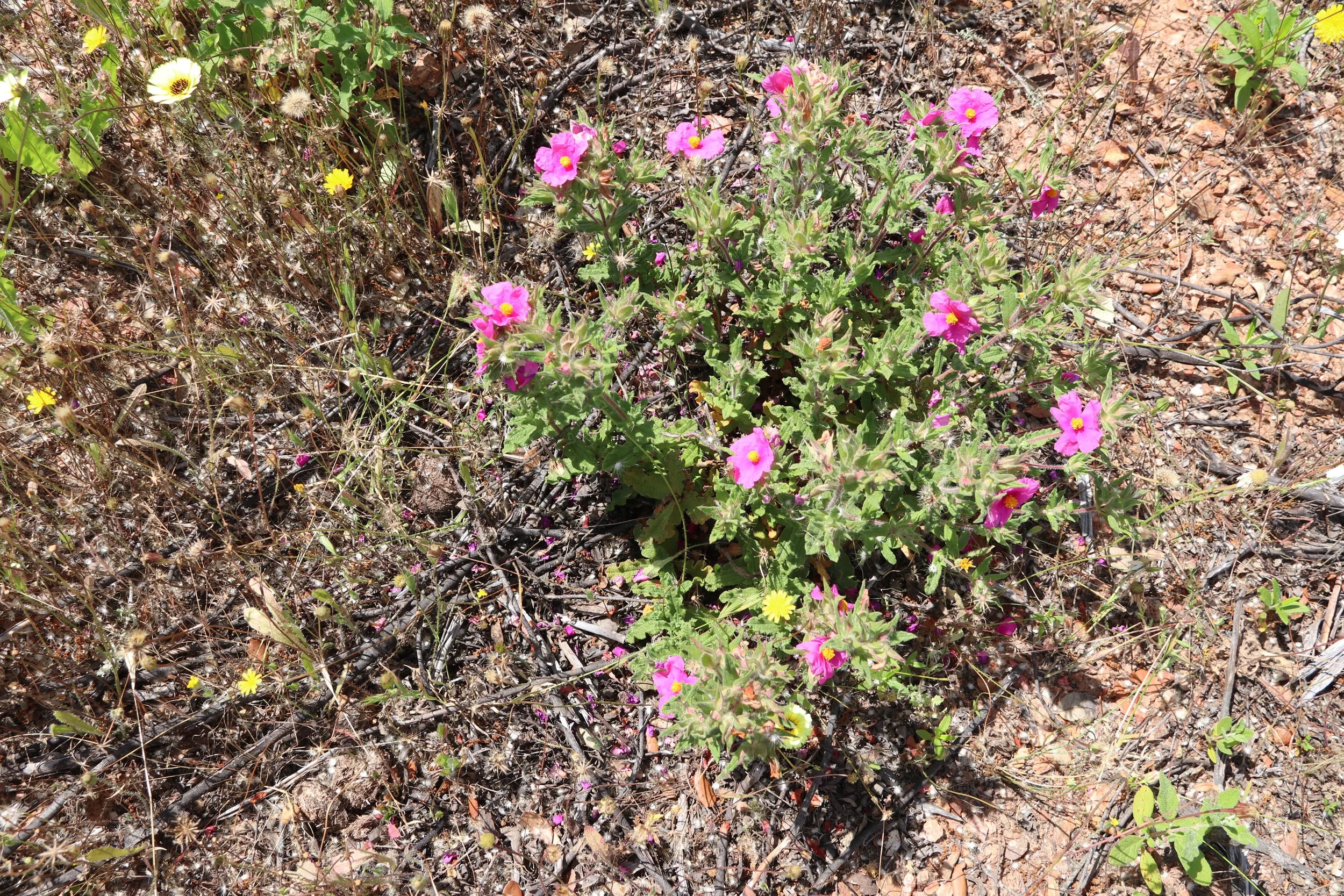
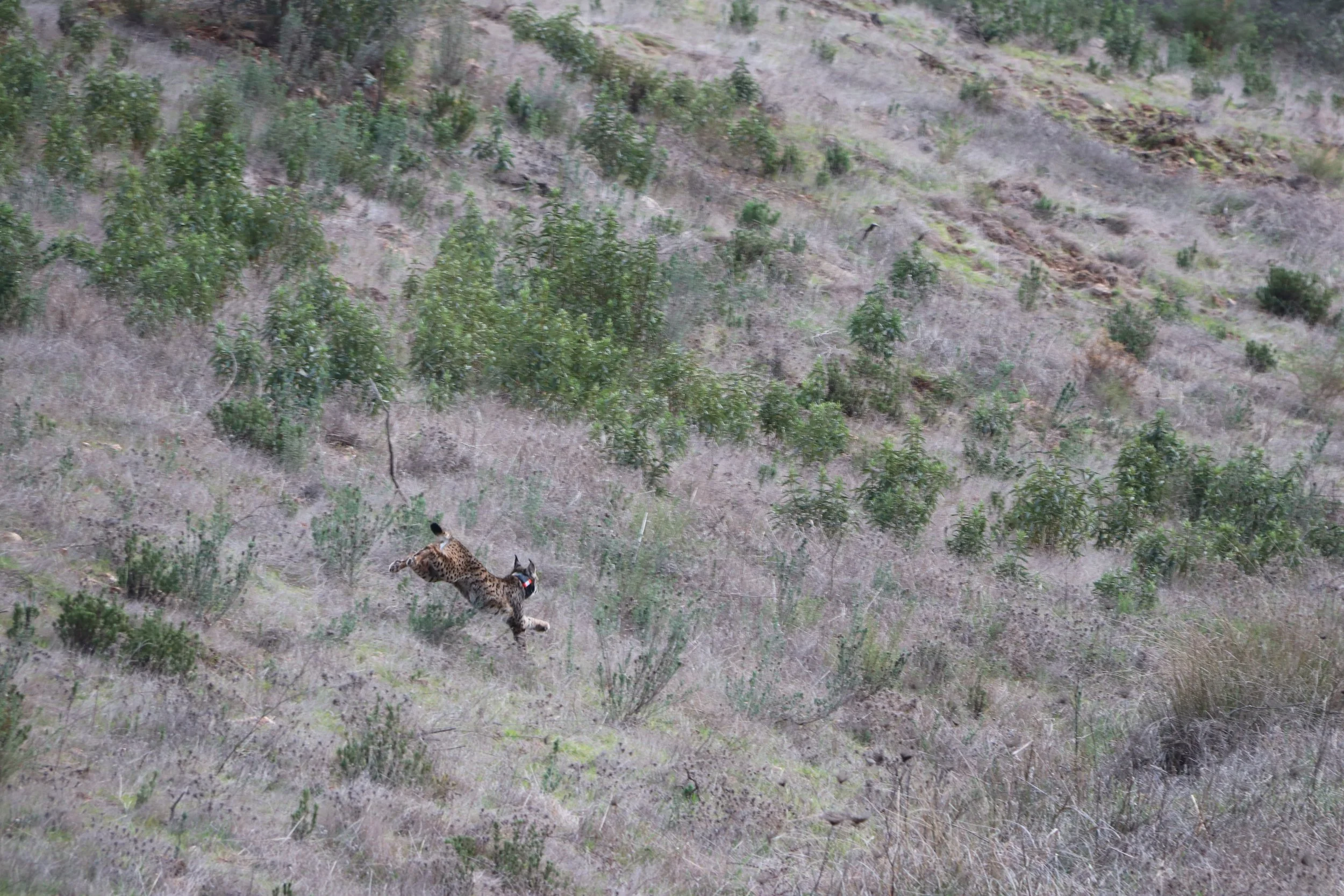
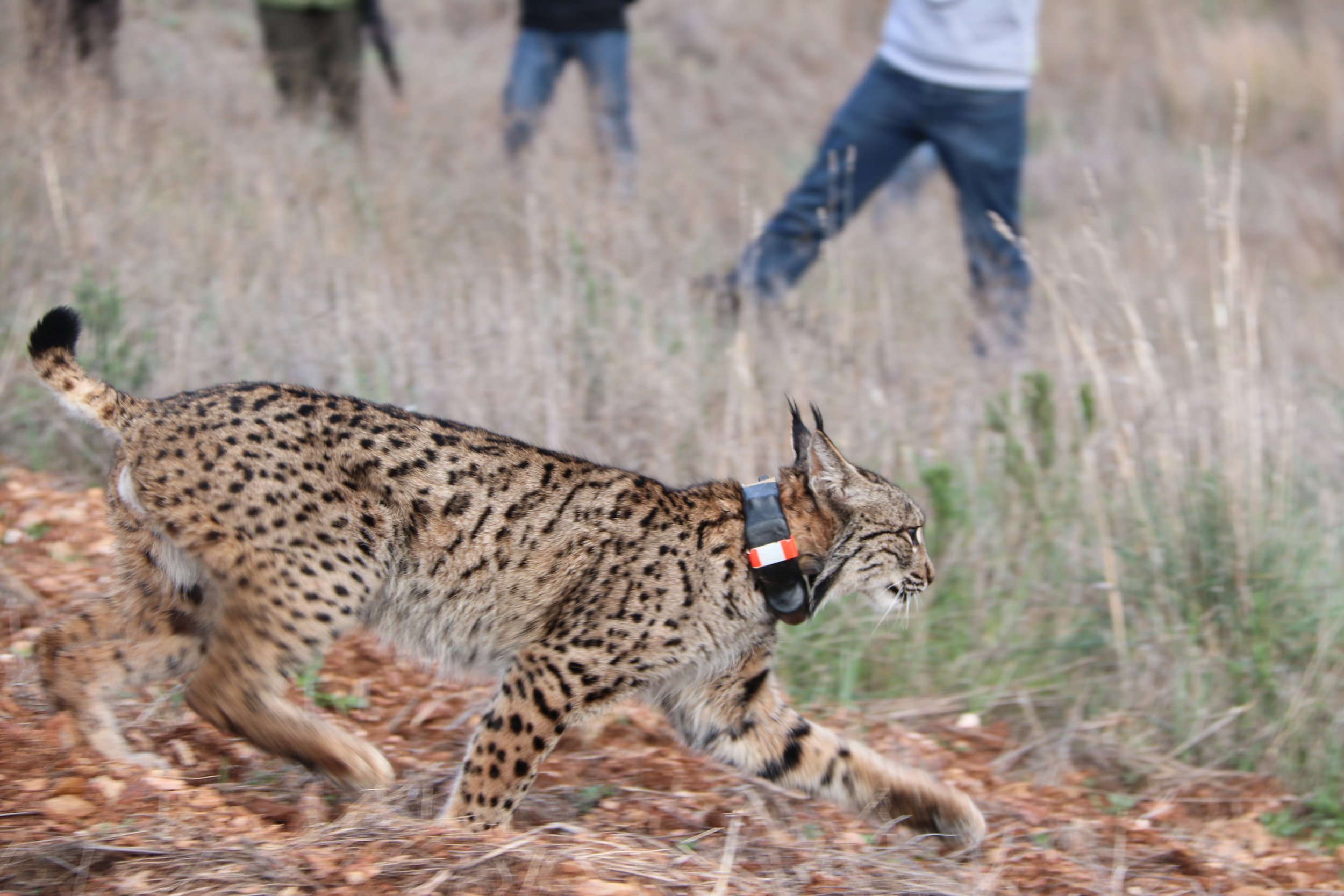
The system is also characterized by high biodiversity and a vast array of cultural heritage elements.
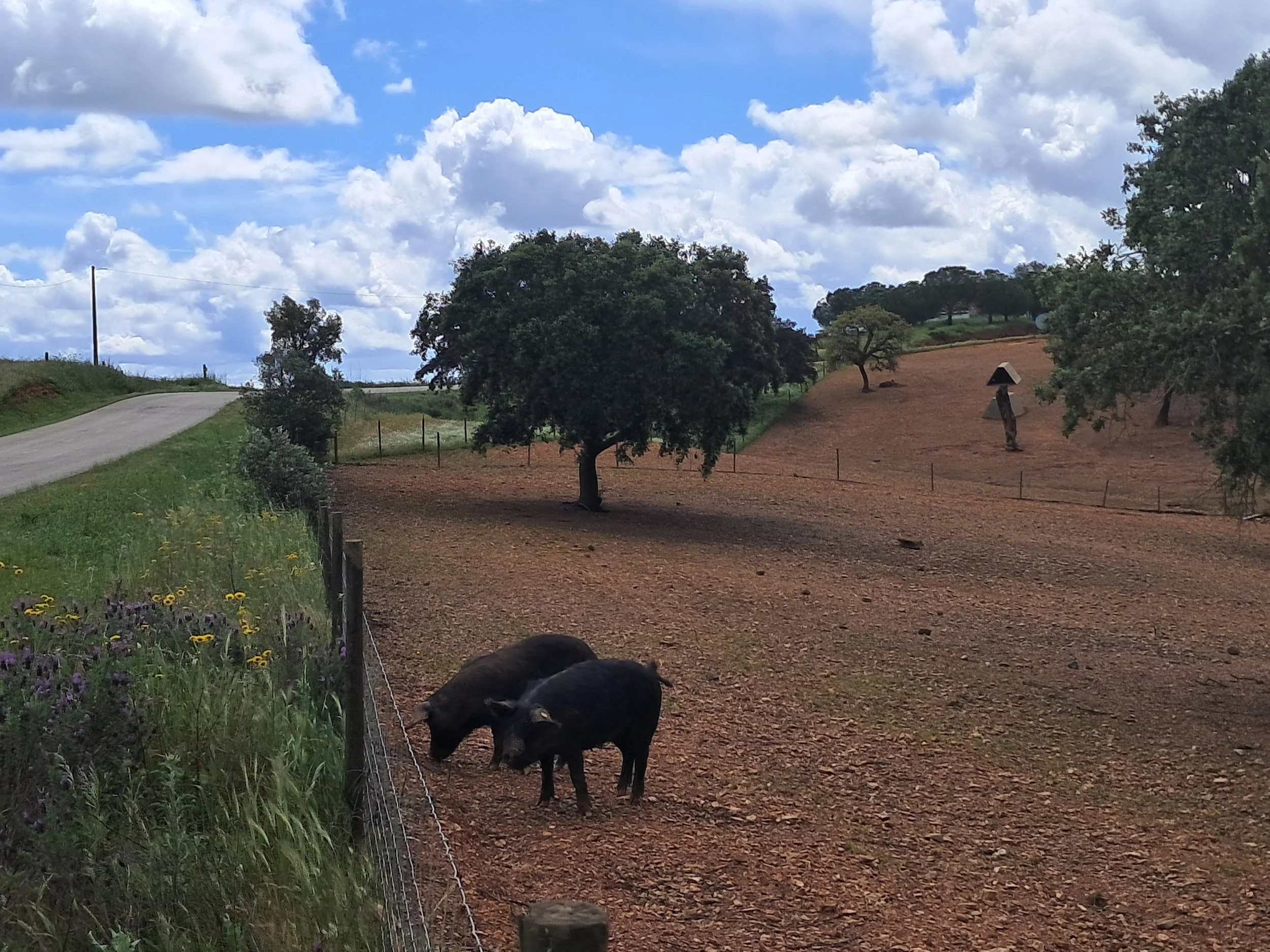
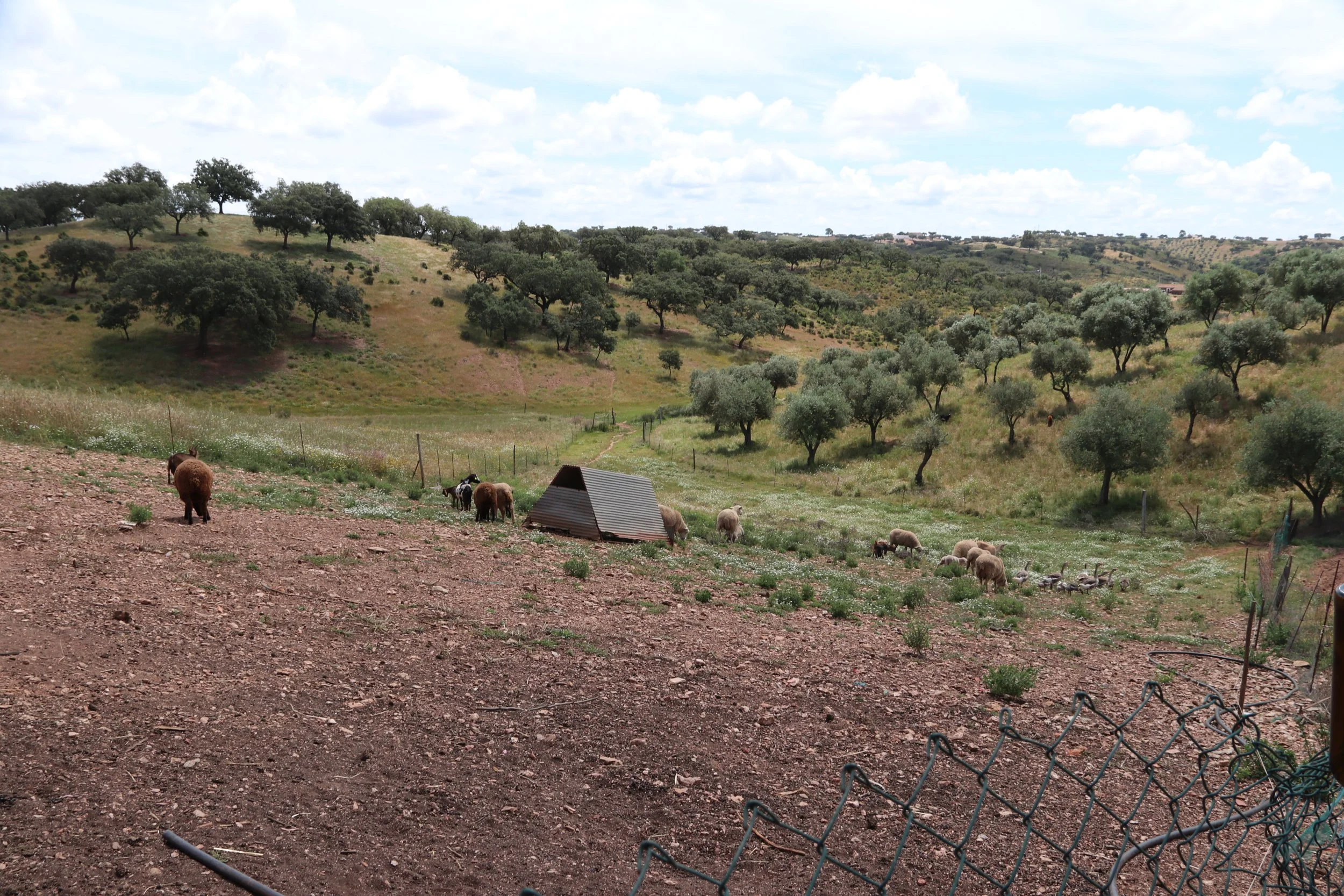
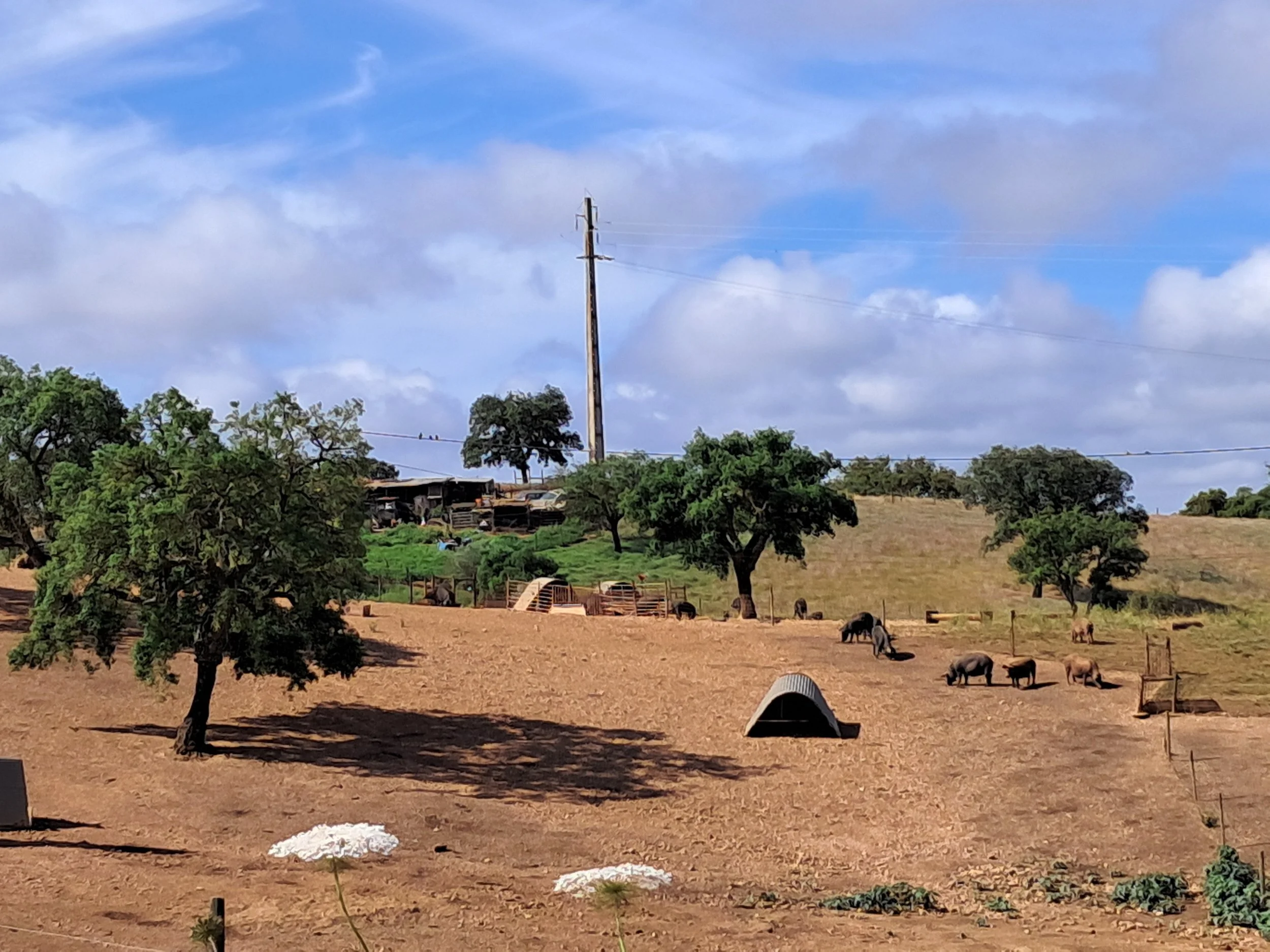
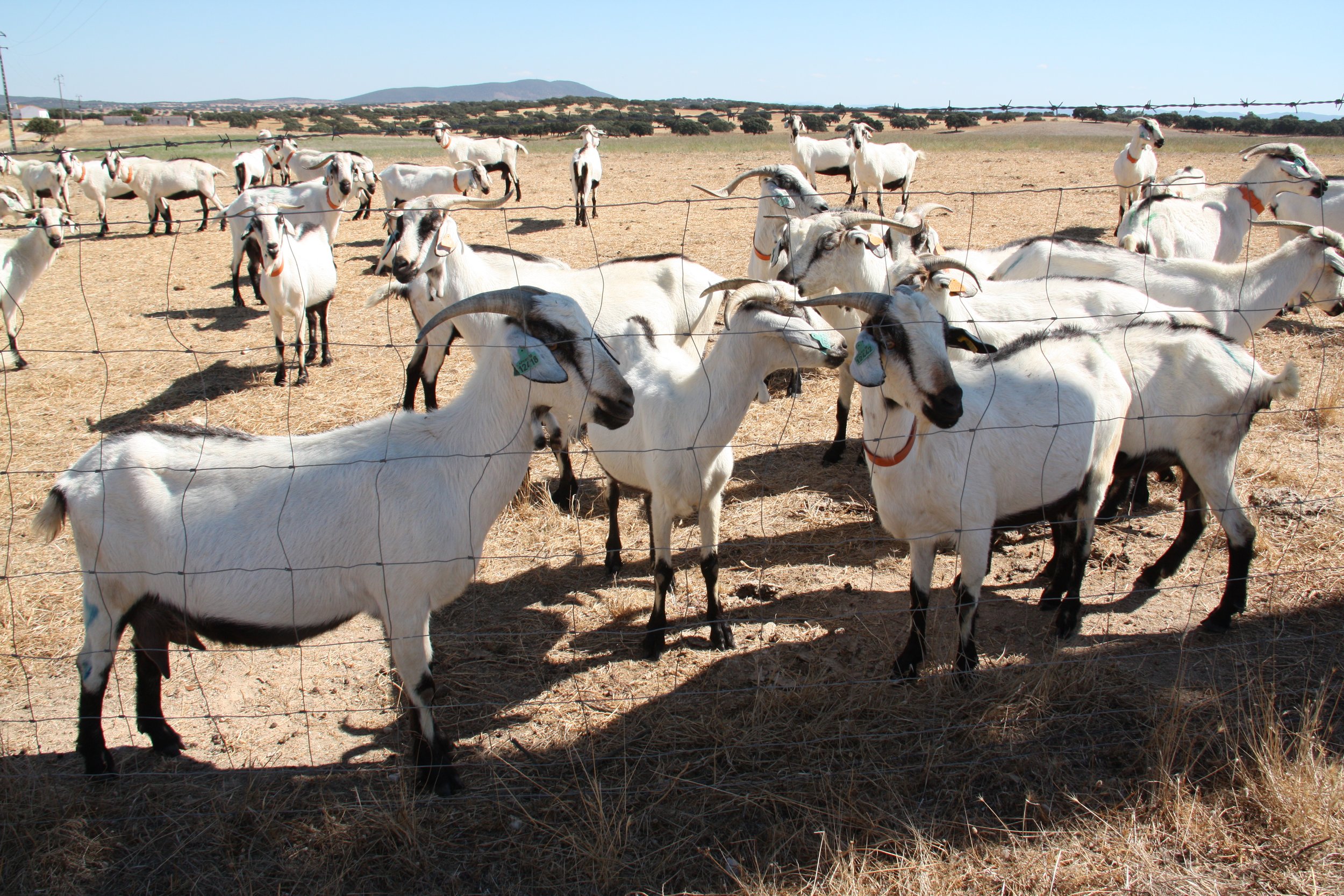
O Montado da Serra de Serpa
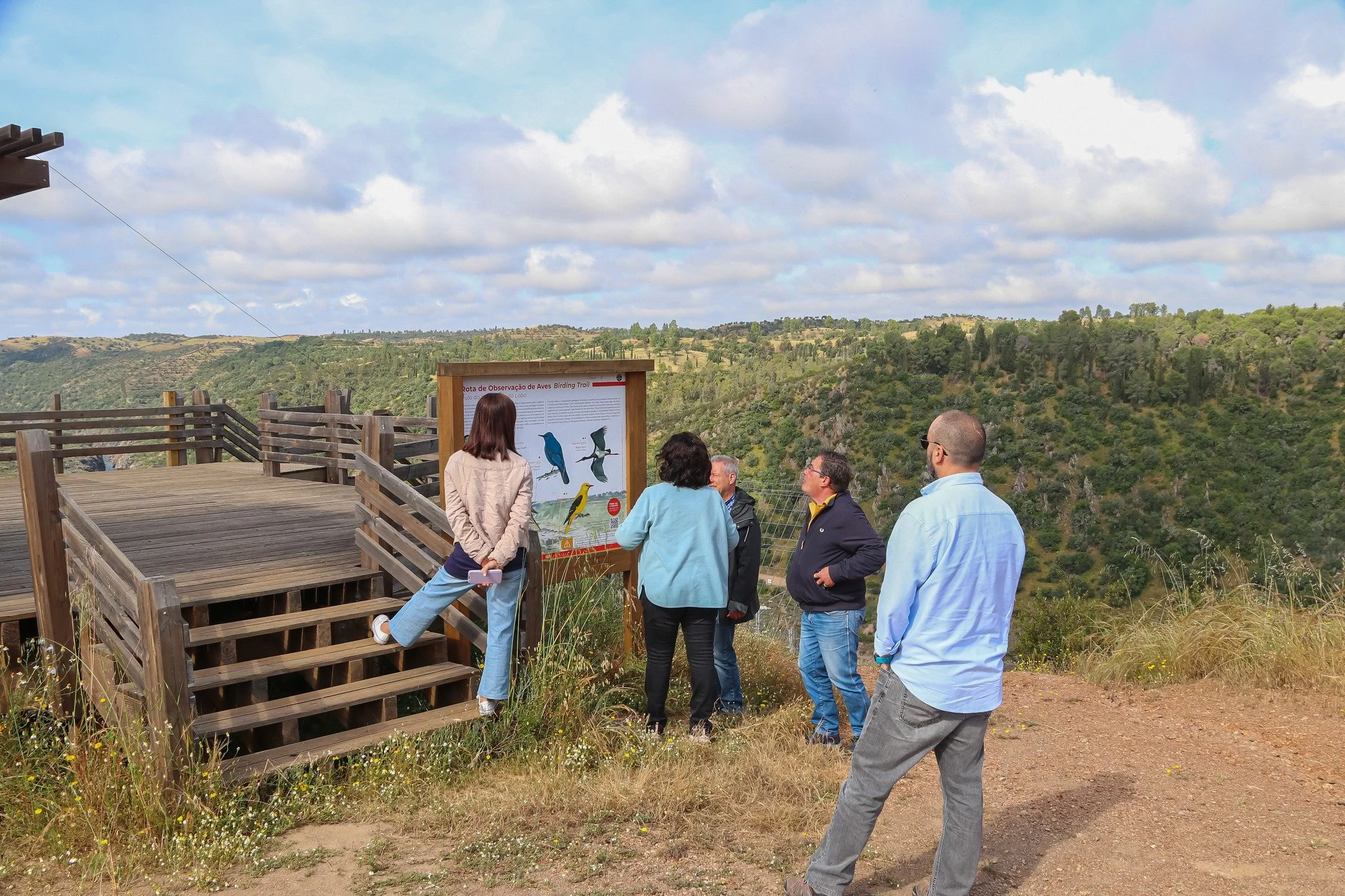
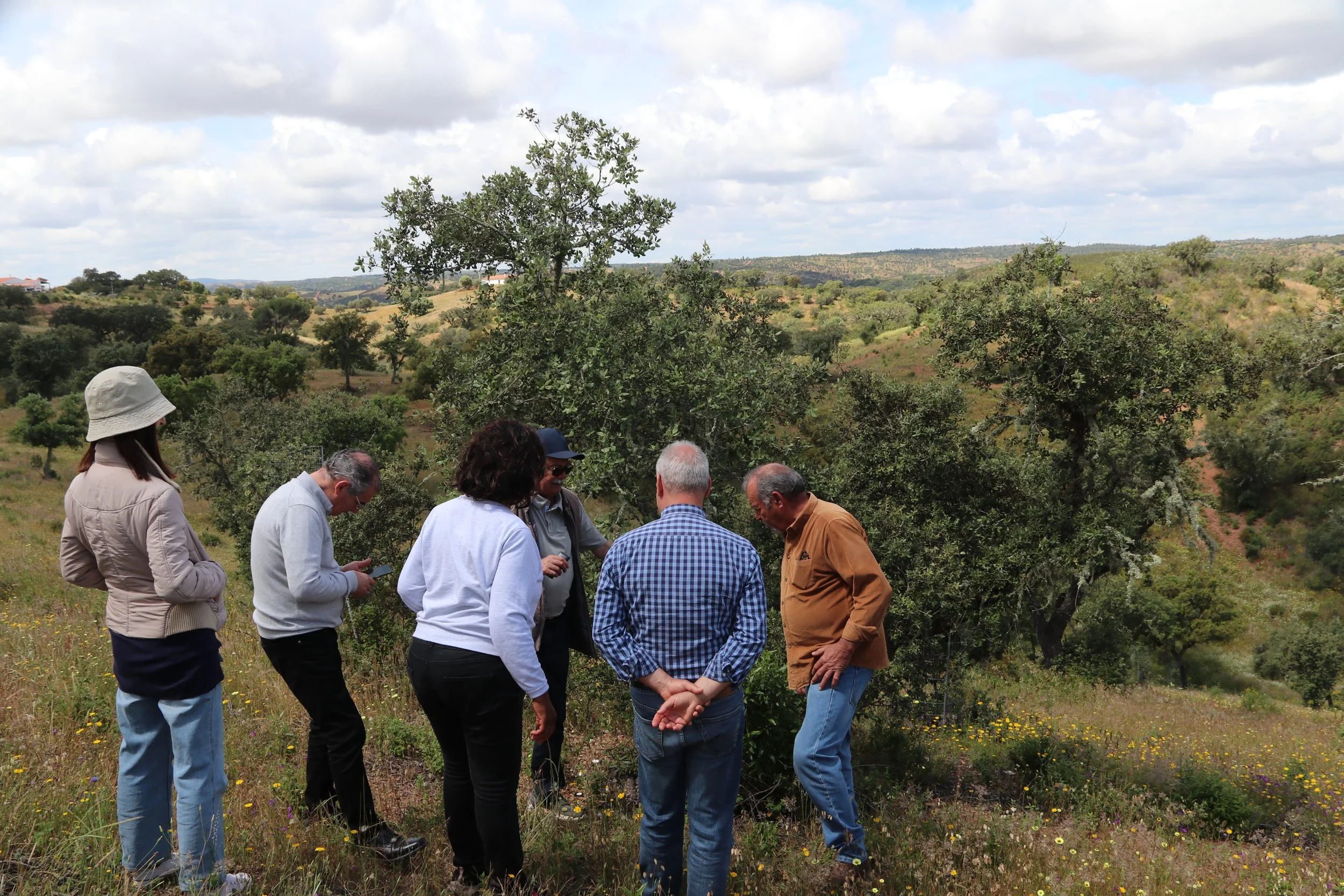
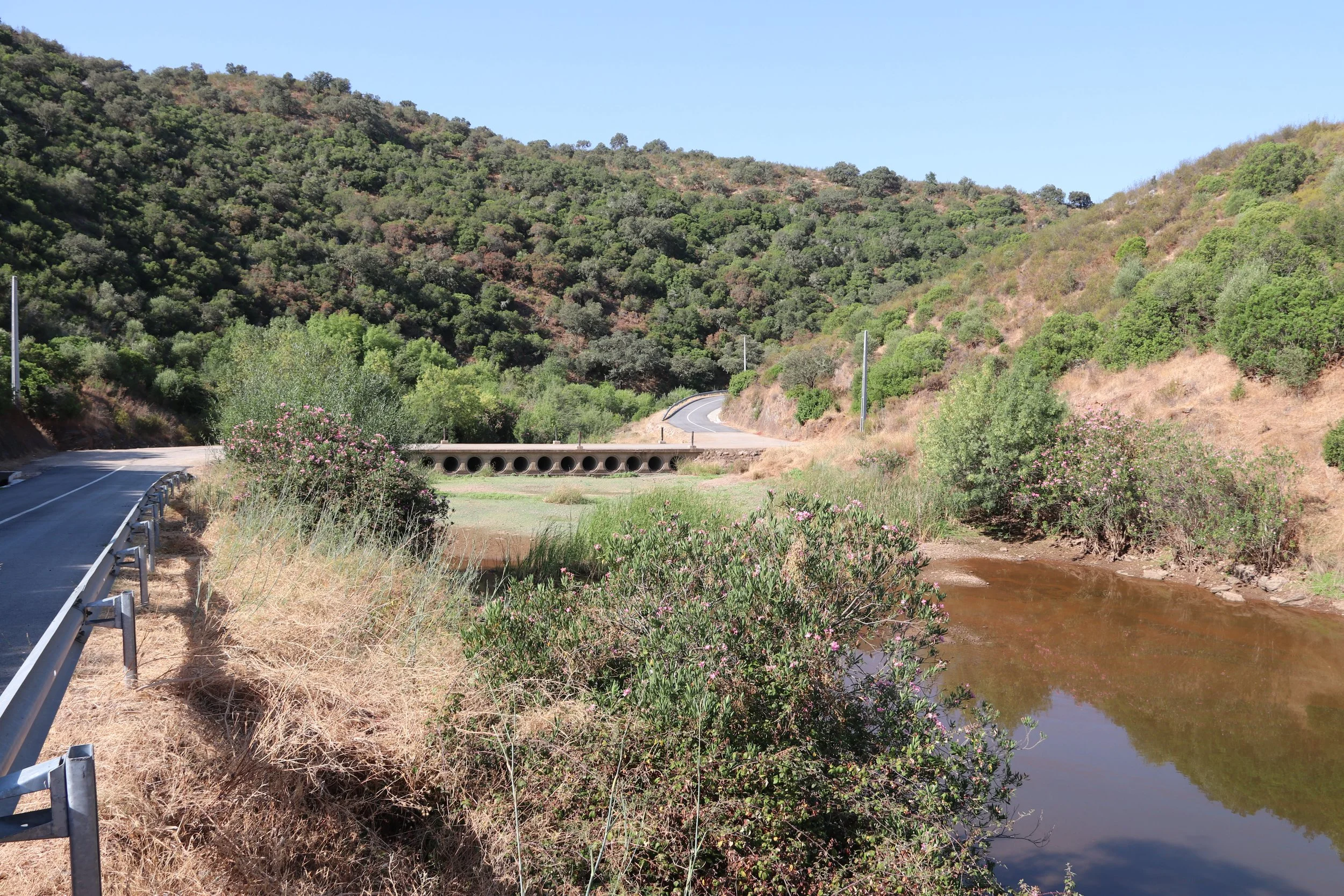
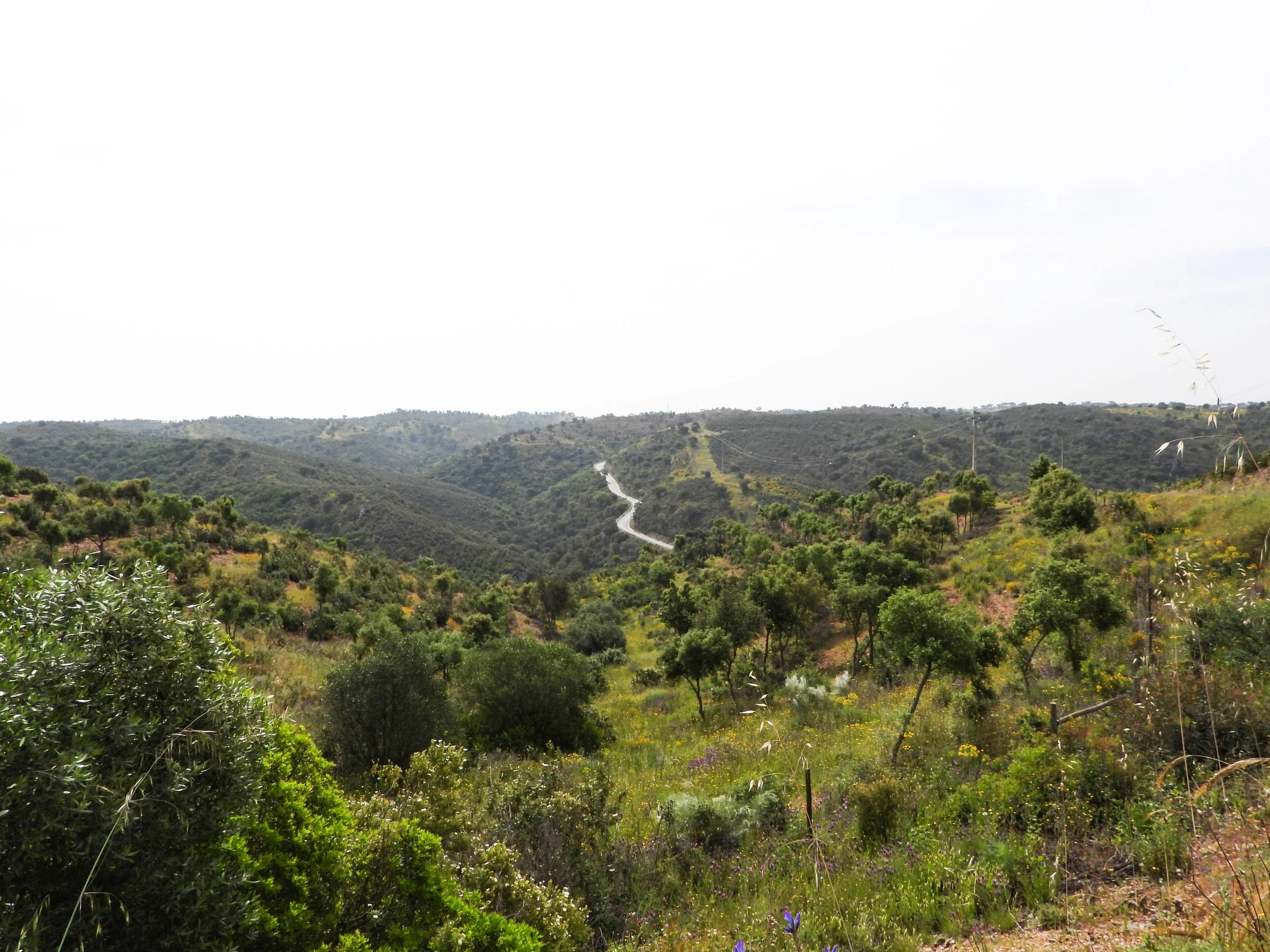
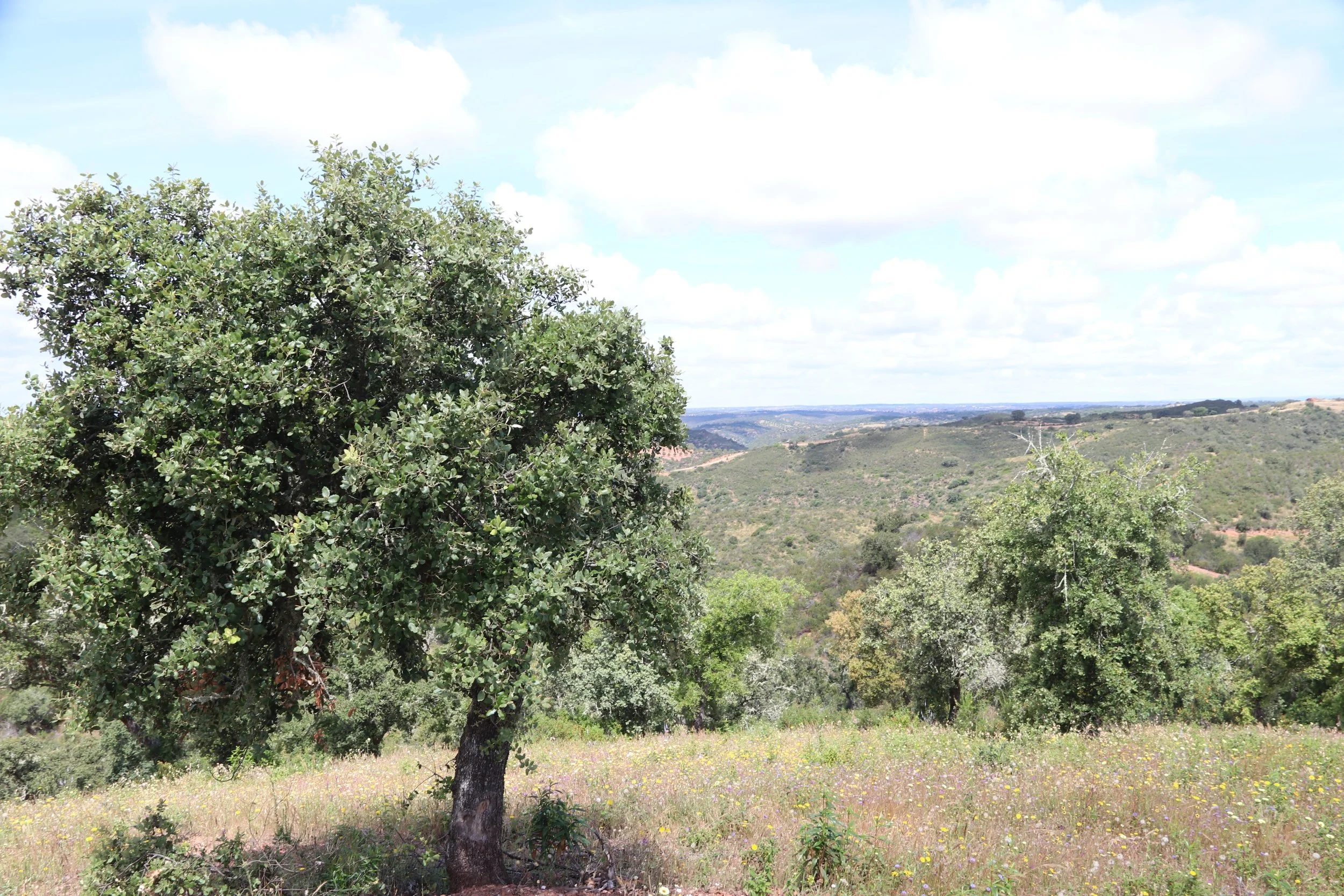
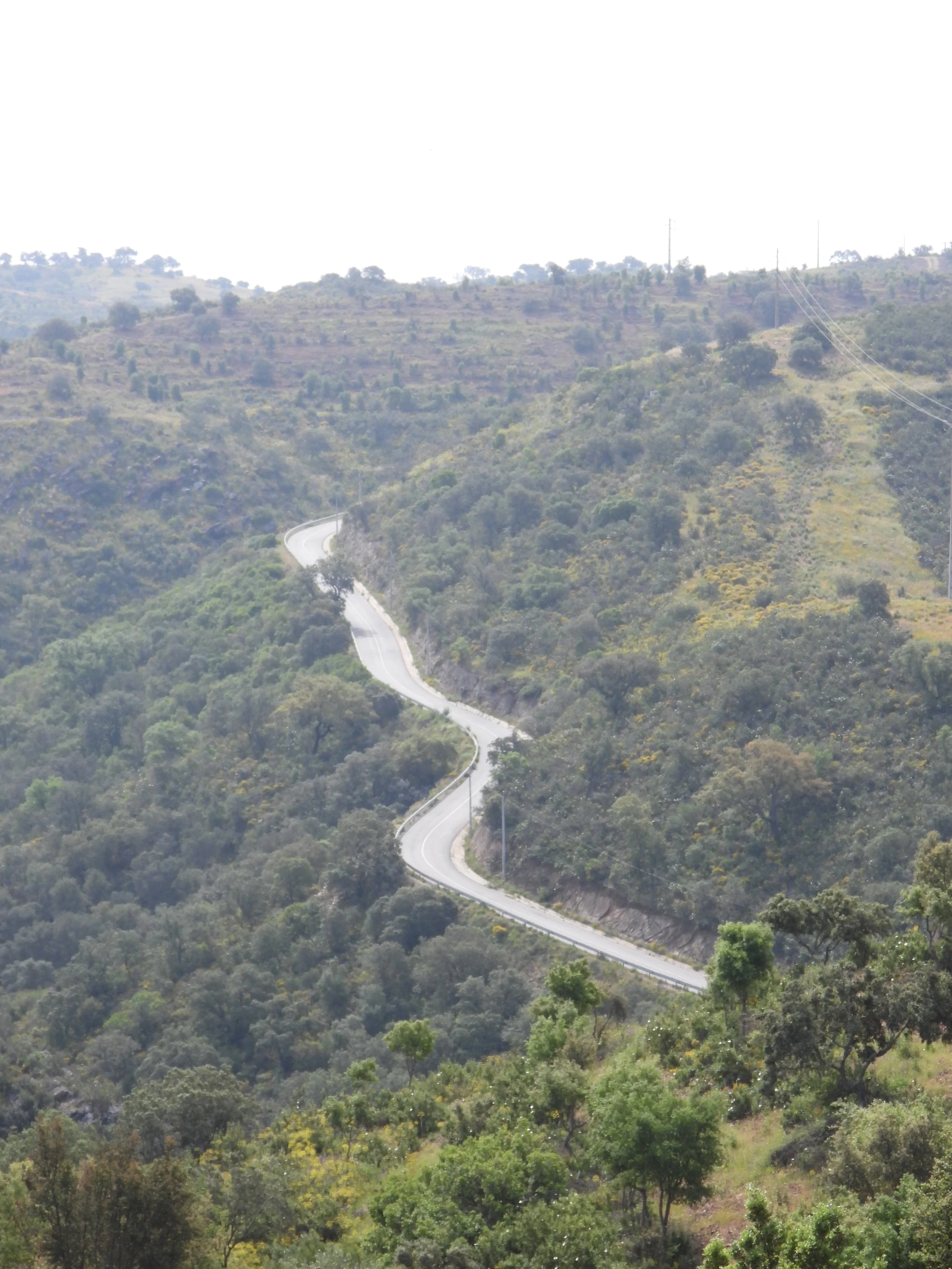
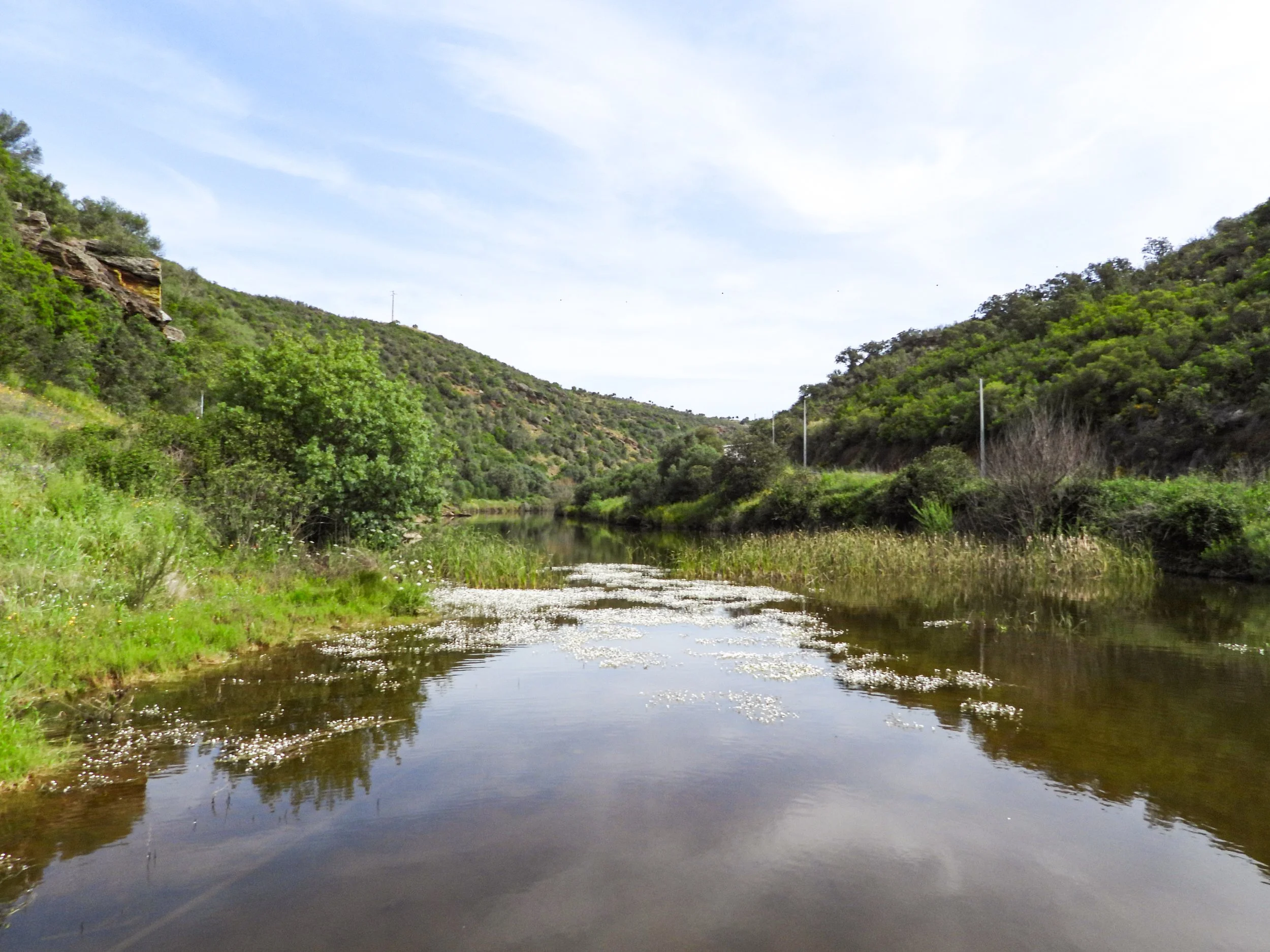
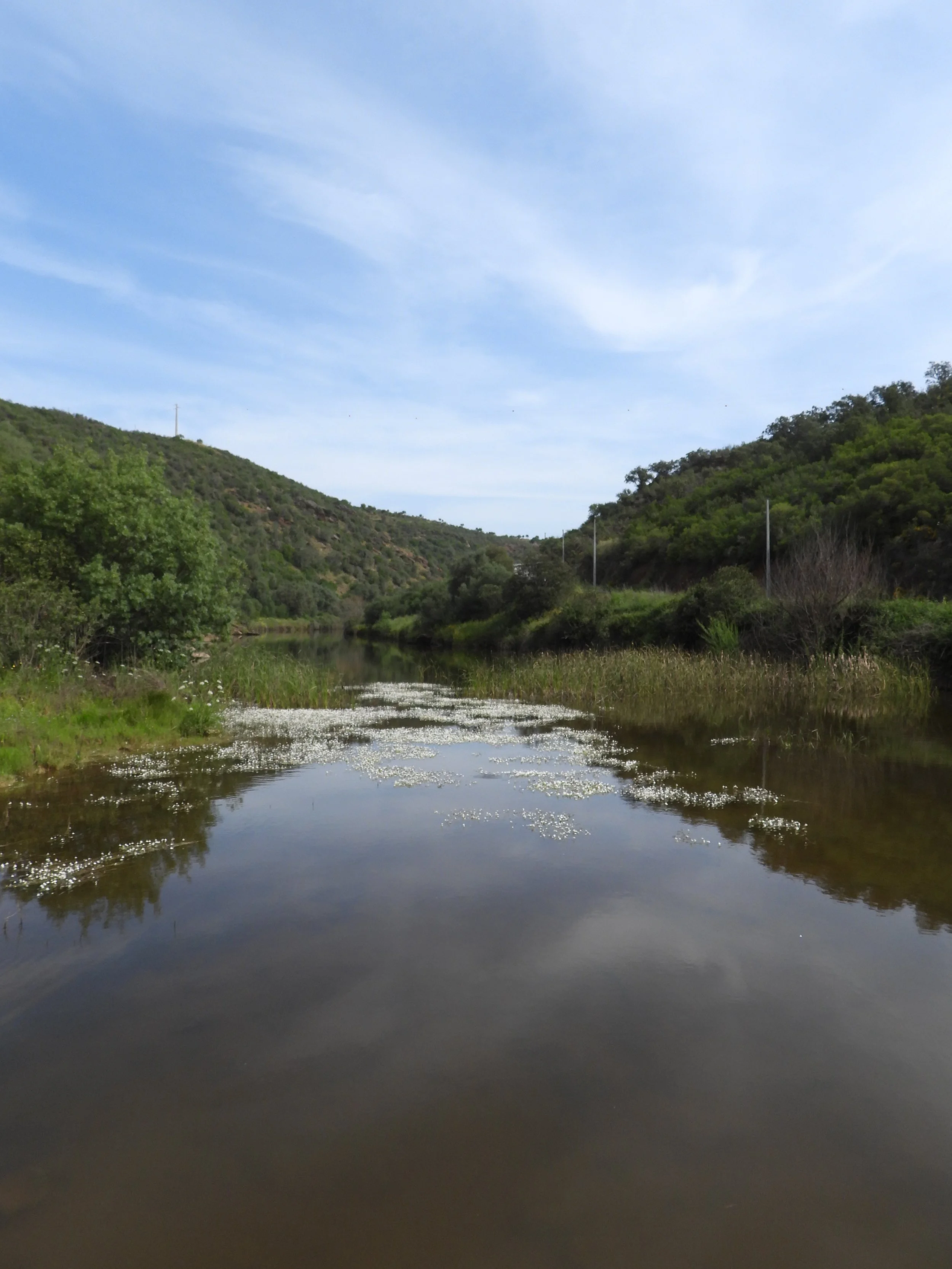
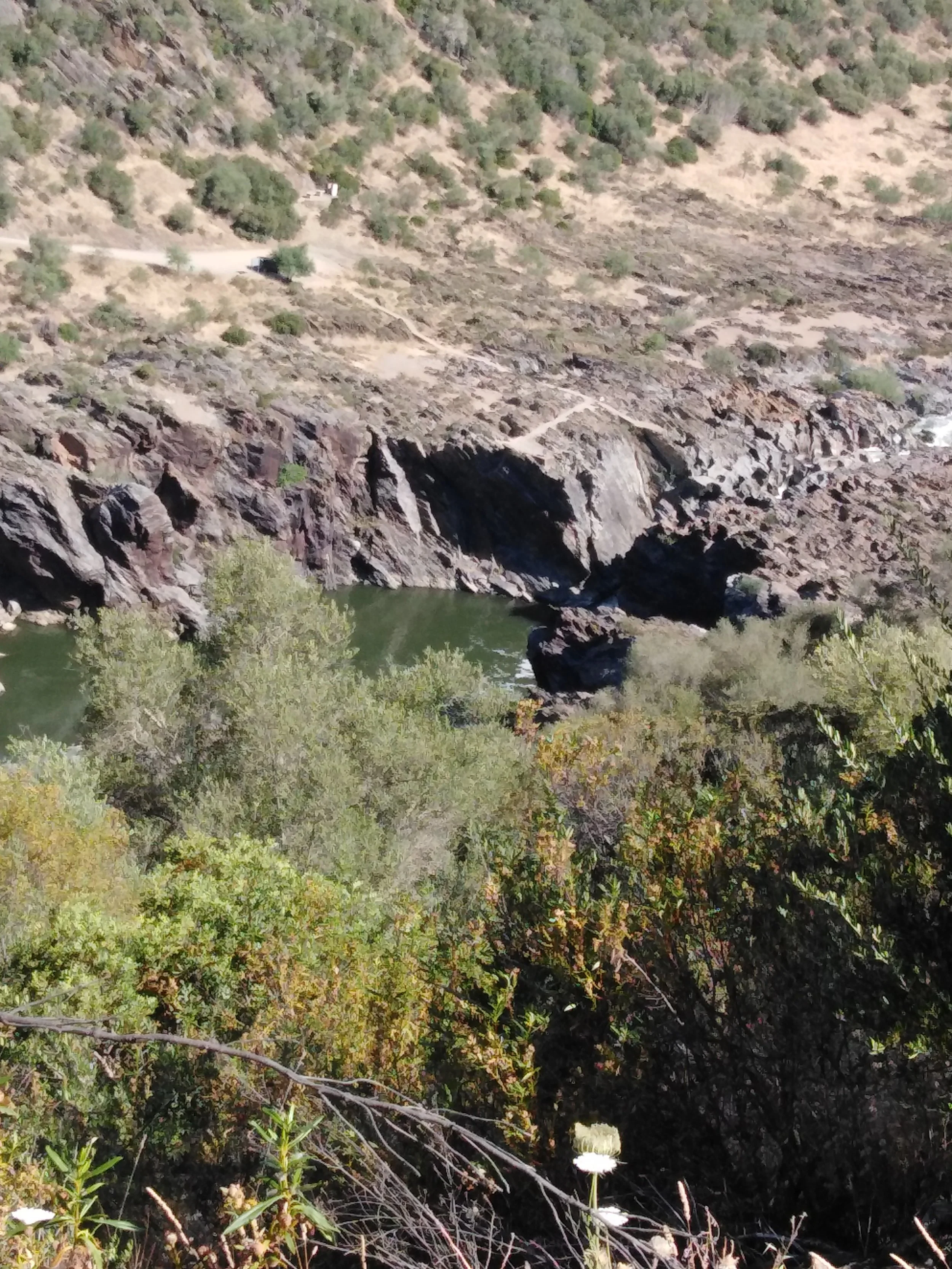
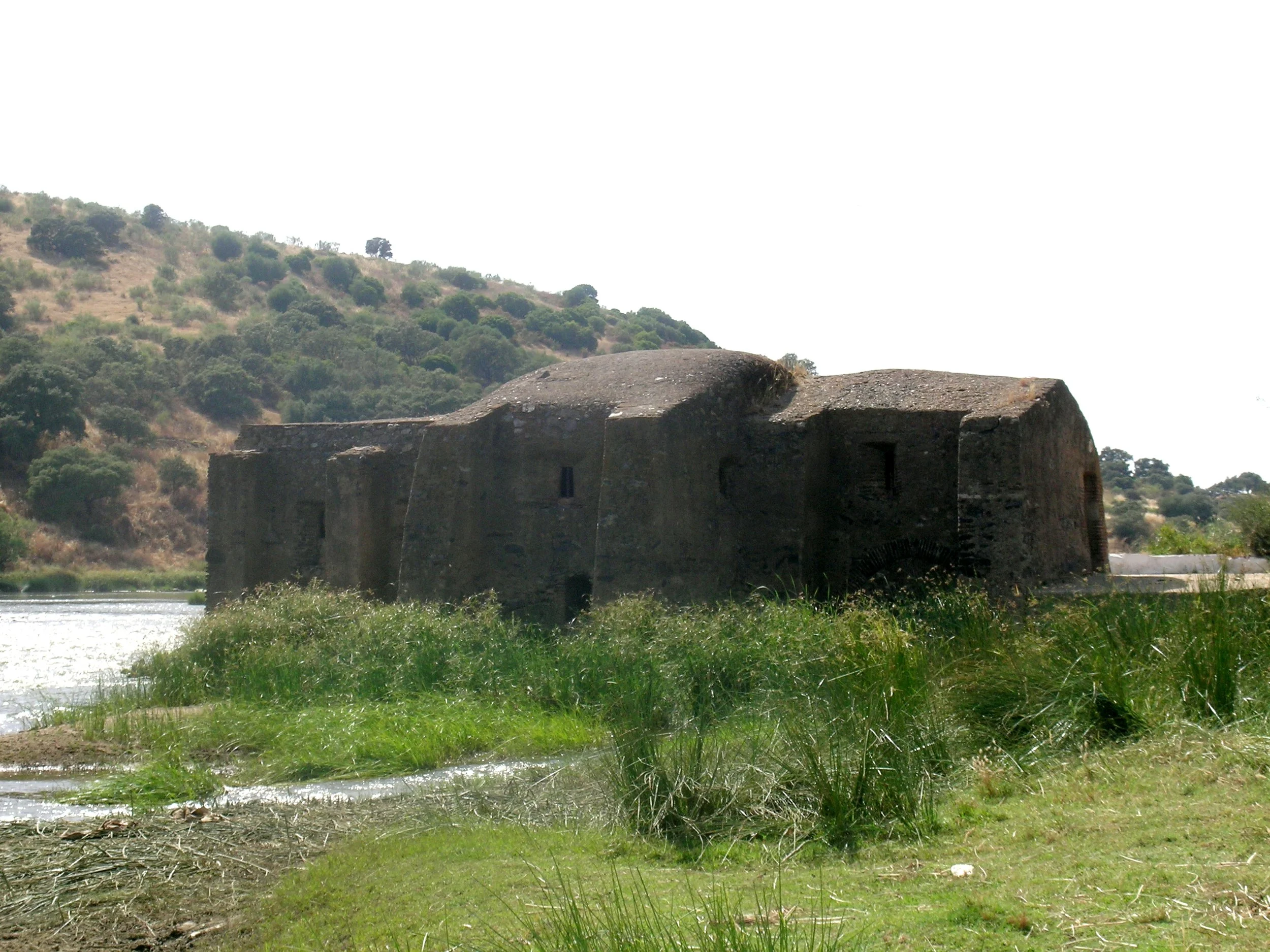
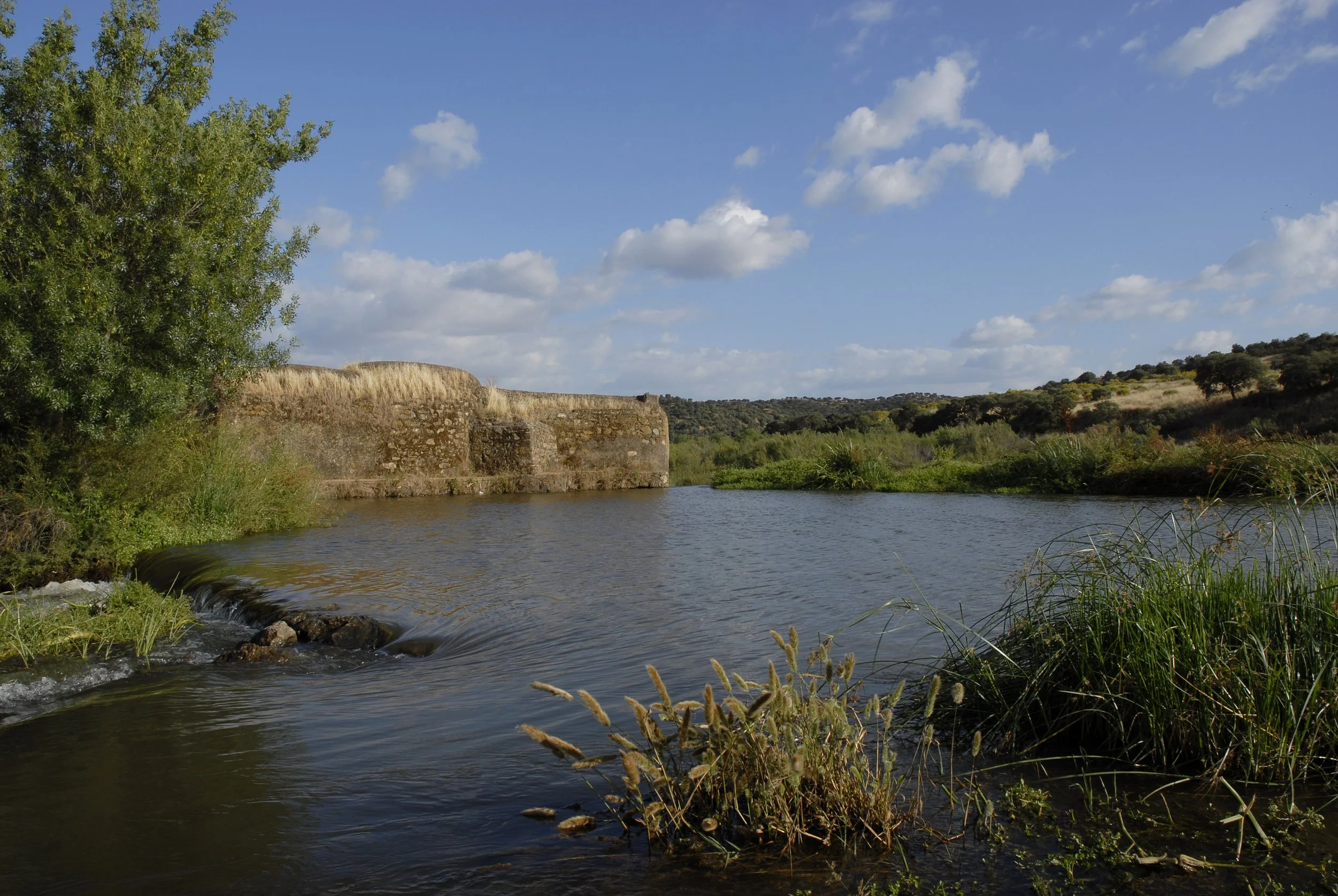
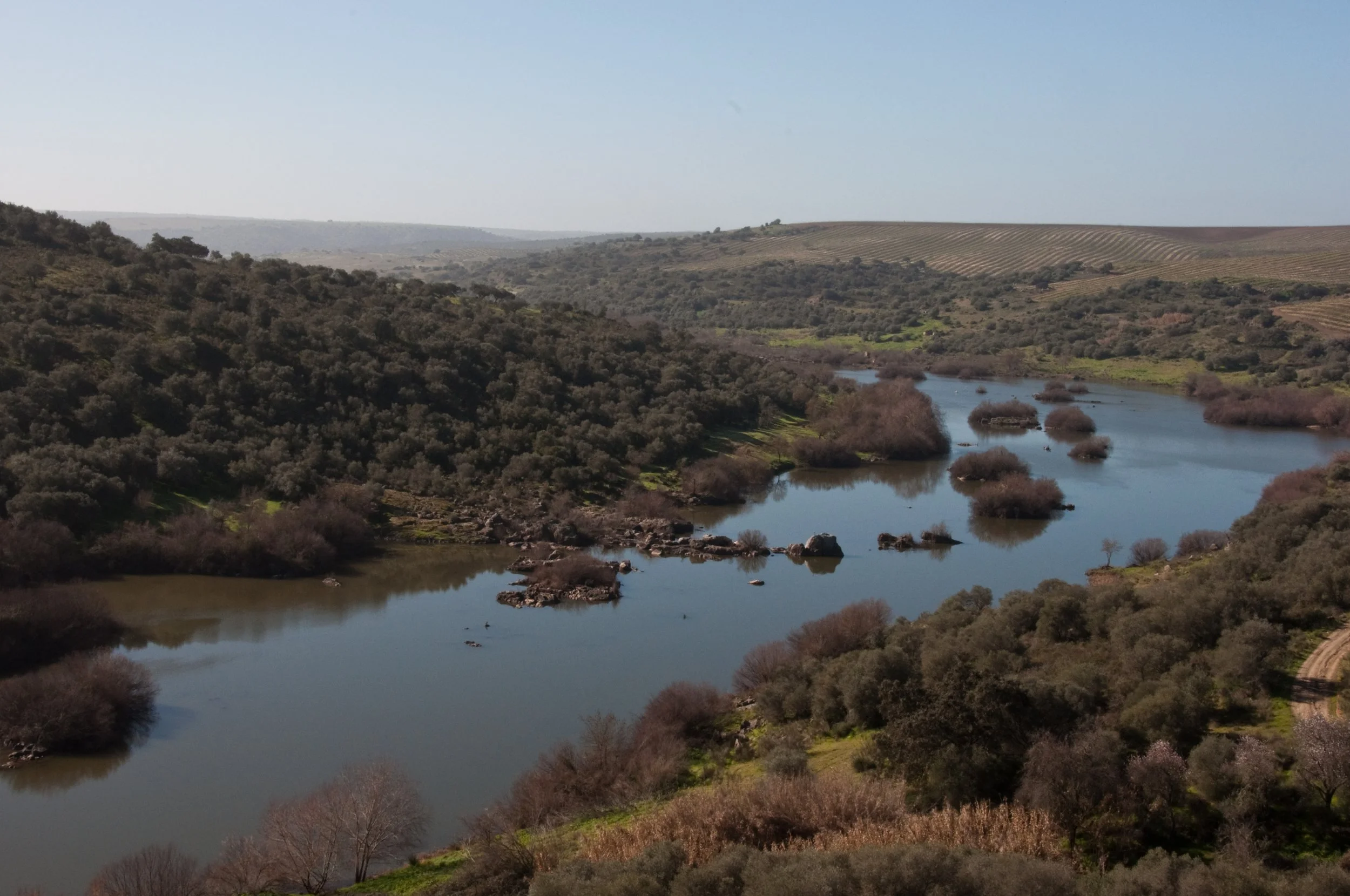
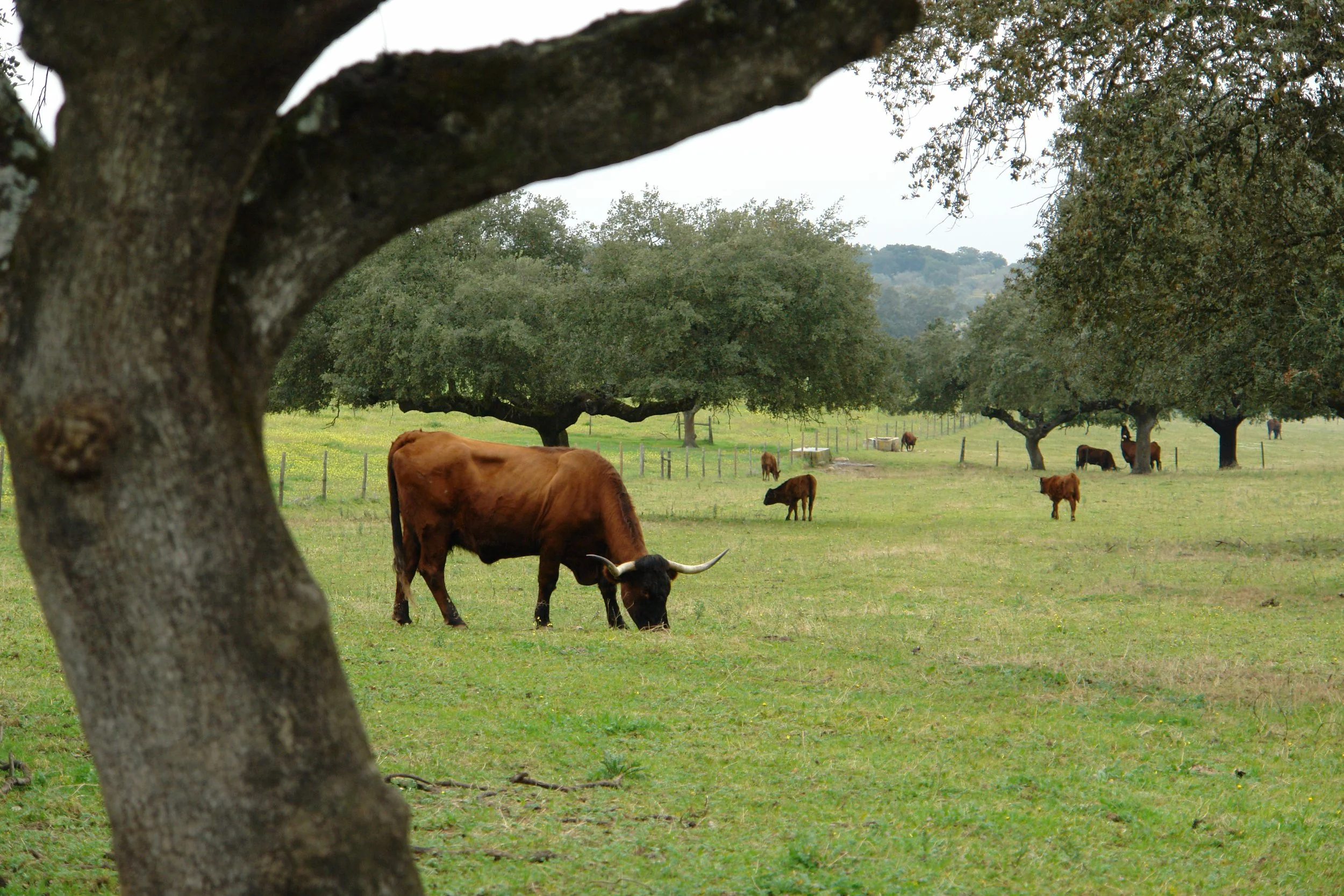
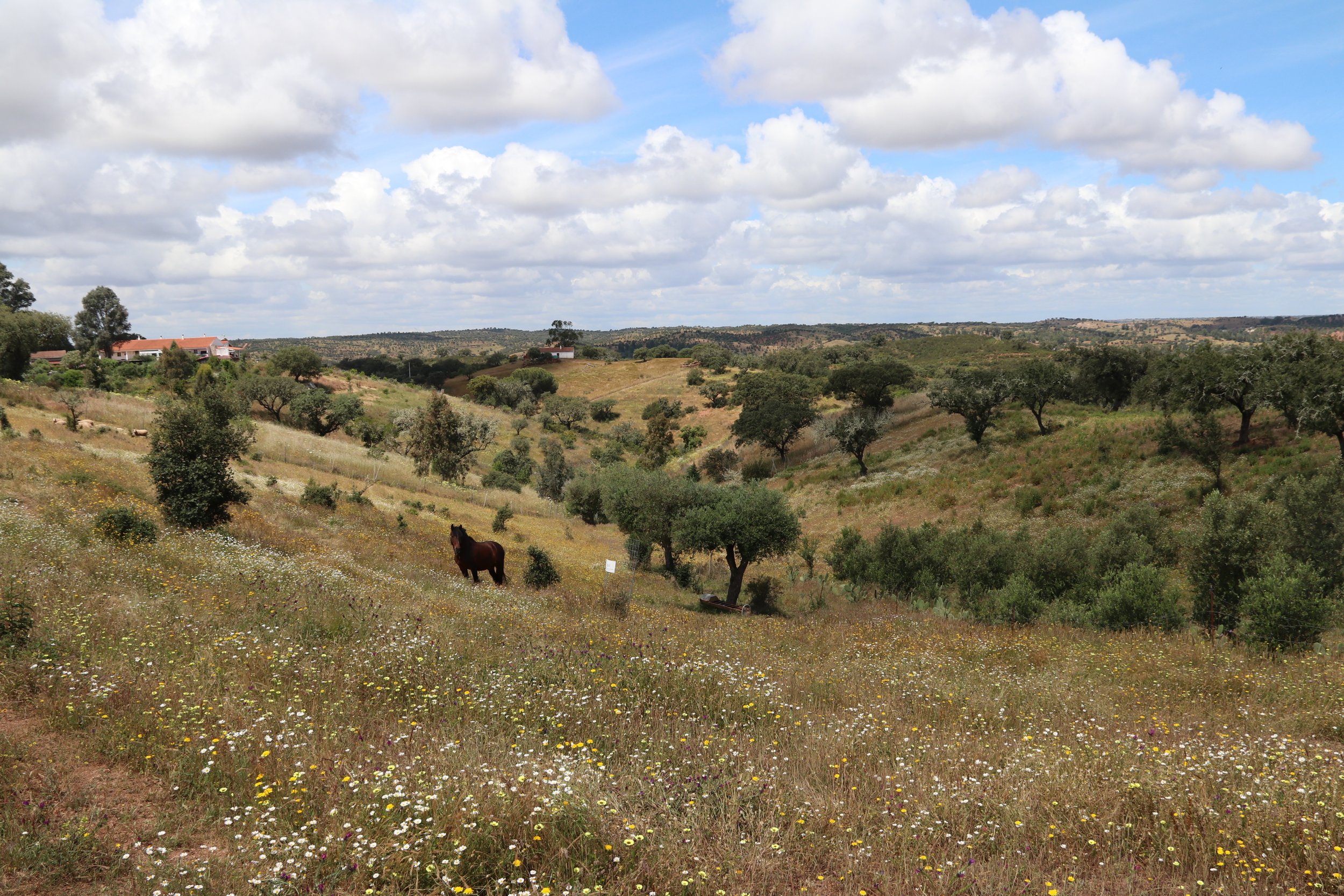
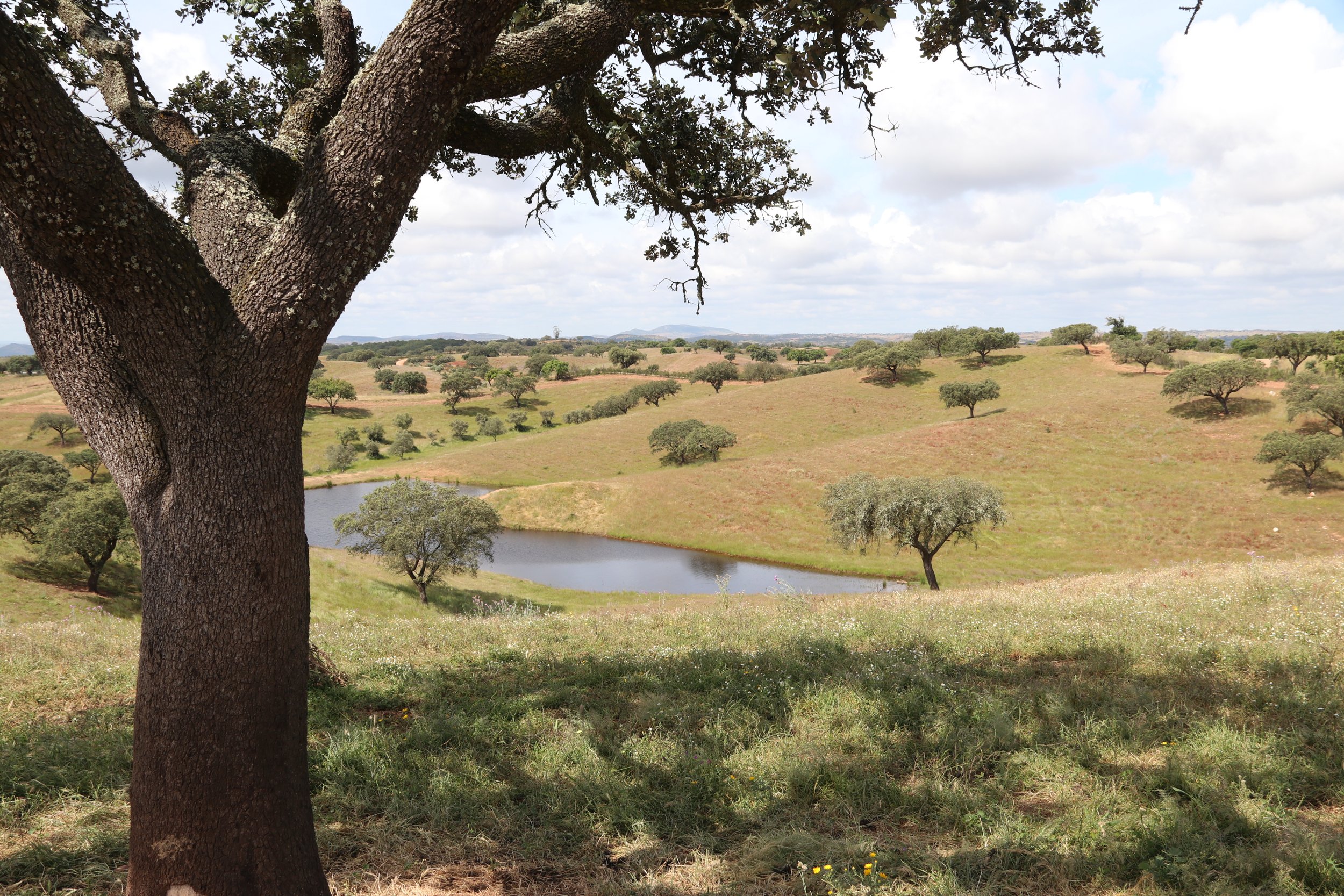
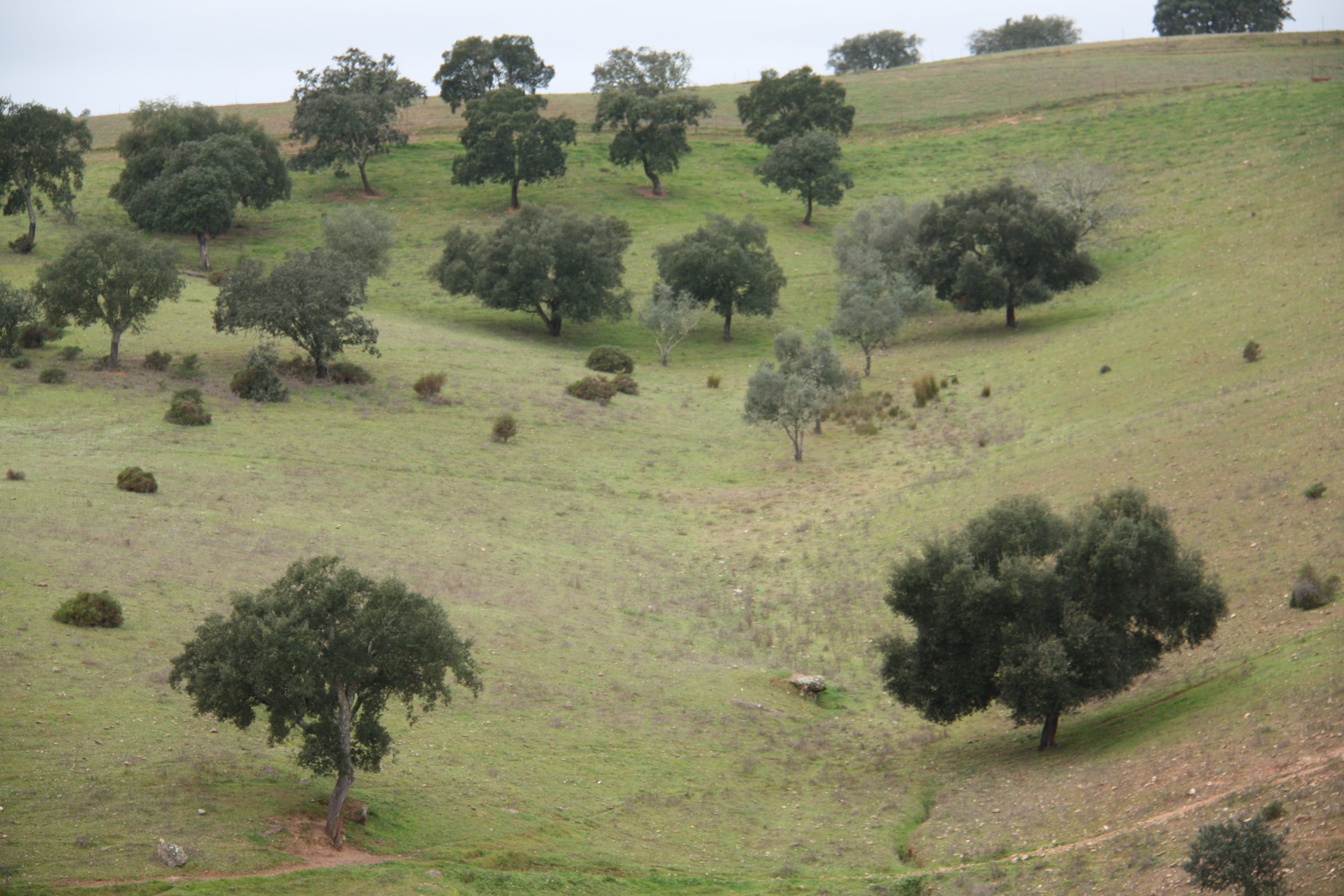
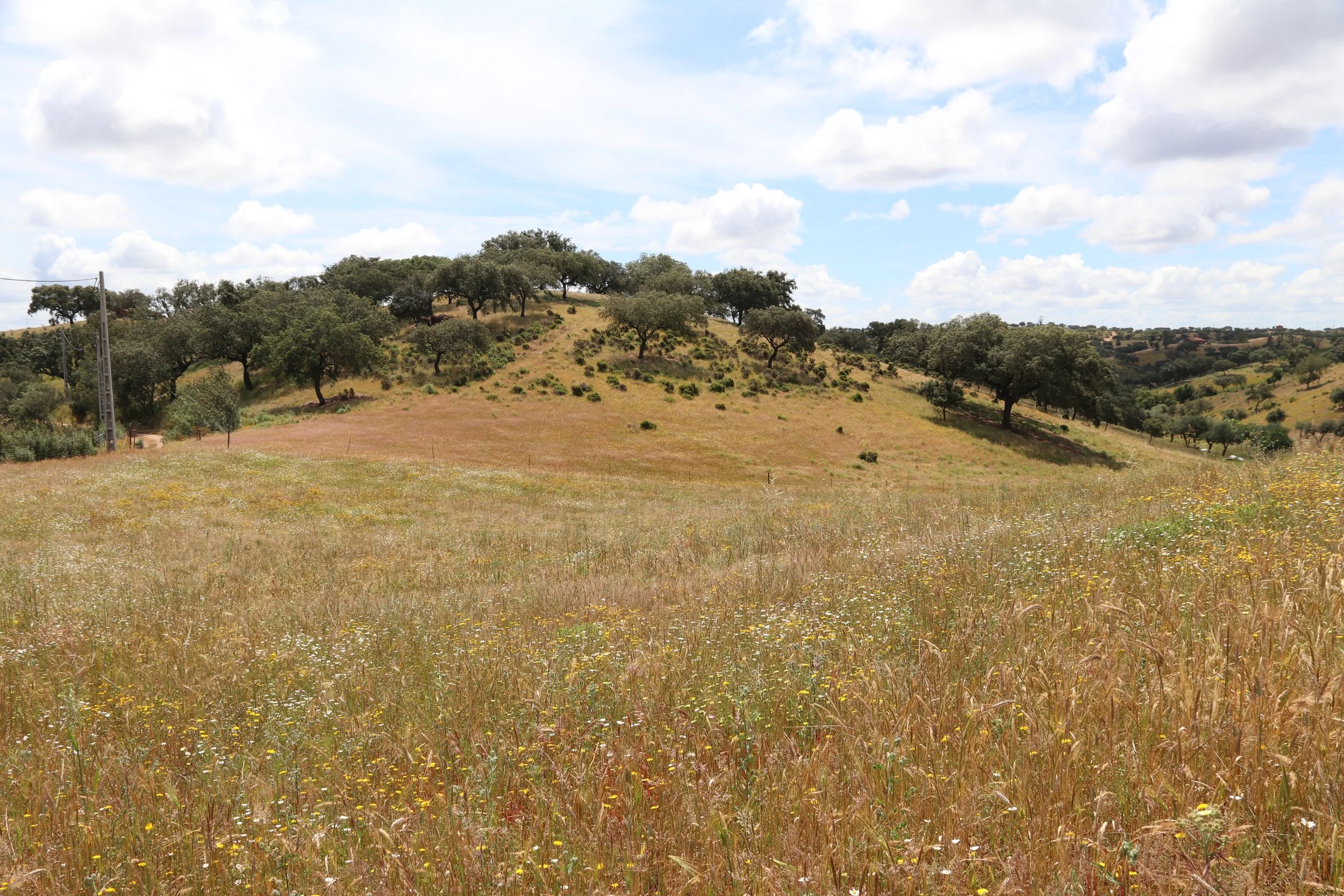
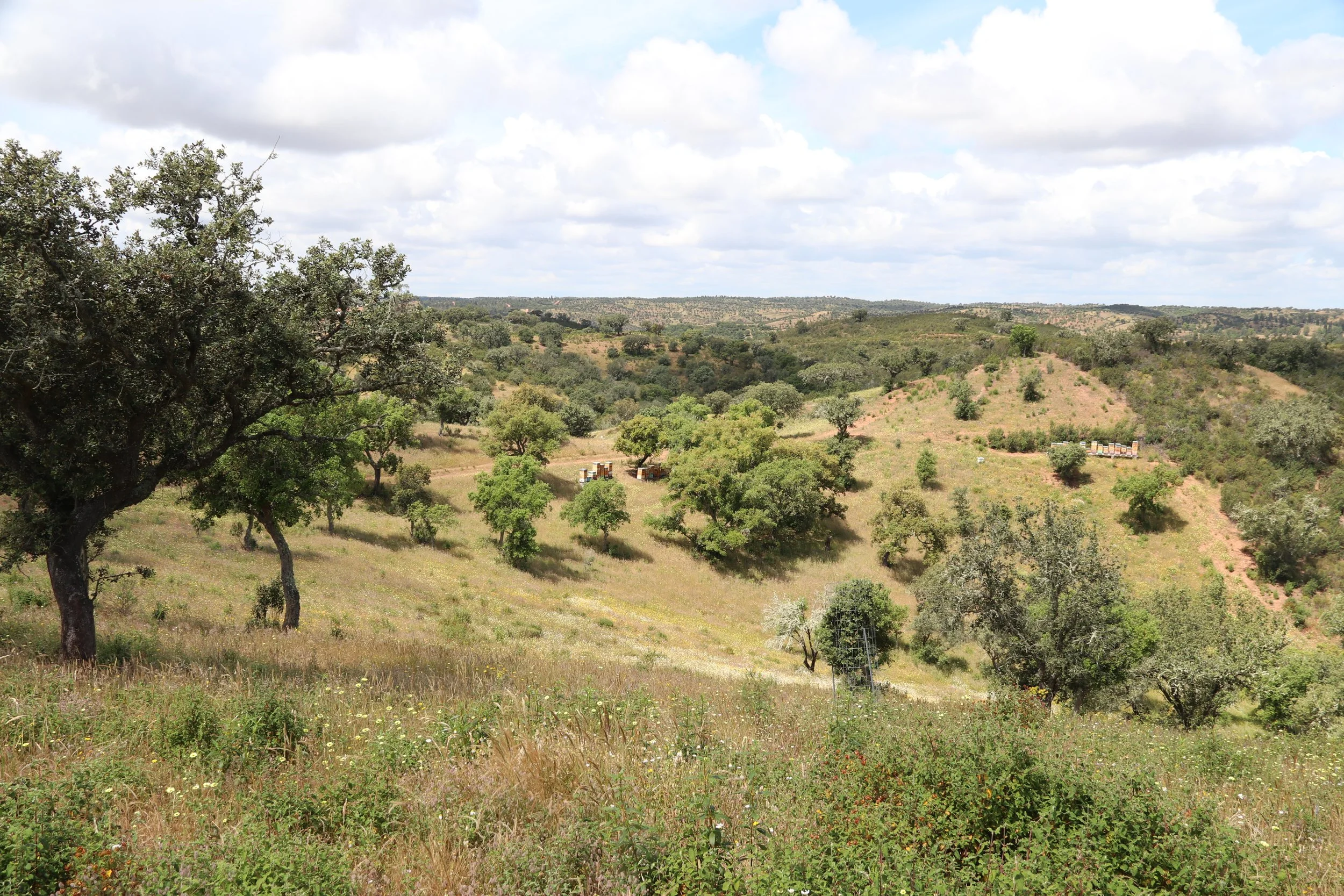
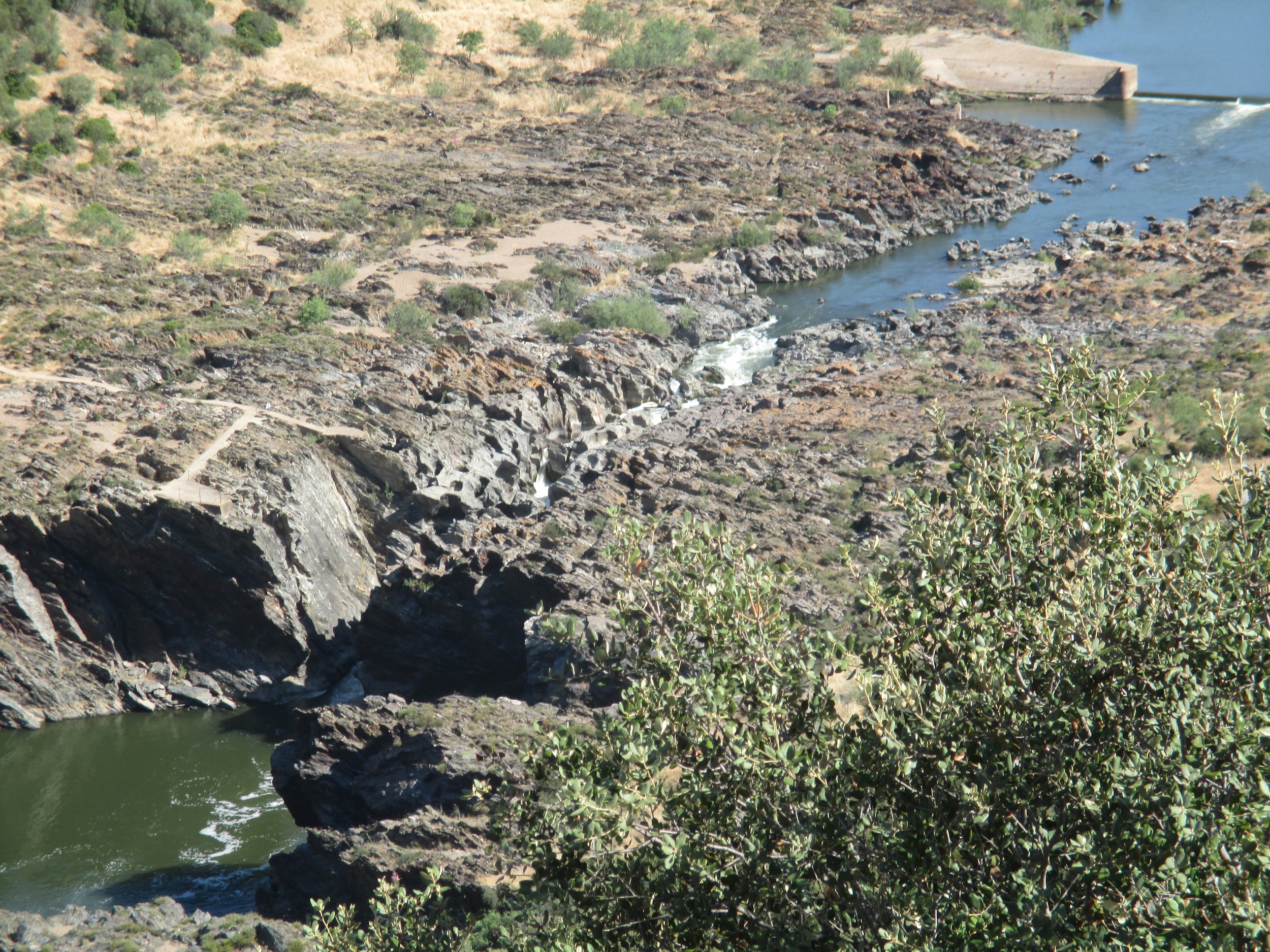
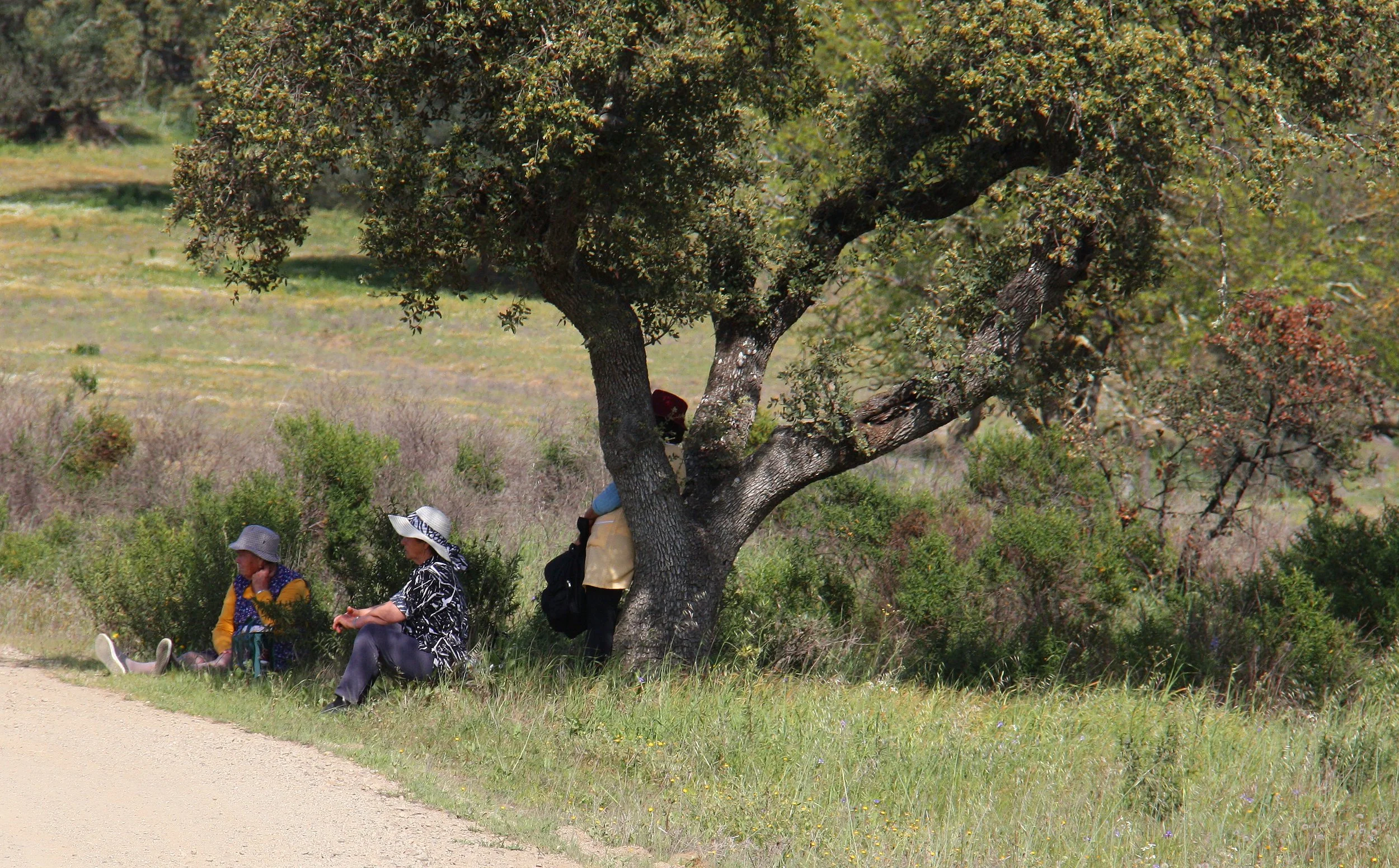
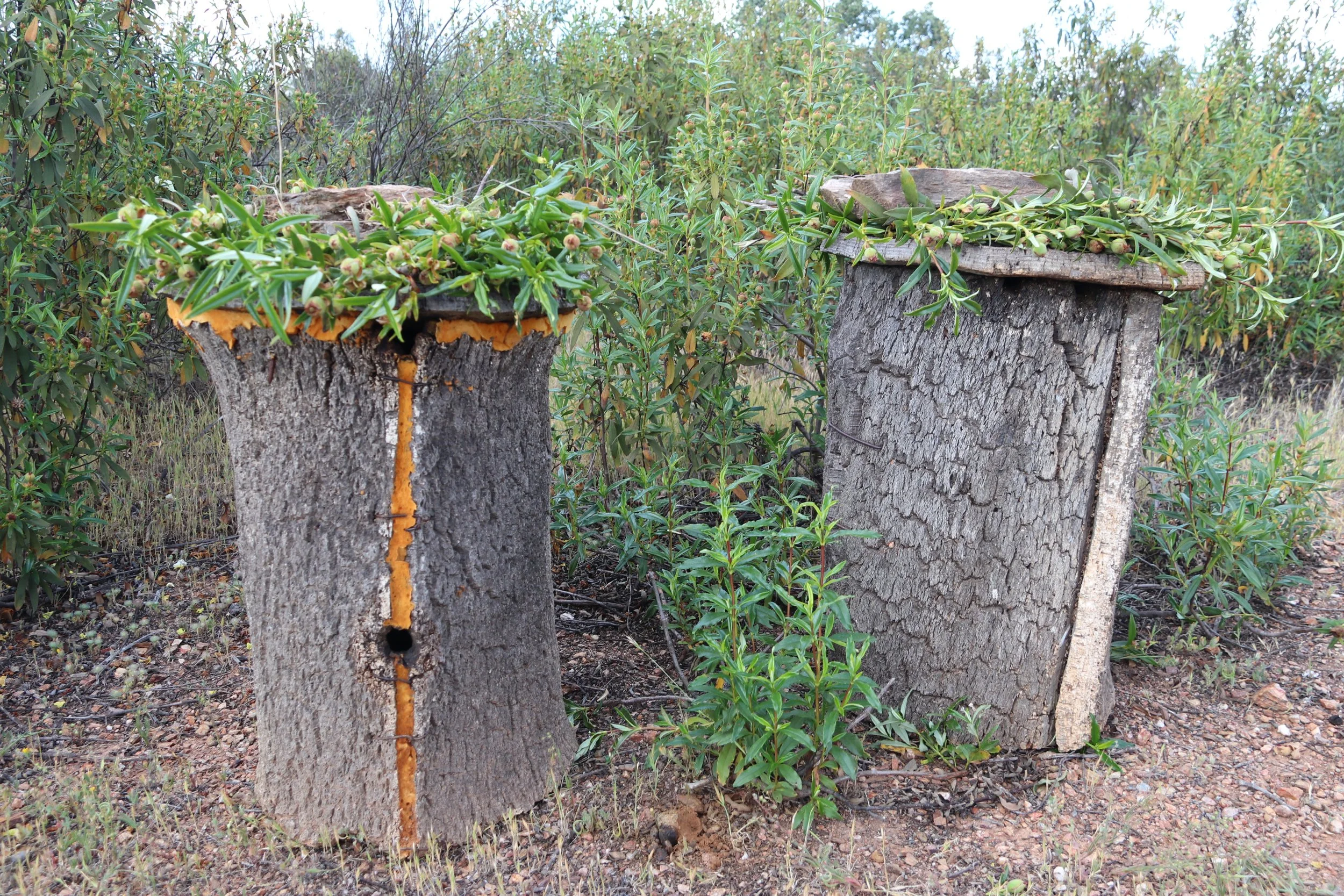
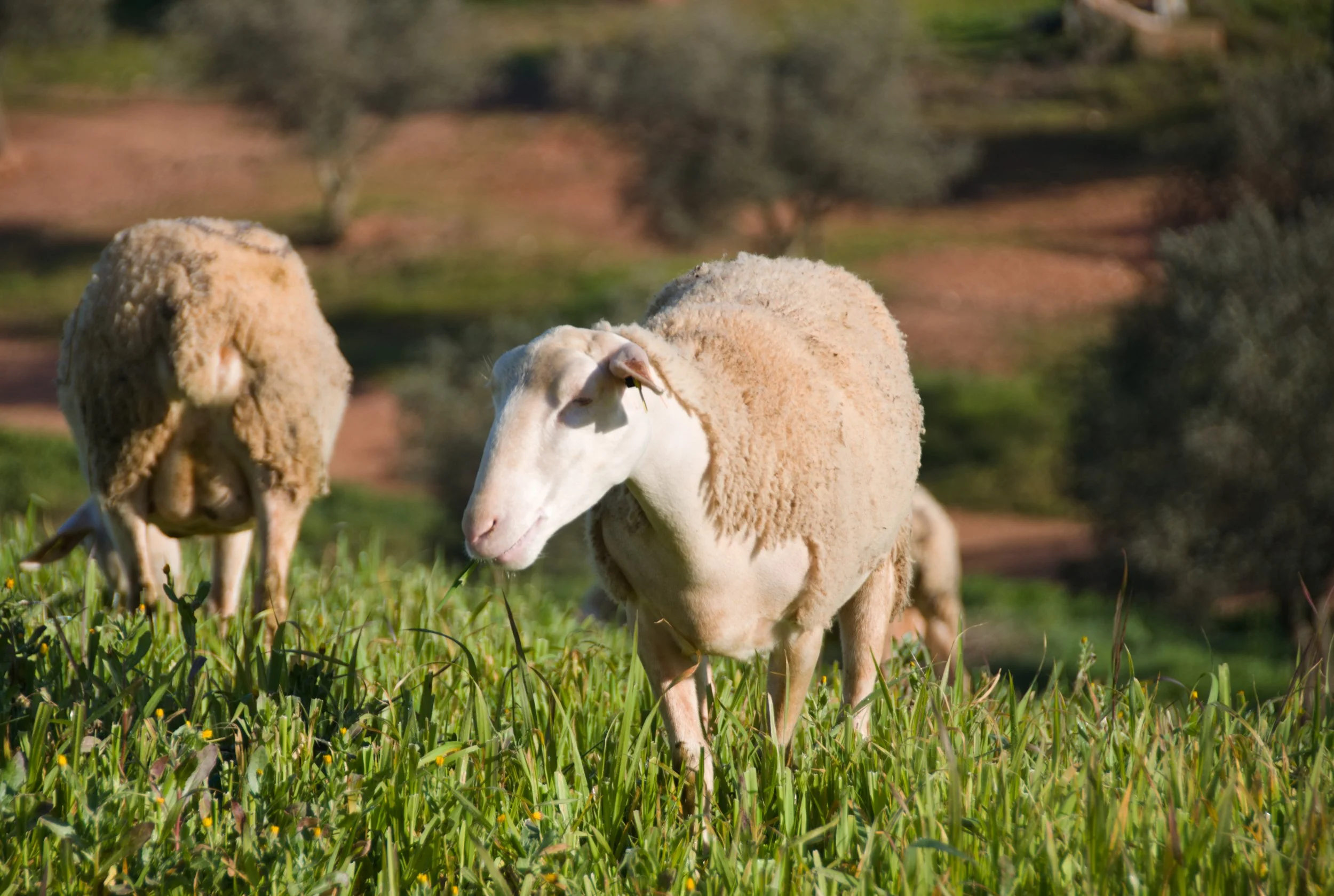
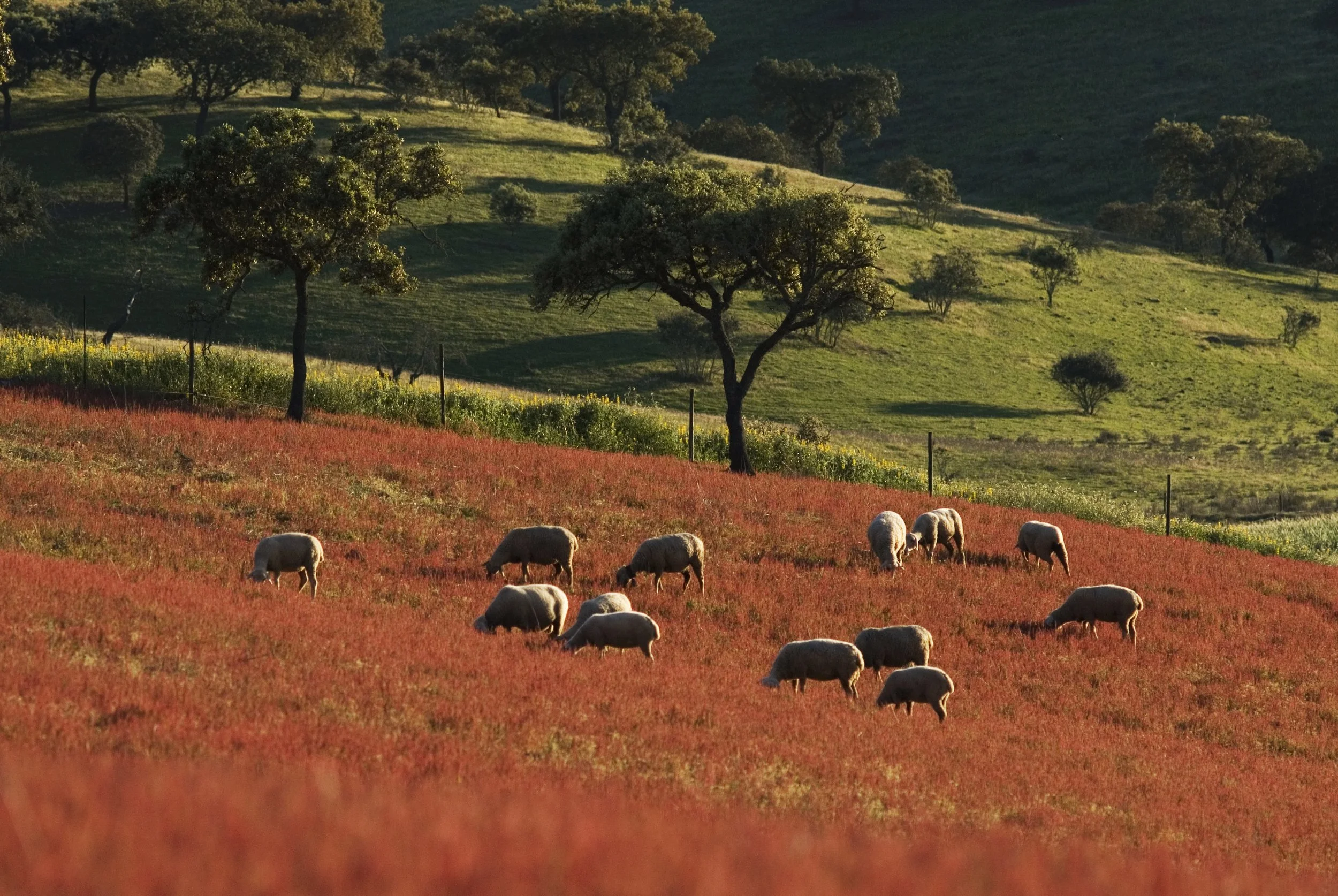
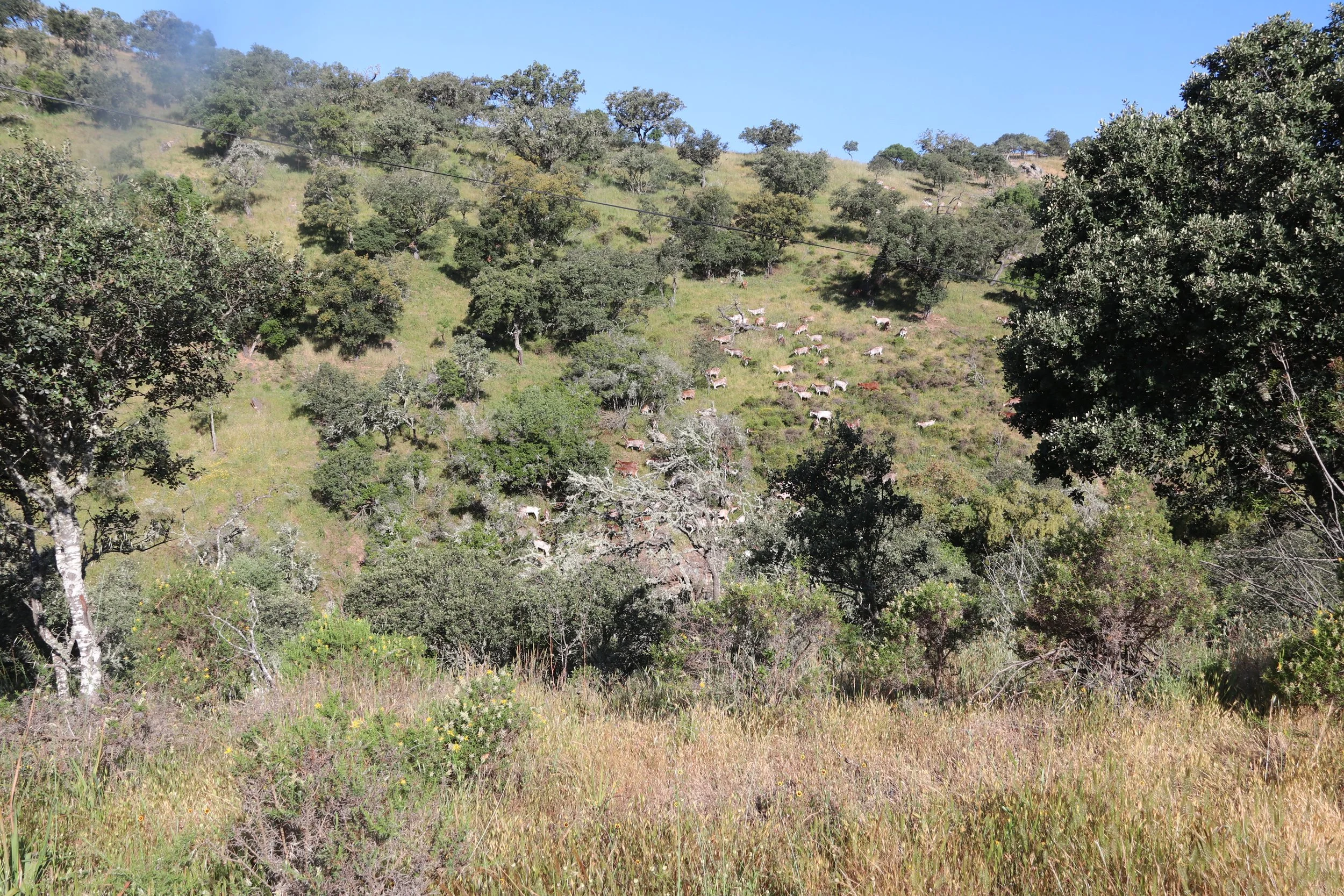
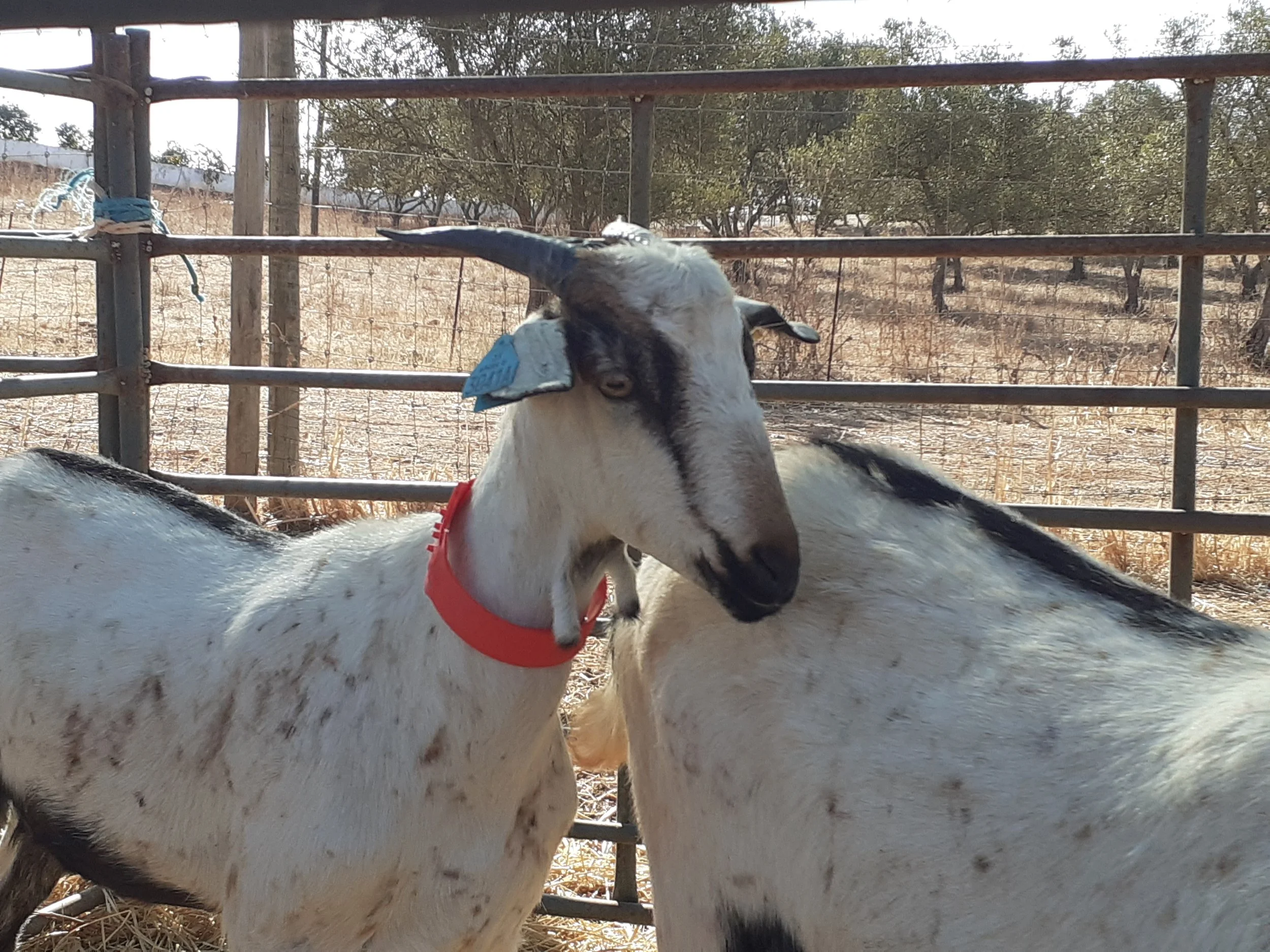
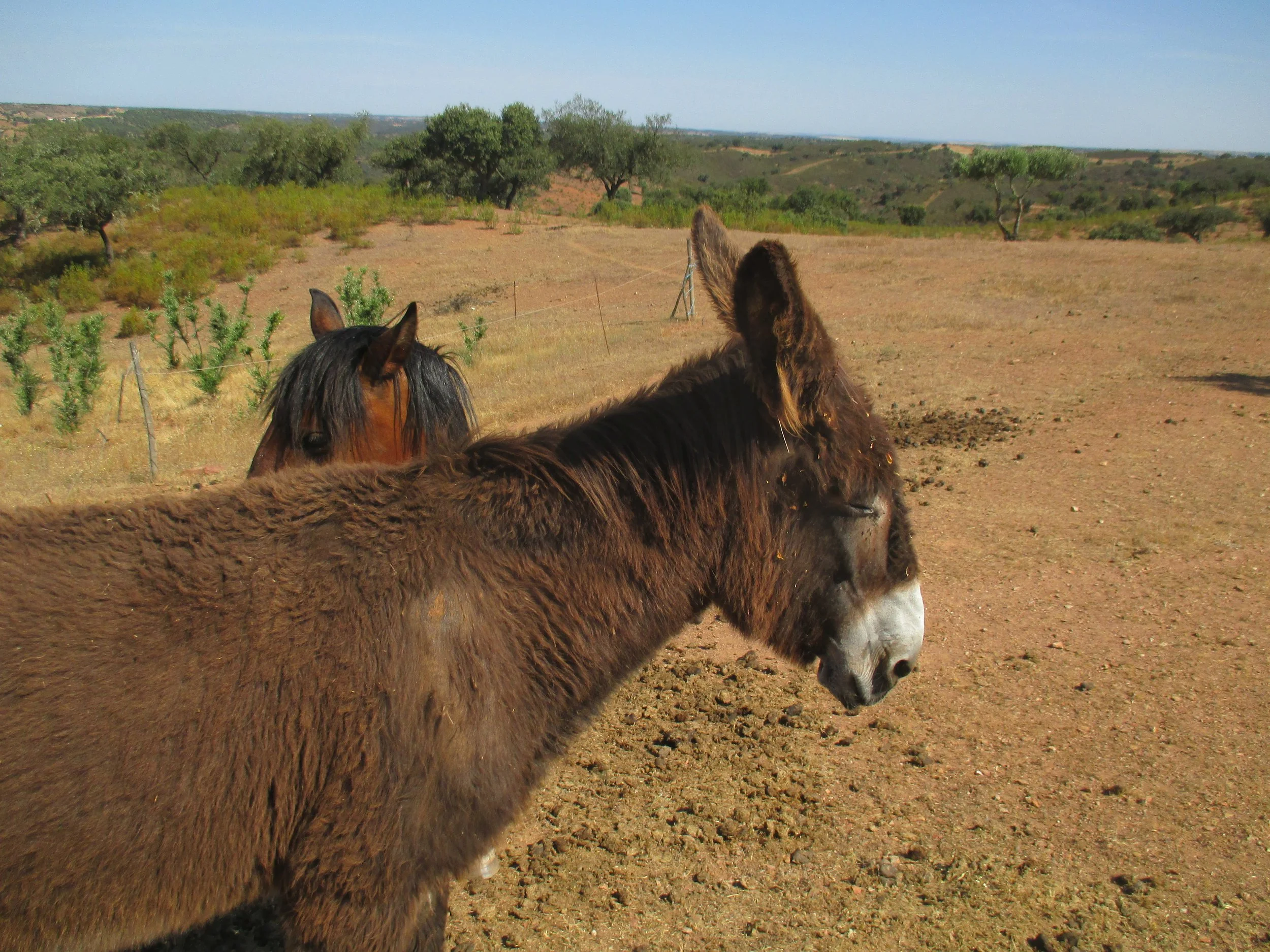
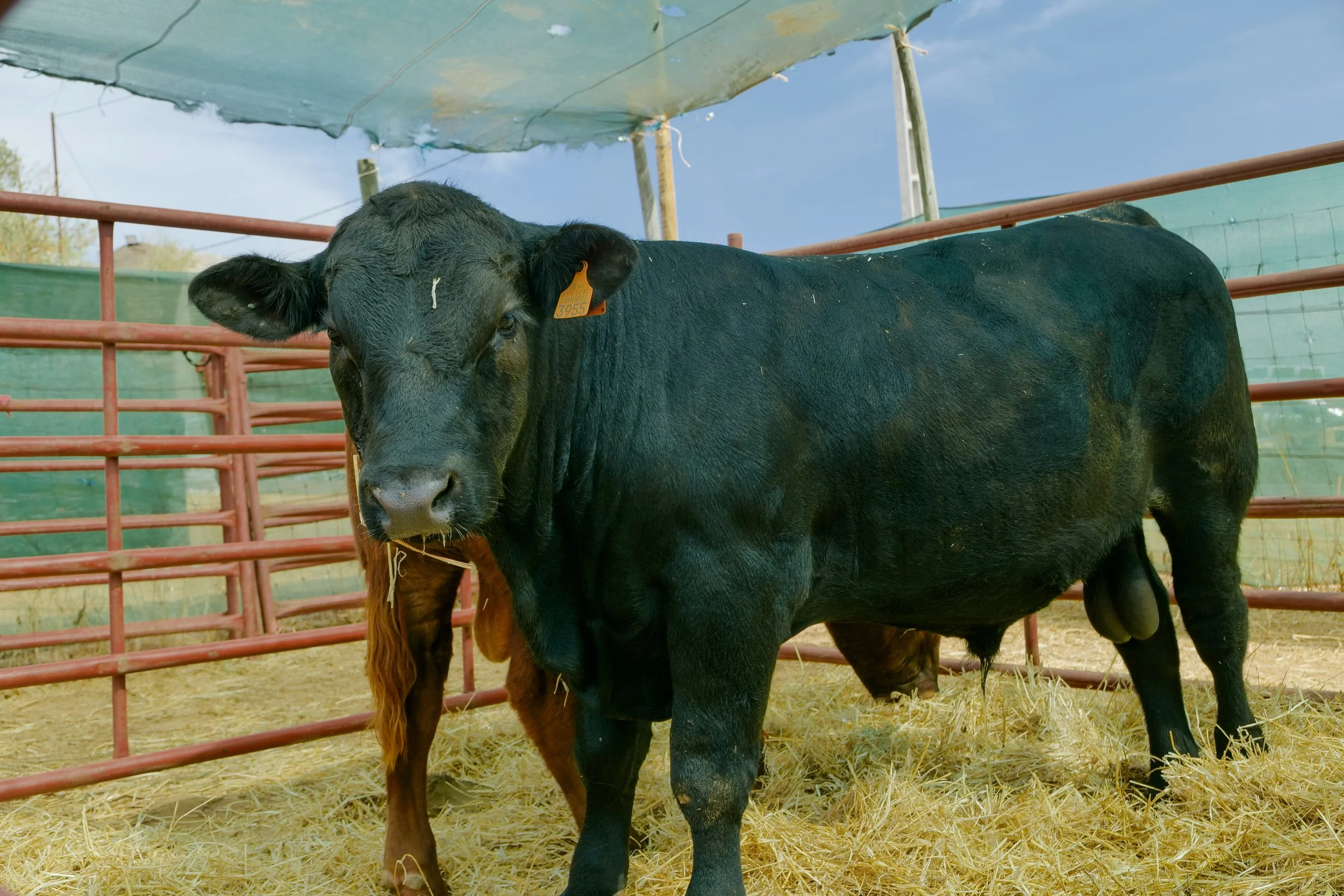
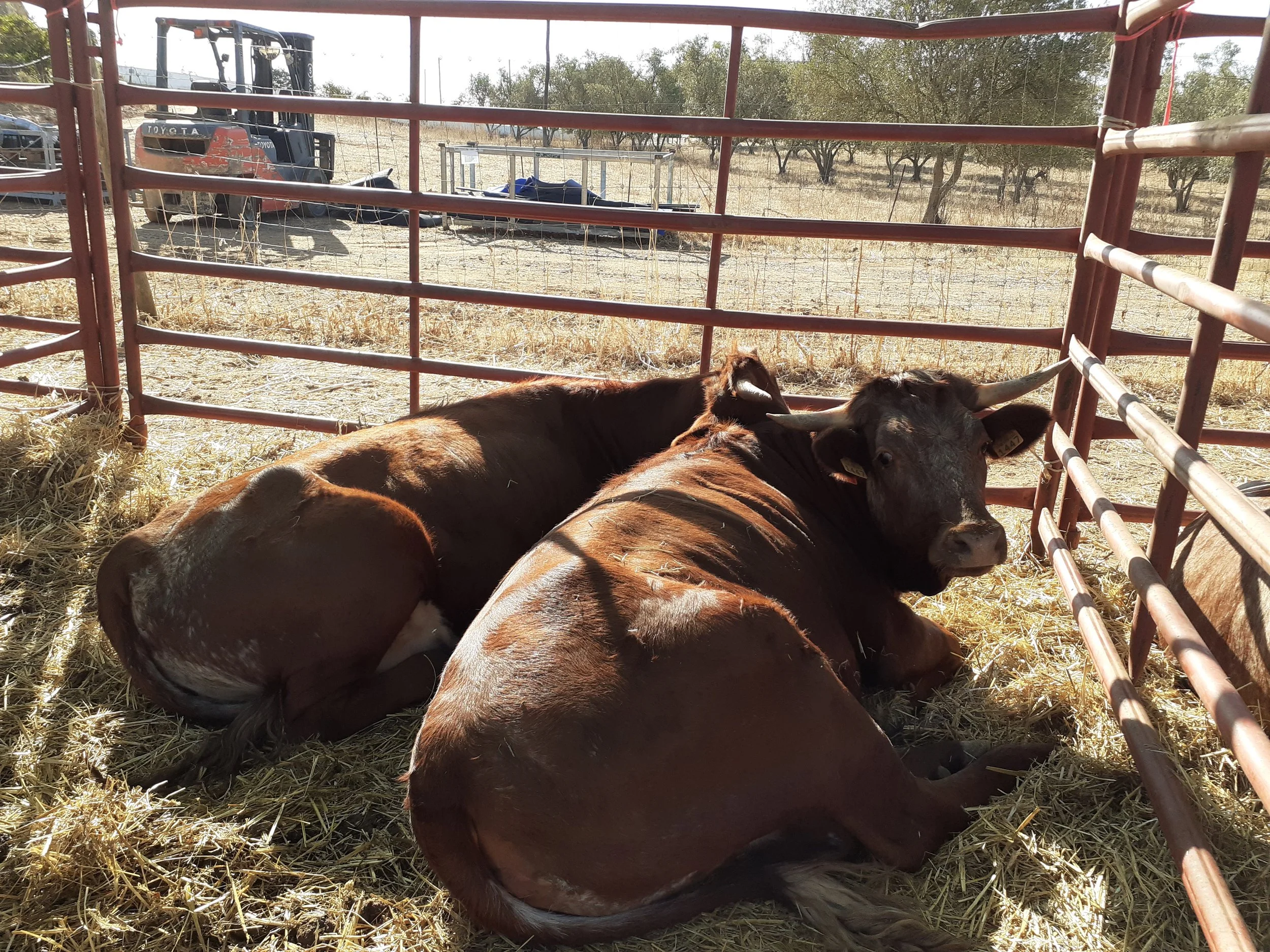
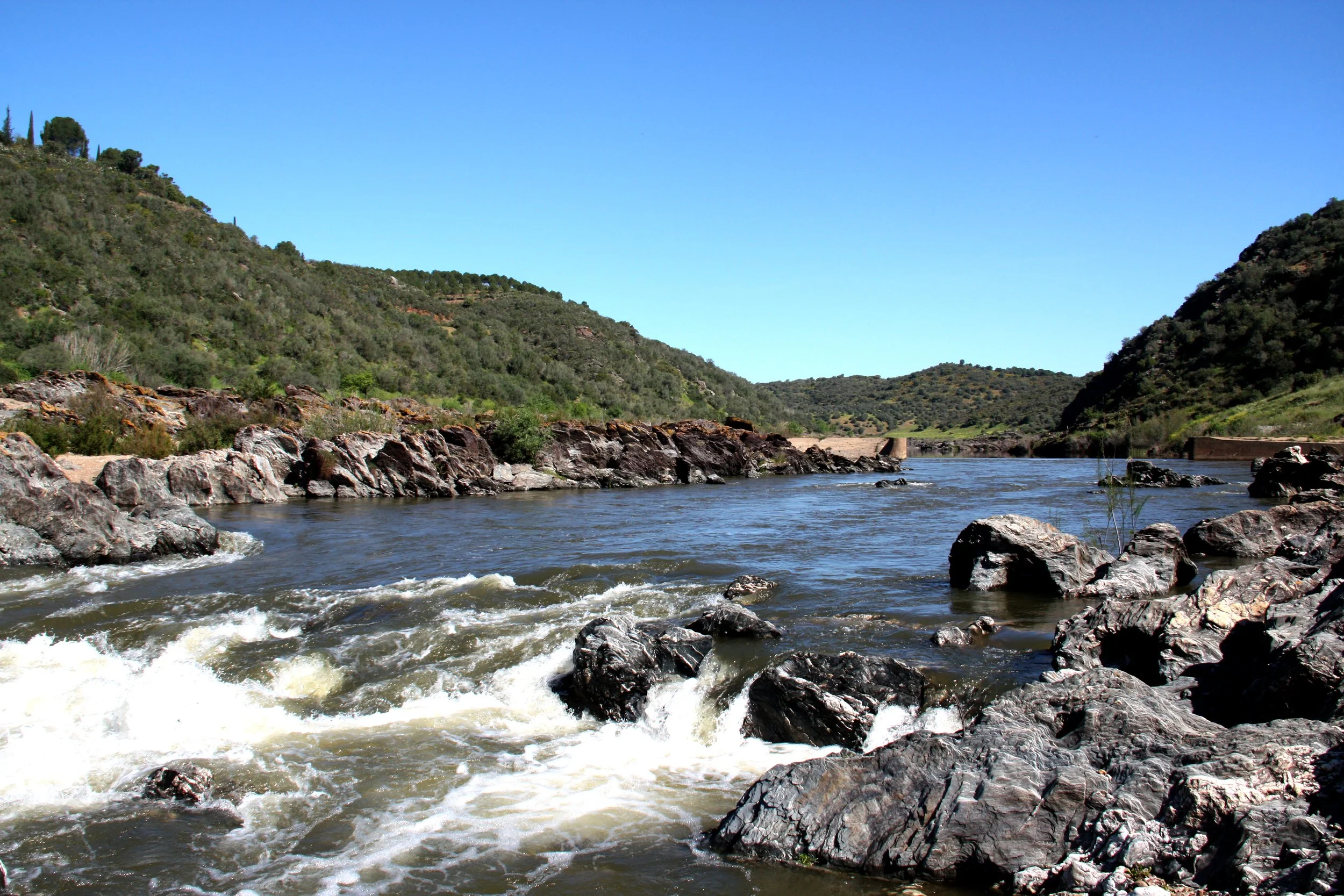
The geographic place of “O Montado da Serra de Serpa” (serpa agro silvopastoral of evergreen oaks) is located in the county of Serpa, Portugal southeast, in Alentejo region, near the border with Spain. This territory has unique characteristics in the frame of traditional Mediterranean agriculture, without artificial water and markedly subsistence.
What are GIAHS?
The GIAHS - Globally Important Agricultural Heritage Systems (GIAHS), sustain and conserve biodiversity and genetic resources for food and agriculture, rural subsistence, knowledge systems, cultures and remarkable landscapes.
The "Important World Agricultural Heritage Systems Program” has the main goal to identify, support and protect agricultural systems that preserve and promote landscapes, biodiversity, knowledge and culture with global interest.
These systems represent the essence of sustainable development. In this sense, the Food and Agriculture Organization (FAO), the entity responsible for the Program, in collaboration with other organizations and local communities, works to implement different lines of action.